1970
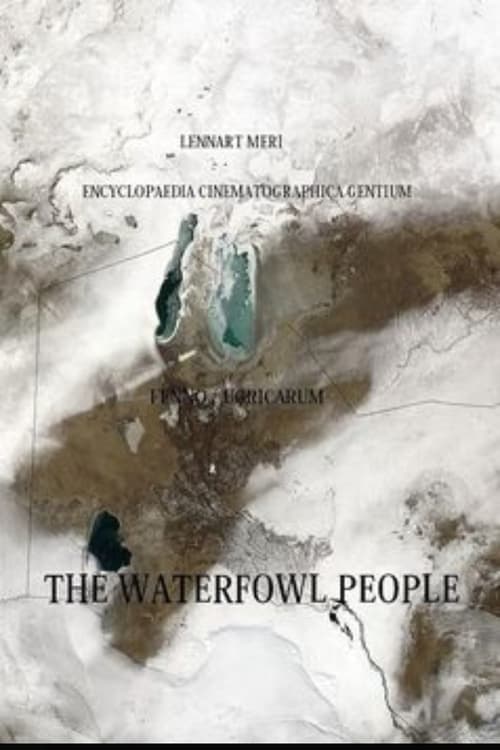
A documentary about the histoy and linguistic ties of the Finno-Ugric, and Samoyedic peoples. Speakers of the Kamassian, Nenets, Khanty, Komi, Mari, and Karelian languages were filmed in their everyday settings in the late 1960s and early 1970s. The footage was shot in Altai Krai, the Nenets Okrug, Khantia-Mansia, Uzbekistan, the Komi Republic, Mari el, Karelia, and Estonia. The first documentary in Lennart Meri's "Encyclopaedia Cinematographica Gentium Fenno - Ugricarum (1970 - 1997)" series.
1978
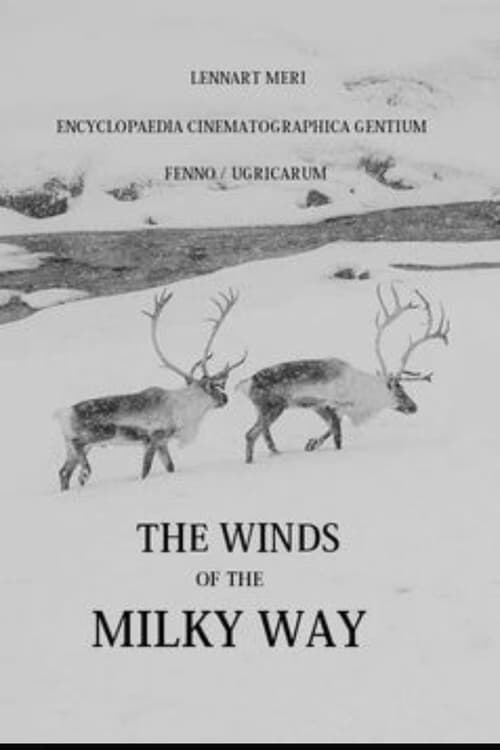
Sequel to the "The Waterfowl People". The author interprets the kinship, linguistic and cultural relationships of the Finno-Ugric peoples. Finns, Vepsians, Votes, Setos, Erzya-Mordvinians, Mansi, Hungarians, Sami, Nganasans, and Estonians appear in the film. The film was shot in 1977 on location in northern Finland, Sapmi, Vepsia, Votia, Mordovia, Khantia-Mansia, Hungary, the Taymyr Peninsula, the Setomaa region in Estonia, and on the Estonian islands of Saaremaa and Muhu. Footage was also shot in 1970 in the Nenets Okrug. The second documentary in Lennart Meri's "Encyclopaedia Cinematographica Gentium Fenno - Ugricarum" series.
1989
In the same vein as Meri's other documentations, this one takes advantage of the glasnost policy to discuss the social and ecologic impact of the Russian oil industry on the natives and the lands they inhabit.
1997
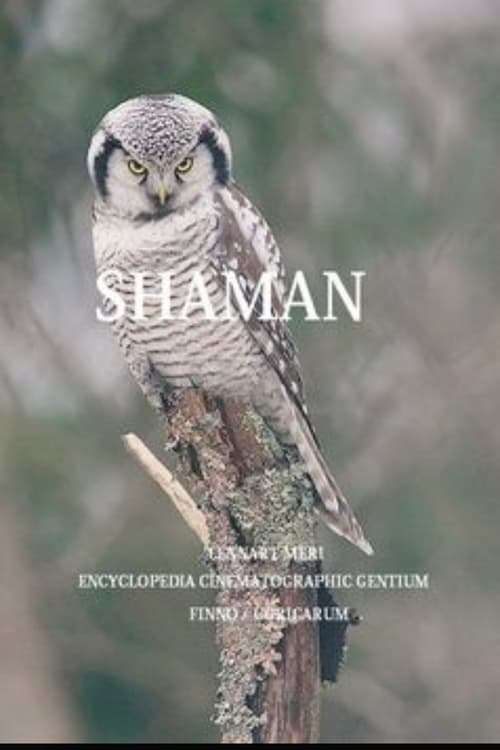
"Shaman" was filmed on July the 16th, 1977 in the northernmost corner of Eurasia, on the Taymyr Peninsula, at the Avam river, concurrently with the shooting of the documentary "The Winds of the Milky Way". The Nganasan Shaman Demnime (1913-1980) was 64 years old at the time. The documentary about Demnime's incarnation ritual was completed 20 years later. The fifth and final documentary in Lennart Meri's "Encyclopaedia Cinematographica Gentium Fenno - Uricarum" series.
2019
In 1935, German scientists dug for bones; in 1943, they murdered to get them. How the German scientific community supported Nazism, distorted history to legitimize a hideous system and was an accomplice to its unspeakable crimes. The story of the Ahnenerbe, a sinister organization created to rewrite the obscure origins of a nation.
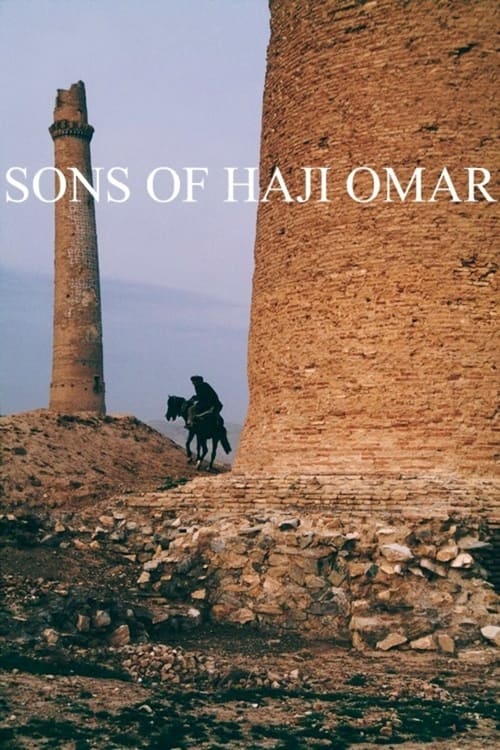
Haji Omar and his three sons belong to the Lakankhel, a Pashtoon tribal group in northeastern Afghanistan. The film focuses on his family: Haji Omar, the patriarch; Anwar, the eldest, his father's favorite, a pastoralist and expert horseman; Jannat Gul, cultivator and ambitious rebel; and Ismail, the youngest, attending school with a view to a job as a government official.
1925
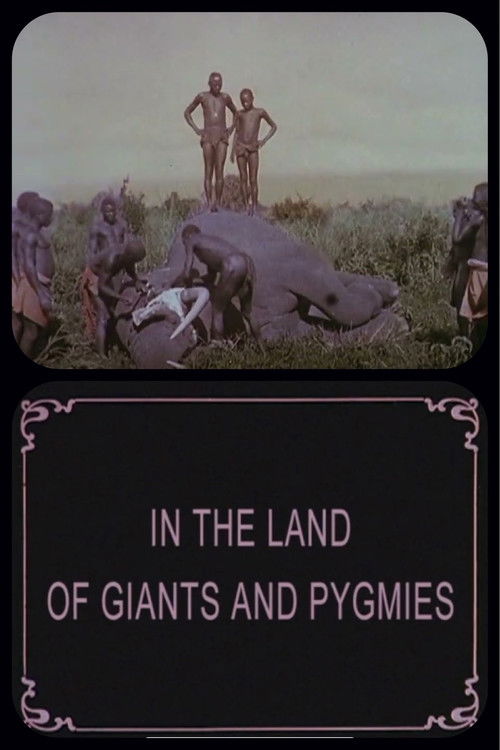
IN THE LAND OF GIANT PYGMIES, a diary of Aurelio Rossi's 1925 trek into the immense Belgian Congo, preserves a long-gone-Colonial-era wonder at natural resources, "primitive" tribes, customs and costumes in Europe's cast African possessions, and implies that the "dark continent" could benefit from the "civilizing" influences of home.
1972
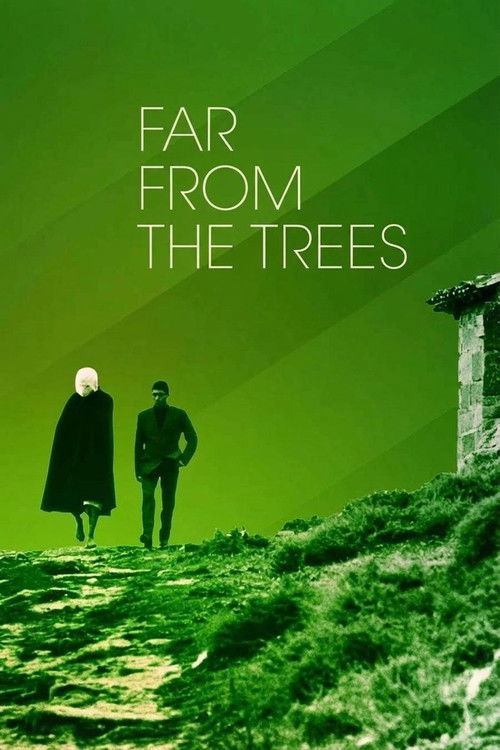
An unprejudiced portrait of Spanish folklore and a crude analysis in black and white of its intimate relationship with atavism and superstition, with violence and pain, with blood and death; a story of terror, a journey to the most sinister and ancestral Spain; the one that lived far from the most visited tourist destinations, from the economic miracle and unstoppable progress, relentlessly promoted by the Franco regime during the sixties.
2001
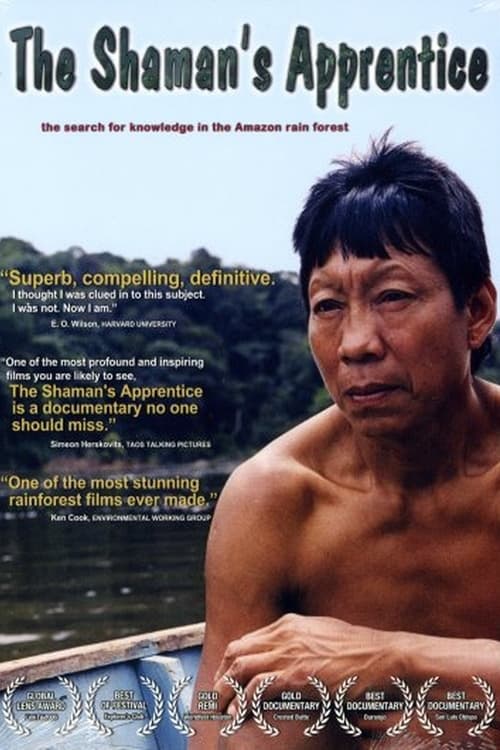
Scientist Mark Plotkin races against time to save the ancient healing knowledge of Indian tribes from extinction.
2006
Inspired by Steven Blush's book "American Hardcore: A tribal history" Paul Rachman's feature documentary debut is a chronicle of the underground hardcore punk years from 1979 to 1986. Interviews and rare live footage from artists such as Black Flag, Bad Brains, Minor Threat, SS Decontrol and the Dead Kennedys.
2018
Huelva, Spain, an isolated region lost in time. The grass, the sand and the sky are the same that those foreigners saw in the spring of 1895, when they crossed the sea from a distant country to mark the unspoiled terrain and extract its wealth, when the tower was new, when people could climb to the top of the highest dune and imagine that the city of Tartessos was still there, in the distance, almost invisible in the morning brume.
2025
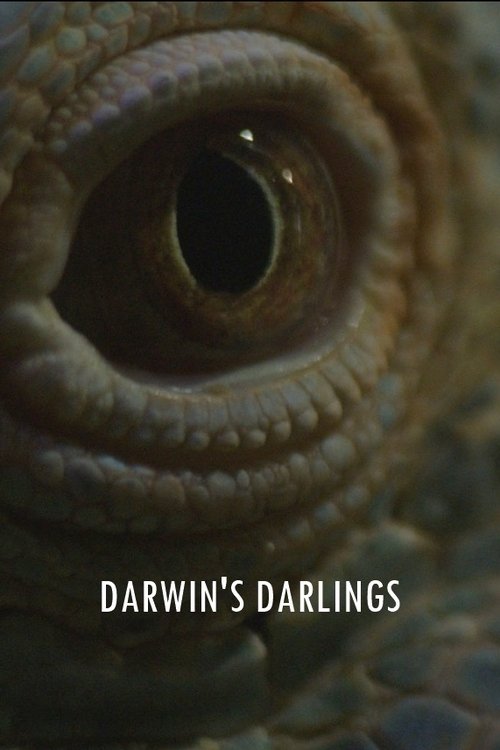
Standing near the reptile section in a zoo we can learn a lot about the animals on both sides of the separating glass.