2007
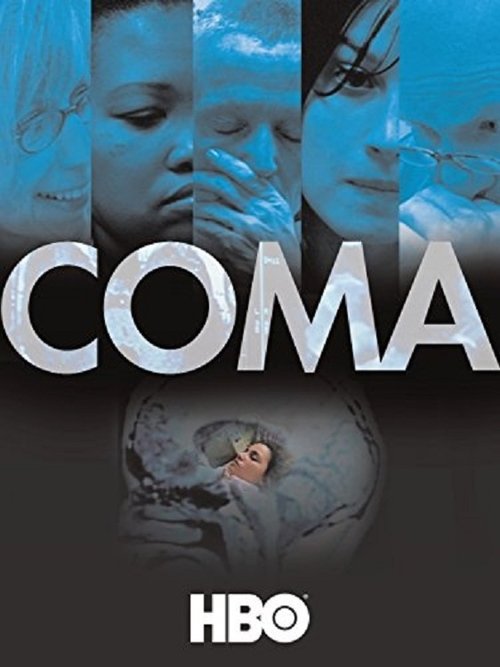
Four young Americans who've each suffered a Traumatic Brain Injury emerge from their comas at a New Jersey medical facility. Their eyes may be open, but now the real challenge for each of the patients, their families, their doctors and their therapists begins. Brain healing isn't predictable, we're told, and certainly is not guaranteed. So with each 'major' step forward that is observed (opening one's eyes, bending a thumb upon command, vocalizing a word, answering a question correctly) comes a sense of jubilant relief and hope from the families of these patients, but as we soon see, the more a patient progresses, the more difficult things can be for all involved. Moments of faith & hope contrast with disappointments & frustrations, moments of confidence with moments of doubt. It's difficult to watch, and unimaginable to have to ever live through.
2008
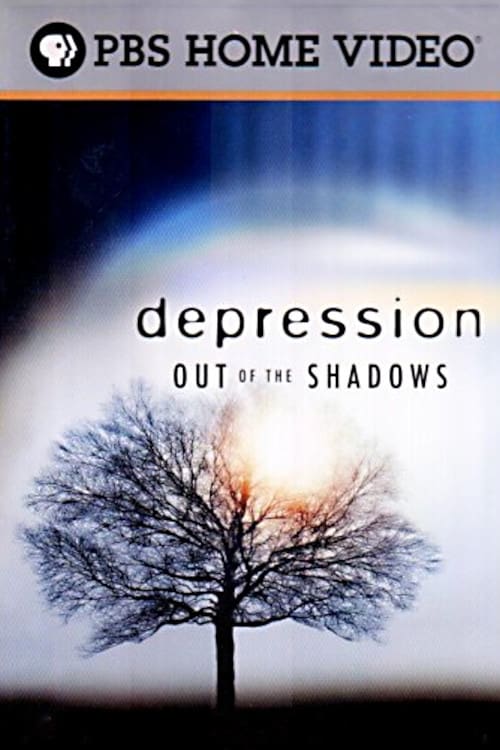
This PBS documentary explores depression, a debilitating disease that affects millions of Americans. Touching the lives of people from diverse backgrounds, depression still carries a stigma that causes some sufferers to go without treatment. Real people with depression talk about their experiences, and scientists offer commentary to shed light on the disease, including its diagnosis, treatment and current research.
1974
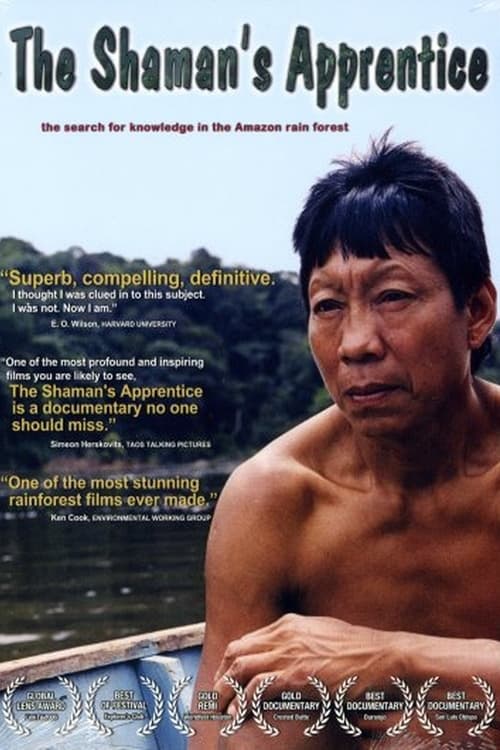
In this "fake documentary", a doctor returns to Brazil after his studies in Paris. Setting out to practice Medicine, he becomes an indigenous messiah and, in time, a cannibal.
2009
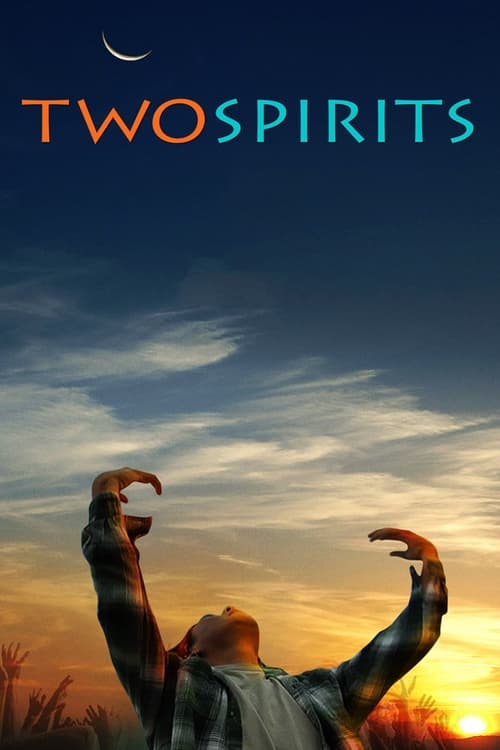
Fred Martinez was a Navajo youth slain at the age of 16 by a man who bragged to his friends that he 'bug-smashed a fag'. But Fred was part of an honored Navajo tradition - the 'nadleeh', or 'two-spirit', who possesses a balance of masculine and feminine traits.
1970
A documentary about the histoy and linguistic ties of the Finno-Ugric, and Samoyedic peoples. Speakers of the Kamassian, Nenets, Khanty, Komi, Mari, and Karelian languages were filmed in their everyday settings in the late 1960s and early 1970s. The footage was shot in Altai Krai, the Nenets Okrug, Khantia-Mansia, Uzbekistan, the Komi Republic, Mari el, Karelia, and Estonia. The first documentary in Lennart Meri's "Encyclopaedia Cinematographica Gentium Fenno - Ugricarum (1970 - 1997)" series.
1989
In the same vein as Meri's other documentations, this one takes advantage of the glasnost policy to discuss the social and ecologic impact of the Russian oil industry on the natives and the lands they inhabit.
1997
"Shaman" was filmed on July the 16th, 1977 in the northernmost corner of Eurasia, on the Taymyr Peninsula, at the Avam river, concurrently with the shooting of the documentary "The Winds of the Milky Way". The Nganasan Shaman Demnime (1913-1980) was 64 years old at the time. The documentary about Demnime's incarnation ritual was completed 20 years later. The fifth and final documentary in Lennart Meri's "Encyclopaedia Cinematographica Gentium Fenno - Uricarum" series.
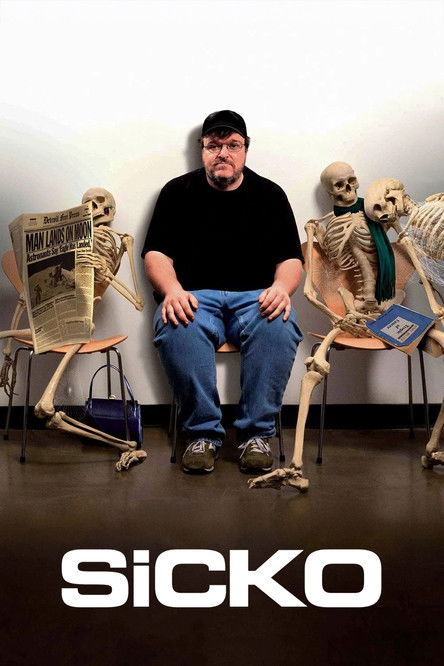
A documentary about the corrupt health care system in The United States whose main goal is to make profit even if it means losing people’s lives. "The more people you deny health insurance, the more money we make" is the business model for health care providers in America.
1978
Sequel to the "The Waterfowl People". The author interprets the kinship, linguistic and cultural relationships of the Finno-Ugric peoples. Finns, Vepsians, Votes, Setos, Erzya-Mordvinians, Mansi, Hungarians, Sami, Nganasans, and Estonians appear in the film. The film was shot in 1977 on location in northern Finland, Sapmi, Vepsia, Votia, Mordovia, Khantia-Mansia, Hungary, the Taymyr Peninsula, the Setomaa region in Estonia, and on the Estonian islands of Saaremaa and Muhu. Footage was also shot in 1970 in the Nenets Okrug. The second documentary in Lennart Meri's "Encyclopaedia Cinematographica Gentium Fenno - Ugricarum" series.
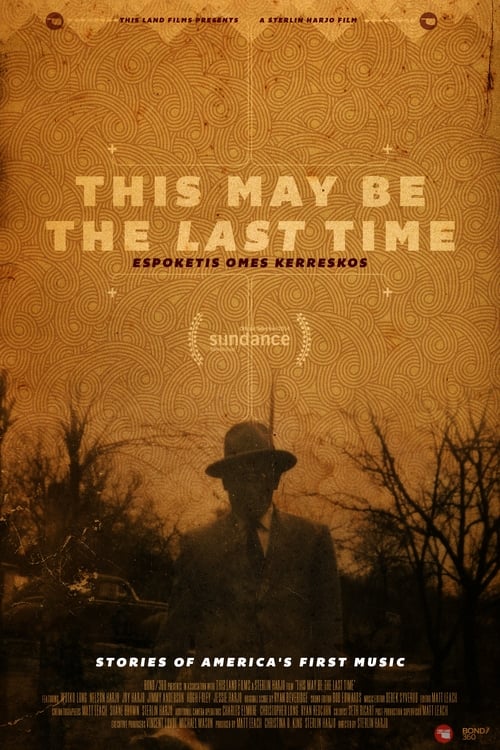
2014
Filmmaker Sterlin Harjo's Grandfather disappeared mysteriously in 1962. The community searching for him sang songs of encouragement that were passed down for generations. Harjo explores the origins of these songs as well as the violent history of his people.
2016
After Coal profiles inspiring individuals who are building a new future in the coalfields of eastern Kentucky and South Wales. Meet ex-miners using theater to rebuild community infrastructure, women transforming a former coal board office into an education hub, and young people striving to stay in their home communities. The stories of coalfield residents who must abandon traditional livelihoods illustrate the front lines of the transition away from fossil fuels.