1998
A vivid six-part portrait of the global entertainment industry.
1978
Movie expert Elwy Yost interviews industry people on both sides of the camera, encouraging them to talk about themselves, the state of their art, and its history. The series features many famous film personalities who, along with producers, directors, designers, screenwriters, and critics, offer candid insights into the making of motion pictures.
2024
Michael Connelly takes viewers on a wild journey into the twisted story of the massacre at Wonderland Avenue on July 1, 1981 – one of Hollywood's most famous murder cases that has fascinated people for more than 40 years.
2017
Five acclaimed contemporary directors tell the story of five legendary Hollywood filmmakers who enlisted in the armed forces to document World War II.
2010
Each installment focuses on a different era of American movie history, from the invention of the first moving pictures to the revolutionary, cutting-edge films of the 1960s.
2023
Host Jimmy Failla investigates Hollywood's atmosphere of cancel culture, along with accusations of blacklists for espousing the wrong opinions on social issues.
1980
A 1980 documentary series exploring the establishment and development of the Hollywood studios and its impact on 1920s culture.
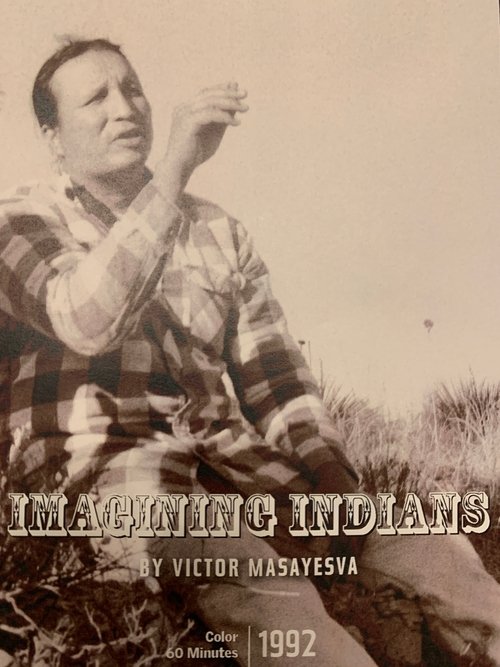
Imagining Indians is a 1992 documentary film produced and directed by Native American filmmaker, Victor Masayesva, Jr.. The documentary attempts to reveal the misrepresentation of Indigenous Native American culture and tradition in Classical Hollywood films by interviews with different Indigenous Native American actors and extras from various tribes throughout the United States. With an all-Indian crew, Victor Masayesva visited tribal communities in Arizona, Montana, New Mexico, South Dakota, Washington and the Amazon to produce this film. Masayesva says, "Coming from a village which became embroiled in the filming of Darkwind, a Hollywood production on the Hopi Reservation, I felt a keen responsibility as a community member, not an individual, to address these impositions on our tribal lives. Even as our communities say no, outsiders are responding to this as a challenge instead of respecting our feelings... I have come to believe that the sacred aspects of our existence which encourages the continuity and vitality of Native peoples are being manipulated by an aesthetic in which money is the most important qualification. This contradicts the values intrinsic to what's sacred and may destroy our substance. I am concerned about a tribal and community future which is reflected in my film and I hope this challenges the viewer to overcome glamorized Hollywood views of the Native American, which obscures the difficult demands of walking the spiritual road of our ancestors."