2019
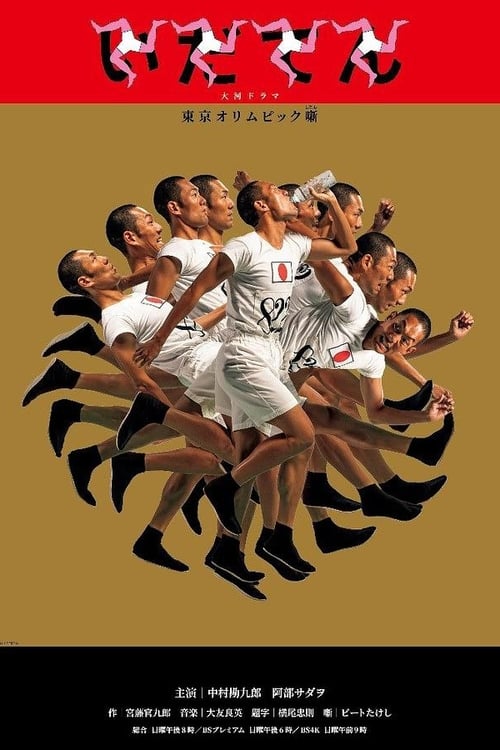
Traces Japan’s history with the Olympic games and the 1964 Tokyo Olympics for viewers before Tokyo hosts the event again in 2020. The first half tells the story of marathon runner Kanakuri Shiso, who became one of the first Japanese nationals to participate in the Olympics in Stockholm in 1912. The second half features Tabata Masaji, the coach who laid the foundations of Japanese swimming and helped bring the games to Tokyo for the first time in 1964.
1965
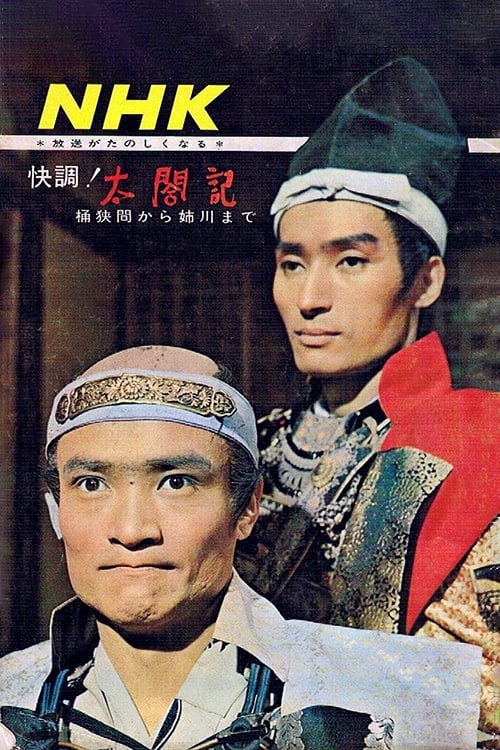
Based on the life of Hideyoshi Toyotomi (February 2, 1537 – September 18, 1598) a Sengoku period daimyo who unified Japan.
1964
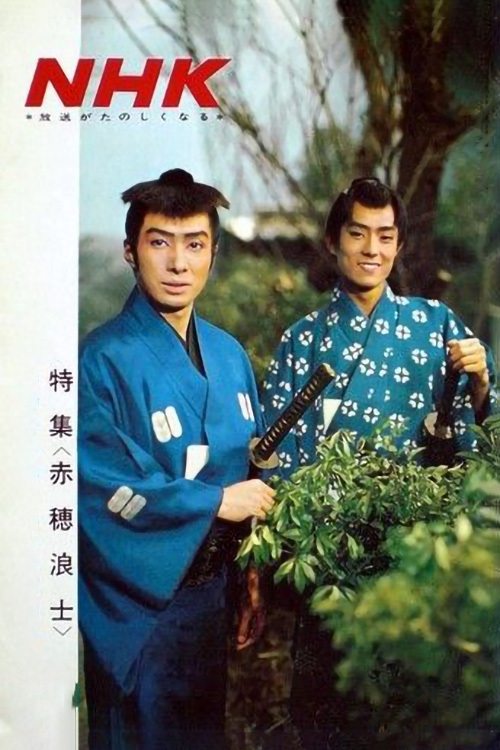
"Ako Roshi" is a group of 47 former retainers of Lord Asano. Lord Asano was forced to commit suicide after attempting to kill Lord Kira. Once the retainers hear about their Lord's death, they sacrifice their lives to regain the honor of their former master.
1963
The story chronicles the life of Ii Naosuke.
1968
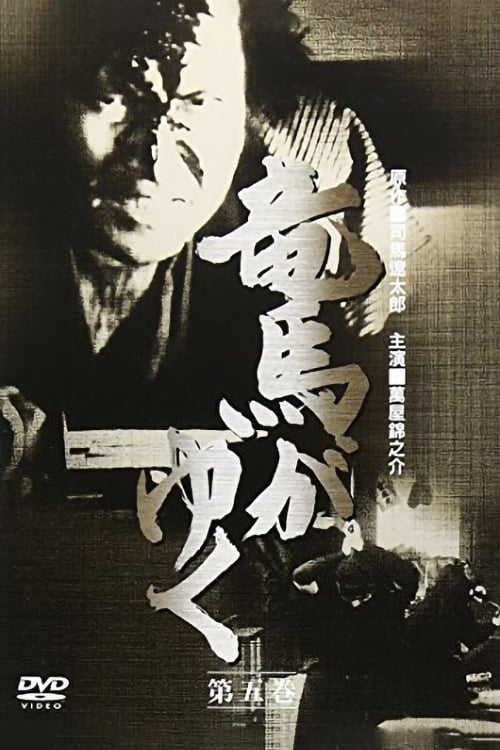
The chronicles of Sakamoto Ryoma, a pre-revolutionary who helped shape the face of modern Japan. In order to study swordsmanship, Ryoma heads for Edo where he meets many people who influence his thinking. He becomes close friends with men like Katsu Kaishu and Saigo Takamori and later establishes a naval training school in Kobe. Ryoma's controversial political views make him a target for shogunate assassins but his fervent belief in a classless society helps forge the Choshu-Satsuma alliance which ultimately brings about the Meiji Restoration.
1977
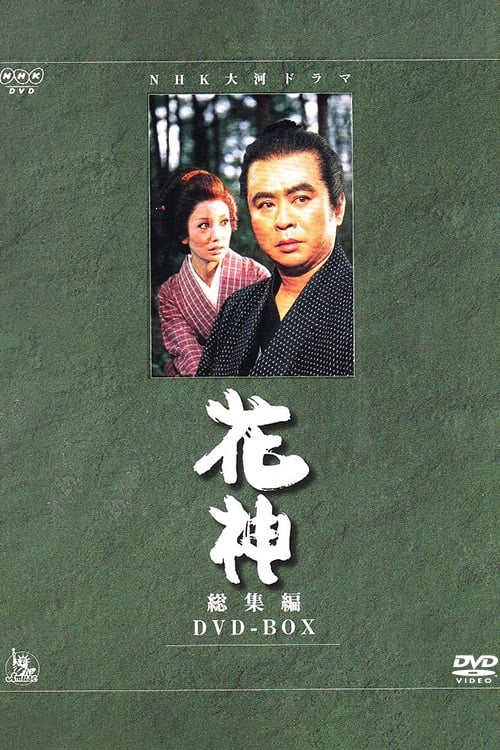
Centered around Masujiro Omura, who became a commander for the Choshu clan, and founded the modern Japanese millitary system.
1973
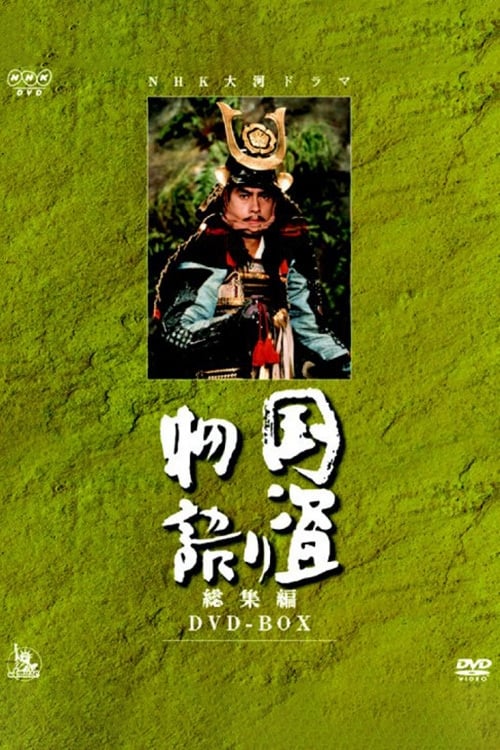
Set in Japan several centuries back. It depicts the struggles of three historical warriors, Dosan Saito, Nobunaga Oda and Mitsuhide Akechi.
1969
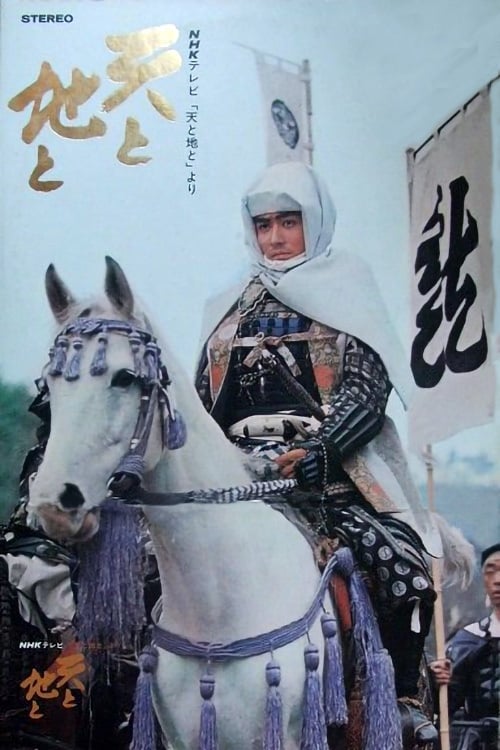
The story chronicles the life of Nagao Kagetora.