2001
Each week, respected team captains Ron Manager and Tommy Stein are joined by host Simon Day and four very special footballing and celebrity guests in a show packed with humour, football and Ron's inimitable wisdom.
1996
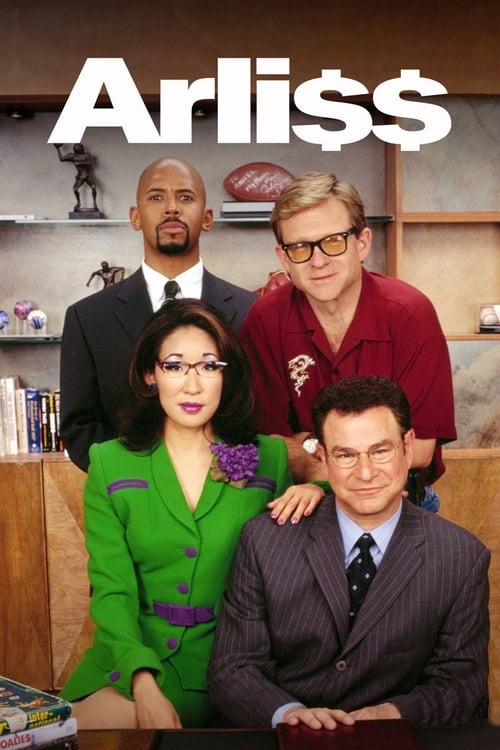
A behind-the-scenes look at the glitzy, big-money world of professional sports following the eternally optimistic and endlessly resourceful L.A. sports agent Arliss Michaels whose Achilles' heel is his inability to say “no” to clients and employees.
2019
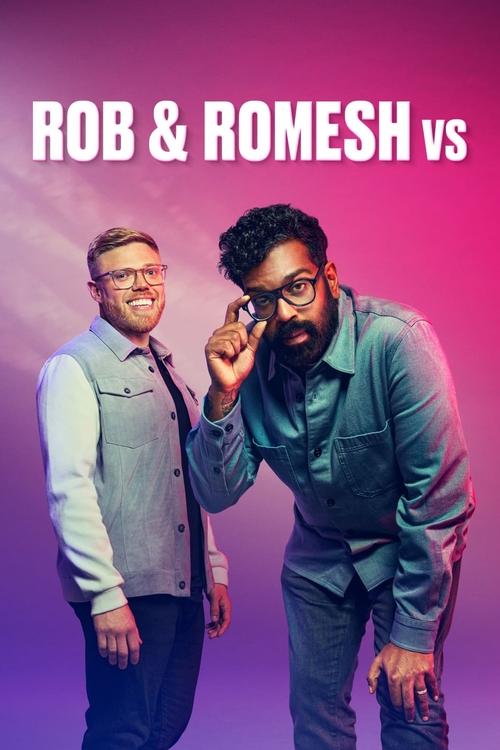
After the success of their 2017 show with heavyweight boxing champion Anthony Joshua, funny men Rob Beckett and Romesh Ranganathan are back to interview more celebrities from the worlds of sport, entertainment, fashion, and more.
2005
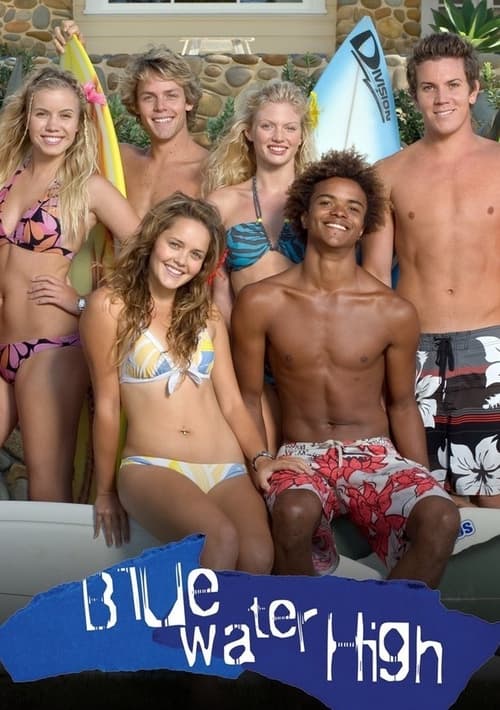
Blue Water High is an Australian television drama series, broadcast by the Australian Broadcasting Corporation on ABC1 and on Austar/Foxtel Nickelodeon channel in Australia and on various channels in many other countries. Each season follows the lives of a young group of students at Solar Blue, a high-performance surf academy where several lucky 16-year-olds are selected for a 12-month-long surfing program on Sydney's northern beaches. There are three series in Blue Water High. The first two series were screened in 2005 and 2006 and the producers did not intend to create a third series. However, due to popular demand by fans, they relented and made one more series with only Kate Bell returning in a main role. Series three ended with the closure of Solar Blue, indicating that the show would most likely not continue.
1995
Soccer AM is a British Saturday-morning football-based comedy/talk show, predominantly based around the Premier League. Originally presented by Jane Hoffen, Gary Stevens and Russ Williams, they lasted just a year before Helen Chamberlain and Tim Lovejoy replaced them, where Lovejoy served for over a decade. He has since been replaced by Andy Goldstein and, more recently, Max Rushden. The show has been aired on Sky Sports 2 each Saturday morning of the football season since 1995 from 7:00am or 9:00am to noon originally and currently between 10:00am and 12:00pm. In early 2009, the 500th episode was broadcast. Although the show is filmed live from 2010 it has been broadcast on a momentary delay due to bad language and/or inappropriate content from certain guests. The show's current sponsor is Procter & Gamble through their Head & Shoulders brand. The show was previously sponsored by Frijj, a brand of milkshake, after Dairy Crest signed a £2 million sponsorship deal. Parts of the show have remained since the beginning, whilst new items have been introduced each season. In that respect, it is almost the same every week, the difference being new football footage and comedy skits. Every week sees a new group of celebrity guests, generally featuring at least one footballer who is free on the Saturday, and a mix of musicians, TV personalities, and other sportsmen.
1992
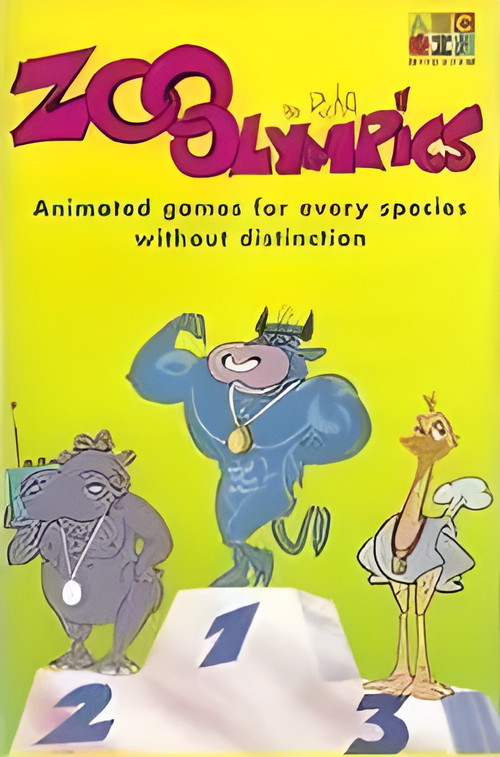
Drawn by French animator Picha, here are 26 episodes of the hilarious animal Olympics antics. These are parodies of Olympic events, based vaguely on behaviours in the animal kingdom, such as egg laying and rolling (chickens), slop slurping (pigs) and kangaroo boxing.
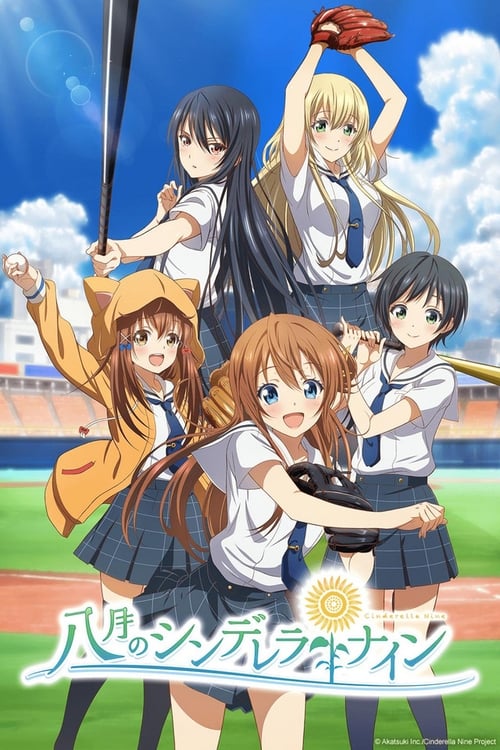
When Arihara Tsubasa enters Rigahama Municipal High School and learns that it has no baseball club, she starts up the Girls' Baseball Club on her own. Drawn to the club are girls who have never played baseball before, girls who once played it but quit, and girls who are constantly tackling great challenges. The Rigahama Girls' Baseball Club races through the trials of youth, periodically clashing and quarreling, but supporting each other all the way! And so begins the hottest summer the world has ever known...
1976
Ball Four is a 1976 American situation comedy that aired on CBS in 1976. The series is inspired by the 1970 book of the same name by Jim Bouton. Bouton co-created the show with humorist and television critic Marvin Kitman and sportswriter Vic Ziegel. Bouton also starred in the series. Ball Four followed the Washington Americans, a fictitious minor league baseball team, dealing with the fallout from a series of Sports Illustrated articles written by Americans player Jim Barton. Like the book, the series covered controversial subjects including womanizing players, drug use, homosexuality in sports and religion. The series included a gay rookie ballplayer, one of the earliest regular gay characters on television. The trio began developing the series in 1975, looking to other series like M*A*S*H and All in the Family as models. CBS expressed interest and the creative team developed a script. CBS shot the pilot episode and ultimately bought the series. Ball Four aired at 8:30 PM Eastern time, which was during the Family Viewing Hour, an FCC-mandated hour of early evening "family-friendly" broadcasting. Consequently the writers had some trouble with the network's Standards and Practices in their attempt to portray realistic locker room scenes, especially the language used by the players. Pseudo-profanity such as "bullpimp" was disallowed, while "horse-crock" and "bullhorse" were approved.