1978
An iconic Ukrainian play of the same name meets TV.
1948
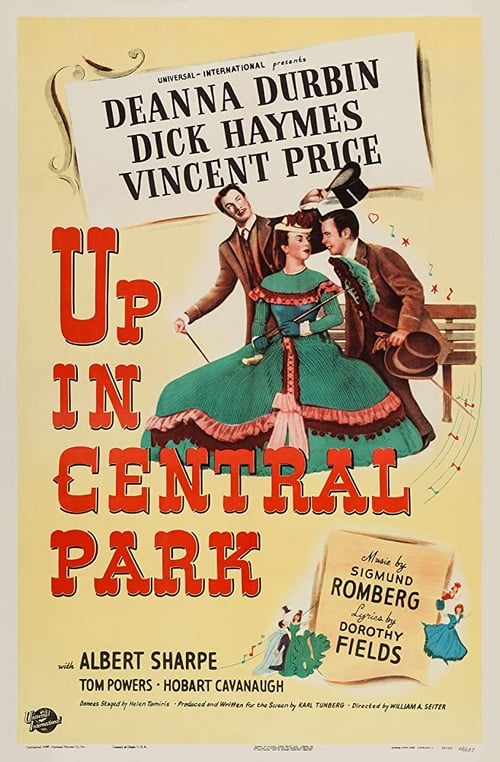
A newspaper reporter and the daughter of an immigrant maintenance man help expose political corruption in New York City.
1936
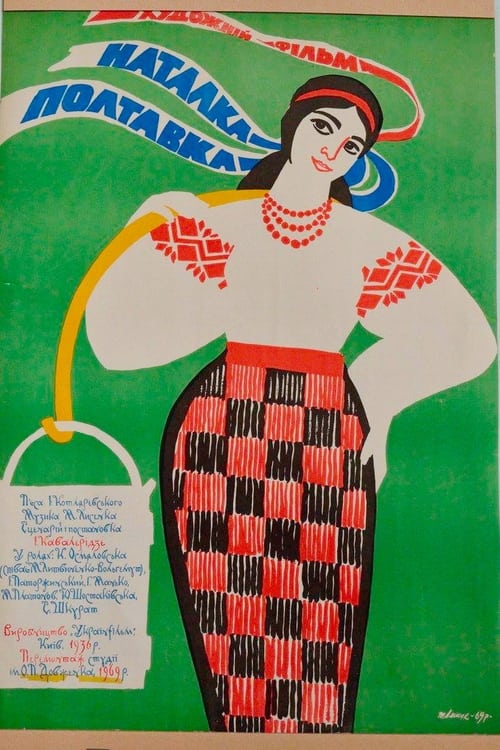
The trials and tribulations of Natalka and Petro. The sweethearts plan to get married, however, Natalka's father does not approve of the marriage because Petro's not affluent enough to keep Natalka in the manner he thought that she should be kept. Petro goes off to earn the required fortune. With no news from Petro for five years, Natalka succumbs to her mother's wishes and finally accepts her next offer of marriage, which happens to come from an old, but relatively wealthy government official.
2001
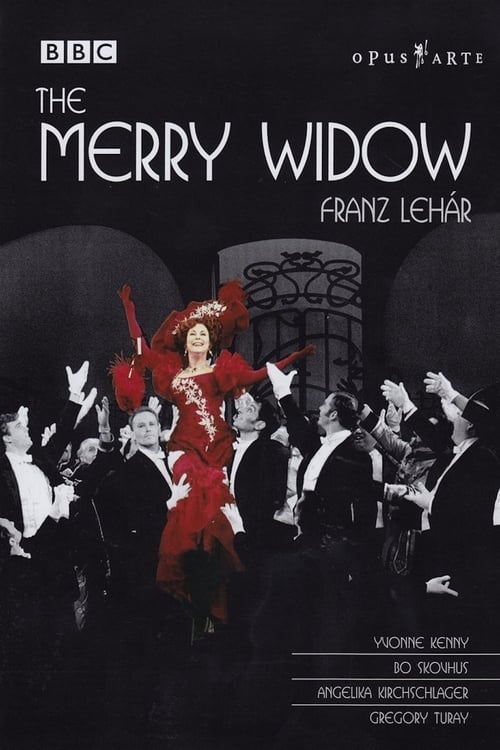
Lotfi Mansouri's spectacular last production as General Director of The San Francisco Opera with Yvonne Kenny making her debut in the title role, new dialogue specially commissioned from Pulitzer Prize-winning playwright, Wendy Wasserstein and an original ballet to set the scene ‘Chez Maxime’ bringing fresh insight into Lehár's classic operetta. This production also features another world premiere, Njegus's song, ‘Quite Parisian’.
1953
1929
French General Birabeau has been sent to Morocco to root out and destroy the Riffs, a band of Arab rebels, who threaten the safety of the French outpost in the Moroccan desert. Their dashing, daredevil leader is the mysterious "Red Shadow". Margot Bonvalet, a lovely, sassy French girl, is soon to be married at the fort to Birabeau's right-hand man, Captain Fontaine. Birabeau's son Pierre, in reality the Red Shadow, loves Margot, but pretends to be a milksop to preserve his secret identity. Margot tells Pierre that she secretly yearns to be swept into the arms of some bold, dashing sheik, perhaps even the Red Shadow himself. Pierre, as the Red Shadow, kidnaps Margot and declares his love for her.
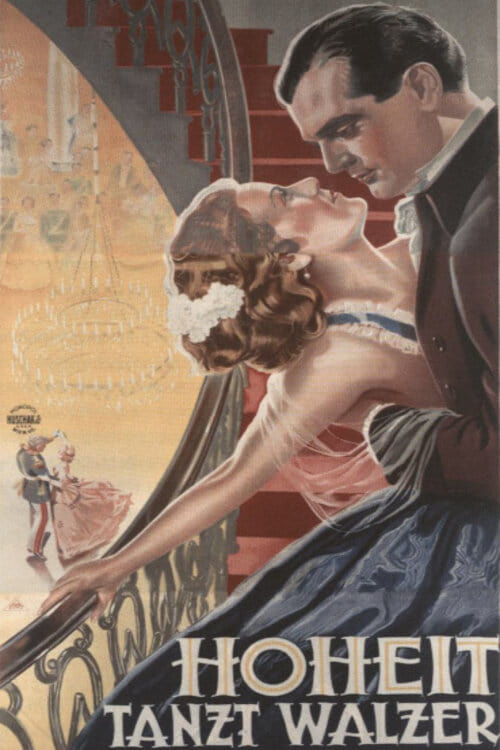
1935
The young musician and composer Josef lives with Beethoven's music copyist in Grinzing. In the evenings, he plays for dances in the Prater, often his own melodies, although he doesn't make much effort to spread them, as they're almost all waltzes, a dance not well-regarded in high society because they're too sweaty. When one evening a lively princess—fresh from the convent—mingles incognito with the Prater crowd and falls in love with the dashing conductor Josef, an entire cultural system of values begins to crumble.
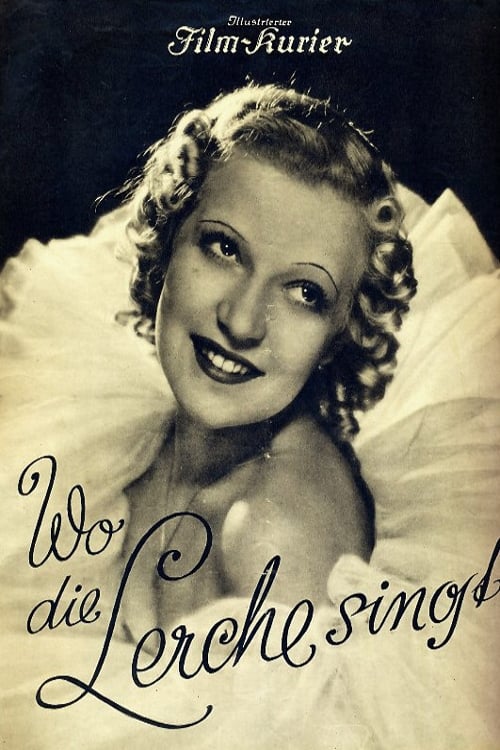
Country girl Margit sits for the artist Sándor, from Budapest. She is fascinated and charmed by him, and agrees to accompany him to the capital, so he can complete the painting there. Disillusionment sets in, however, when Sándor wins a prize with the finished portrait and loses interest in her. Margit recognizes that her true happiness lies at home, with Pista, her faithful lover.