2019
Both a visit to a very peculiar exhibition at the Bundeswehr Military History Museum in Dresden, Germany, as well as an unprejudiced look at the artistic depiction of violence throughout history and the ways in which that depiction has been gendered.
2010
Arguing that advertising not only sells things, but also ideas about the world, media scholar Sut Jhally offers a blistering analysis of commercial culture's inability to let go of reactionary gender representations. Jhally's starting point is the breakthrough work of the late sociologist Erving Goffman, whose 1959 book The Presentation of the Self in Everyday Life prefigured the growing field of performance studies. Jhally applies Goffman's analysis of the body in print advertising to hundreds of print ads today, uncovering an astonishing pattern of regressive and destructive gender codes. By looking beyond advertising as a medium that simply sells products, and beyond analyses of gender that tend to focus on either biology or objectification, The Codes of Gender offers important insights into the social construction of masculinity and femininity, the relationship between gender and power, and the everyday performance of cultural norms.
2025
2018
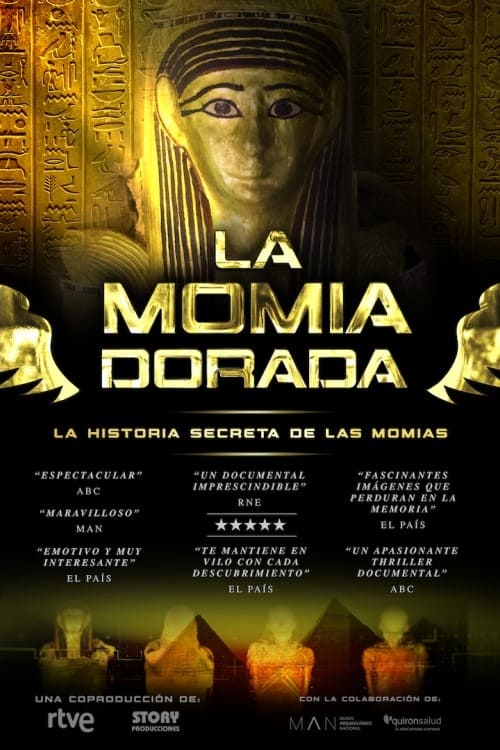
In 2016, four mummies of the National Archaeological Museum of Madrid left their showcases headed to a well-known hospital in the capital of Spain. The objective: to study them with the most advanced radiological technology in the world. However, no one could imagine that, under the bandages of the so-called Golden Mummy, there would be a secret with more than two thousand years old. A hieroglyphic enigma that hid the identity of one of the best preserved Egyptian mummies in the world.
2023
2024
Fascinating new translations and fresh research are transforming the myth of Atlantis from the realm of fantasy into an incredible reality. Travel across continents and centuries to unlock the secrets of Plato's final legacy - a true story of Ancient Greece, Africa, and climate change across deep time.
2013
In this special follow-up programme, the only television team with access to the dig and the scientific tests on the skeleton uses unseen footage and conducts two days of additional interviews to tell this extraordinary forensic detective story in even greater scientific and archaeological detail.