1997
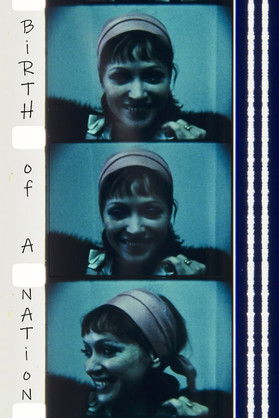
Jonas Mekas assembles 160 portraits, appearances, and fleeting sketches of underground and independent filmmakers captured between 1955 and 1996. Fast-paced and archival in spirit, the film celebrates the avant-garde as its own “nation of cinema,” a vital community existing outside the dominance of commercial film.
2023
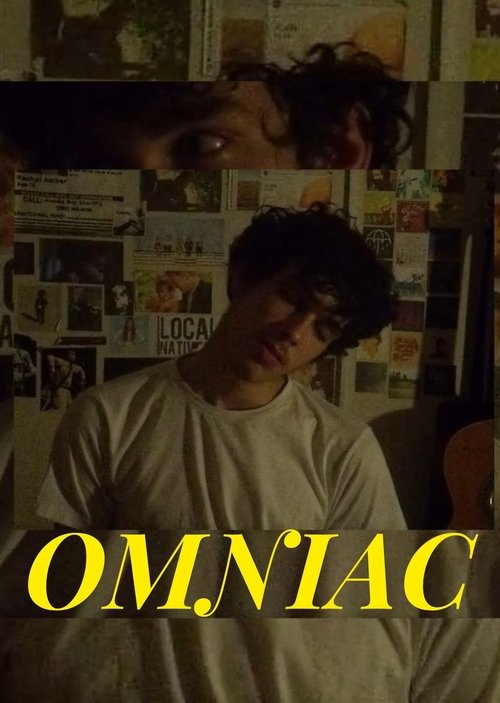
If there is one person Matthew Lancit can’t get out of his mind, it is his uncle Harvey. Dark rings around his eyes, pale, blind, his legs amputated. Like Harvey, the filmmaker also suffers from diabetes. He has the disease under control, but one question is always nagging at him: How much longer? His long-term (self-)observation reliably revolves around fears of infirmity and mutilation. He translates the feared body horror into film, stages himself as a zombie, vampire, a desolate figure. Lancit playfully anticipates his potential decline, serving up a whole arsenal of effects which – as video recordings prove – go back to his youth. It is not for nothing that the “dead” in the title is also reminiscent of “dad.” Because “Play Dead!” also negotiates his own role as a father.
2025
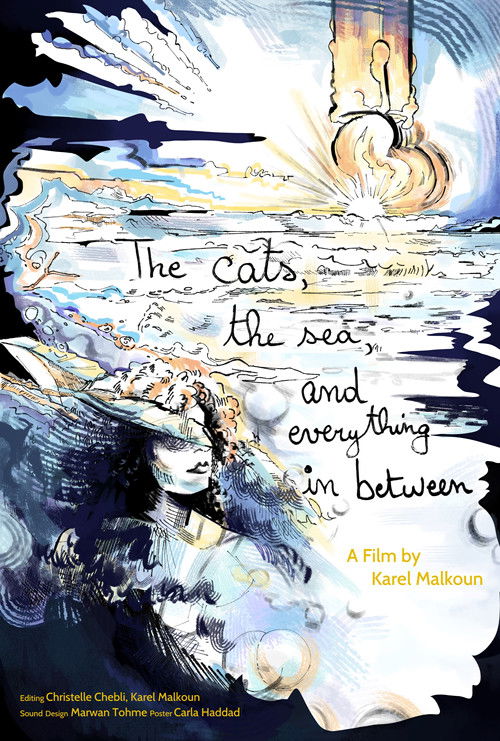
In 2022, when the economic crisis in her native country was at its peak, she decided to visit her family there. She turned her short trip into a collage-like diary in which she reflects on her relationship with her homeland, which is in a state of protracted decay. The film is composed of spontaneous snapshots capturing the author's stay, interspersed with inserted captions serving as personal, often poetically formulated comments and observations. As a result, the film does not hide its strongly subjective perspective, but at the same time builds on it to make an important statement that shows the transformation of Lebanese society in everyday details such as the appearance of the city itself or in the intimate sphere of the author's family life.
2001
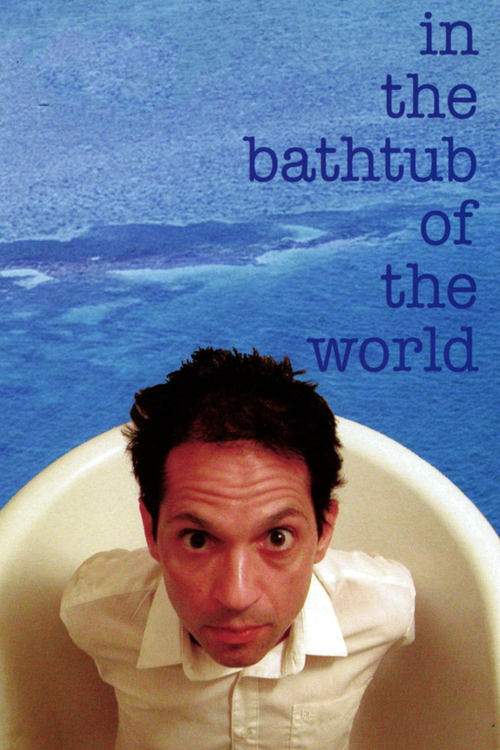
On January 1st, 1999, Caveh Zahedi started a one-year video diary. The idea was to shoot one minute each day. This is the result.
1968
Also known as Walden, Jonas Mekas’s first diary film is a six-reel chronicle of his life in 1960s New York, interweaving moments with family, friends, lovers, and artistic idols. Blending everyday encounters with portraits of the avant-garde art scene, it forms an epic, personal meditation on community, creativity, and the passage of time.
2000
A compilation of over 30 years of private home movie footage shot by Lithuanian-American avant-garde director Jonas Mekas, assembled by Mekas "purely by chance", without concern for chronological order.
1976
Drawn from footage shot between 1949 and 1963, Jonas Mekas’s autobiographical diary film chronicles his early years in exile, capturing the struggle to build a new life in New York and his gradual discovery of a vibrant artistic community.