1968
'Ama Lur' is a documentary, directed by Nestor Basterretxea and Fernando Larruquert, that premiered in San Sebastián in 1968, and it is considered the foundation of Basque cinema.
1983
A documentary view of the Basque ball-game in which a small hard leather ball is hit against a wall. The film gives an impression of the game itself and of those who play it, not only the star performers (and the myths that surround them), but also those who just play in the streets and alleyways. The film sees the game it its cultural context and conveys the emotions and stories that are peculiar to the Basque country.
The troubles of learning Basque in adults.
1979
A memory to the victims and a tribute to the survivors of one of the most tragic episodes of the Spanish Civil War: the bombings suffered by the population of Gernika.
2025
The discovery of a series of unreleased tapes leads Juan Carlos Pérez, leader of the iconic group Itoiz, to reflect on the dissolution of the band at its peak, after a clear change of style towards pop that he still denies today. Juan Carlos will thus begin a cathartic journey to the essence of the group, reliving the beginnings of the band as a progressive rock group in Mutriku in the 70's, which will serve him to reconcile with the past.
2024
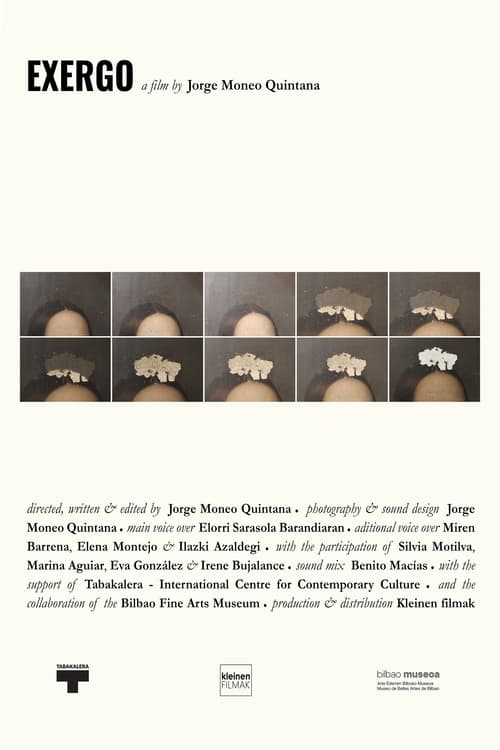
Departing from peripheral details of some paintings of the Bilbao Fine Arts Museum, a female narrator unravels several stories related to the economic, social and psychological conditions of past and current artists.
2016
Day after day, an elderly woman recalls the Spanish Basque country of her youth — while forgetting she is consigned to a retirement home in Chile.
2019
The personal stories lived by the Uncle, the Father and the Son, respectively, form a tragic experience that is drawn along a line in time. This line is comparable to a crease in the pages of the family album, but also to a crack in the walls of the paternal house. It resembles the open wound created when drilling into a mountain, but also a scar in the collective imaginary of a society, where the idea of salvation finds its tragic destiny in the political struggle. What is at the end of that line? Will old war songs be enough to circumvent that destiny?