1952
This Traveltalk series short visits a few locations where the centuries-old traditions of ancient India are kept alive in contemporary times.
2019
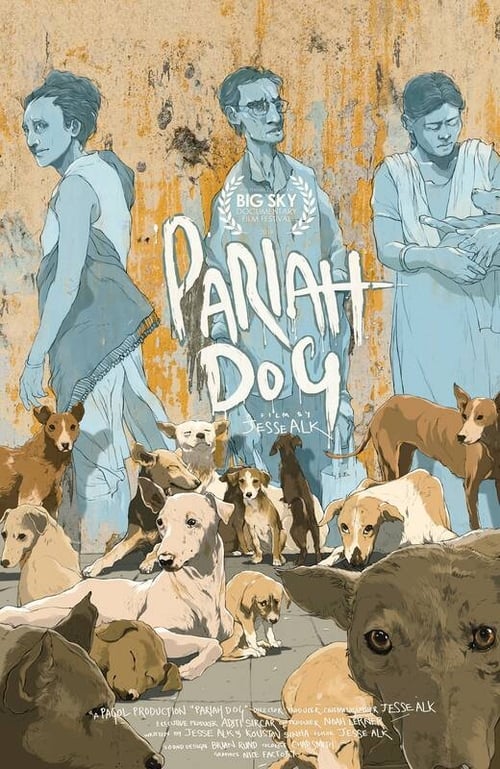
Shot over three years, Pariah Dog paints a kaleidoscopic picture of the city of Kolkata, seen through the prism of four outsiders and the dogs they love. These men and women have found meaning and purpose in their shared mission to care for neglected street dogs, who have existed in the towns and villages of India for thousands of years. For some this mission is enough, for others, dreams of a better life are always near.
1938
Life on the road in India, showing the traffic, people and animals.
Hindu temples at Benares and Belur and the mythologies associated with them.
2021
In a cluttered news landscape dominated by men, emerges India’s only newspaper run by Dalit women. Armed with smartphones, Chief Reporter Meera and her journalists break traditions on the frontlines of India’s biggest issues and within the confines of their own homes, redefining what it means to be powerful.
Filmed in 1938, less than a decade before Indian independence, Delhi has a curious tale to tell. ‘Delhi’, the viewer is informed, ‘is the cockpit of the Indian Empire’, it provides the ‘gateway to the riches of the south’. The opening sections of the film focus upon those who have tried and failed to establish a lasting power in the capital. ‘At Delhi’, the commentator states, ‘successive cities have been built by conquering invaders – each has fallen into disuse and decay’. The camerawork focuses on the ‘impressive ruins’ of these earlier invaders. Although the film also depicts the enduring architecture of Muslim rulers, such as Akbar and Shahjahan, it is stressed that their power has been superseded. Legend has it that it will be the ninth city of Delhi that ‘will endure and will rule forever’. Shahjahan had built the eighth.
1980
To the city come men, women, fruits, flowers, vegetables, goats and sheep – all ready for consumption. It is the process of consumption/exploitation that forms the core of the film.
1985
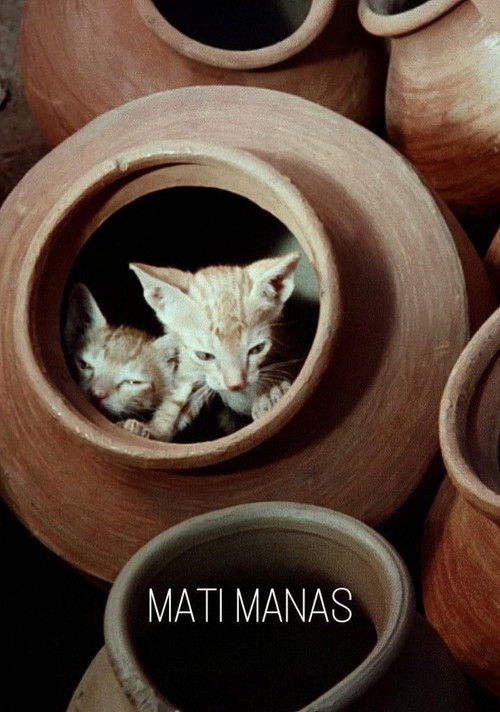
In a poetic hour and a half, director Mani Kaul looks at the ancient art of making pottery from a wide variety of perspectives.