1994
Filmmakers Laura Mulvey and Mark Lewis use rare archival footage and interviews with artists, art historians, and museum directors to examine the fate of Soviet-era monuments during successive political regimes, from the Russian Revolution through the collapse of communism. Mulvey and Lewis highlight both the social relevance of these relics and the cyclical nature of history. Broadcast on Channel Four as part of the 'Global Image' series (1992-1994).
The long lasting Palestinian-Israeli conflict has created appaling phenomenons that have horrified the Israeli society. the "politically conscience-refusals" or those individual soldiers refusing to fight in the occupied territories, are one of those phenomenons. In opposition to them stand a thousand immigrants from the former Soviet Union, ex-military men from the Red Army, who yearn to be recruited into the IDF and fight for Israel, but who are denied the right to serve in the army. Through the stories of Oleg and Alex, immigrants and the battalion's charismatic commanders, the story of the Russkii Battalion is told. It is a story of contrasts between the hardships of the daily struggles they face as new immigrants against the pride and the sense of belonging they find in the battalion. The Russkii Battalion is a film about a militaristic social bubble, in a country that is in constant war.
2025
Between 1930 and 1945, Eastern Europe experienced mass violence on an unprecedented scale. Hitler and Stalin exploited the vast region for their respective expansionist plans. It is estimated that around 14 million civilians were murdered—primarily Jews, Poles, Balts, Belarusians, and Ukrainians.
2017
Drawing on the collections of major Russian institutions, contributions from contemporary artists, curators and performers and personal testimony from the descendants of those involved, the film brings the artists of the Russian Avant-Garde to life. It tells the stories of artists like Chagall, Kandinsky and Malevich - pioneers who flourished in response to the challenge of building a new art for a new world, only to be broken by implacable authority after 15 short years and silenced by Stalin's Socialist Realism.
1937
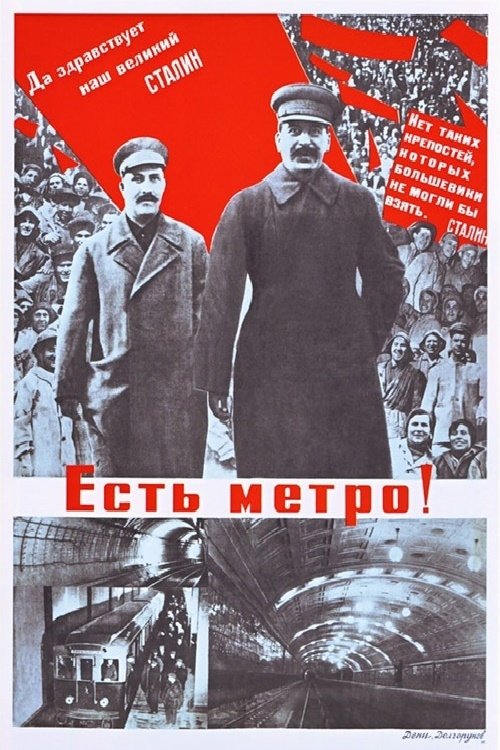
The film is about the life and work of Grigory Ordzhonikidze Konstantinoviche, an important personality in both the Communist Party and the Soviet state. The film includes speeches by his bereaved friends who attended his funeral. In 1937, after the unexpected death of Sergo Ordzhonikidze, Vertov received an urgent order from the government to produce a film about the life of Ordzhonikidze. He was ordered to work together with Yakov Bliohom and the director of the film "Battleship Potemkin" distributed by Goskino (Soviet State Committee for Cinematography).
2009
Tells the story of the tragic events in Ukraine in 1932-33, the genocidal Great Famine or the Holodomor, and one Welshman's attempts to tell the world what was happening.
2015
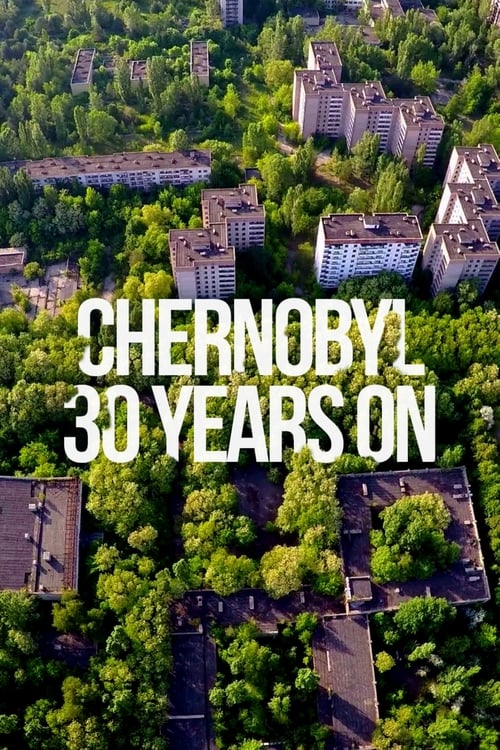
Thirty years after the Chernobyl disaster, which occurred on the night of April 26, 1986, its causes and consequences are examined. In addition, a report on efforts to strengthen the structures covering the core of the nuclear plant in order to better protect the population and the environment is offered.
1996
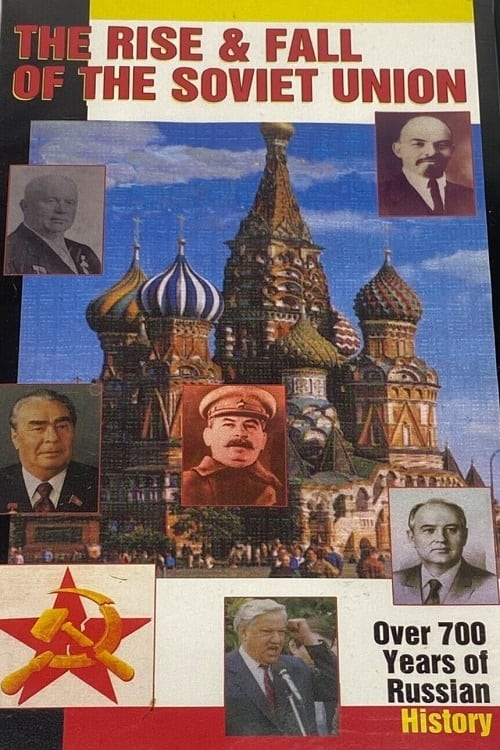
Historic Russian battles to repel invaders serve as prelude to the story of events that redrew the map of Eastern Europe and parts of Asia in the 20th century. Following the turmoil of the Bolshevik Revolution, Communist Russia faces the venom of Nazi aggression. 1940's film footage reveals the harsh reality of total war, as the Red Army and Soviet civilians alike confront a brutal and tenacious enemy. The following decades are darkened by tensions between the USSR and foreign powers, and violent measures taken to silence voices of dissent. Finally, the Soviet people's yearning for a freer society leads to accelerating reforms and the ultimate dissolution of the USSR.