1957
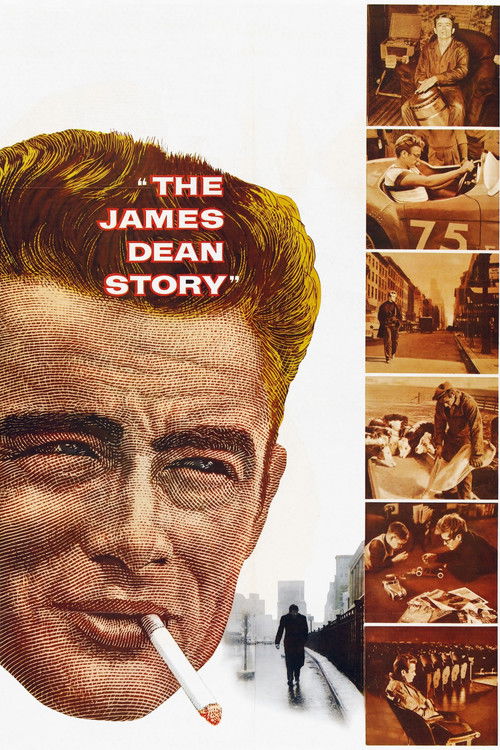
Released two years after James Dean's death, this documentary chronicles his short life and career via black-and-white still photographs, interviews with the aunt and uncle who raised him, his paternal grandparents, a New York City cabdriver friend, the owner of his favorite Los Angeles restaurant, outtakes from East of Eden, footage of the opening night of Giant, and Dean's ironic PSA for safe driving.
2019
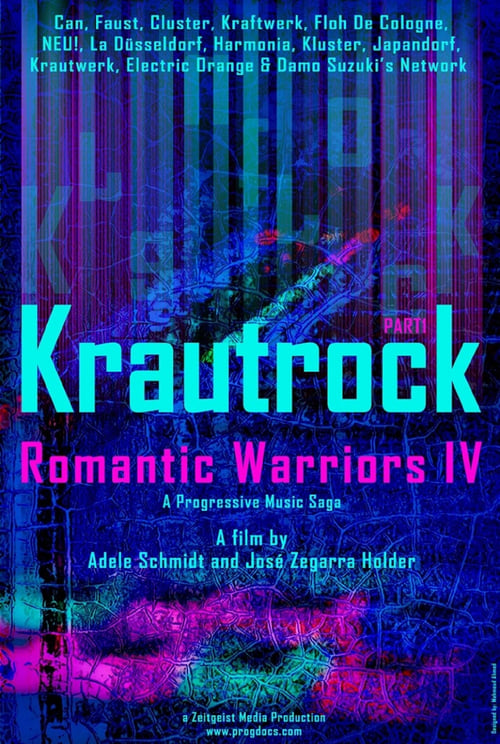
The fourth in a series of feature-length documentaries about Progressive rock written and directed by Adele Schmidt and José Zegarra Holder. Krautrock, Part 1 focuses on German progressive rock, popularly known as Krautrock, from in and around the Cologne, Düsseldorf, and Hamburg regions of Germany. Artist featured include Kraftwerk, Neu, Can, Faust and others.
2016
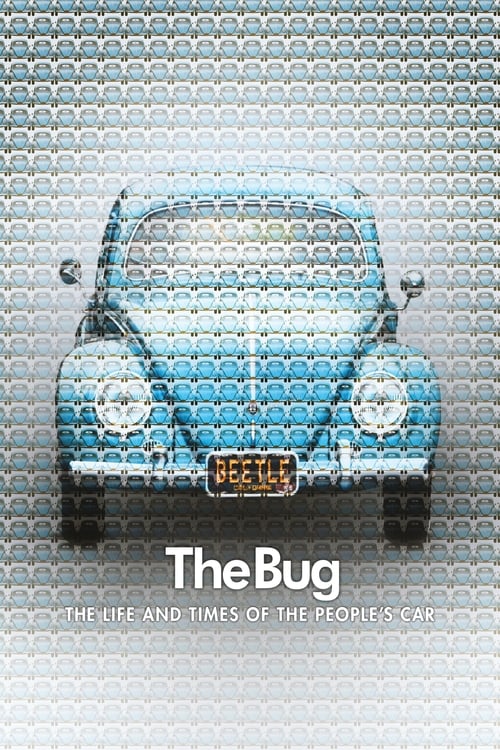
The Bug is about one of the most recognizable and beloved vehicles on the planet: The Volkswagen Beetle. From its dark past in pre-WWII Germany to the Summer of Love, this car captured the hearts and minds of millions of people around the world. This film explores not only the history of this automotive icon, but also the intense emotional connection it has with its owners past and present... including Ewan McGregor and his experience with his first VW Bug as a sixteen year old.
1998
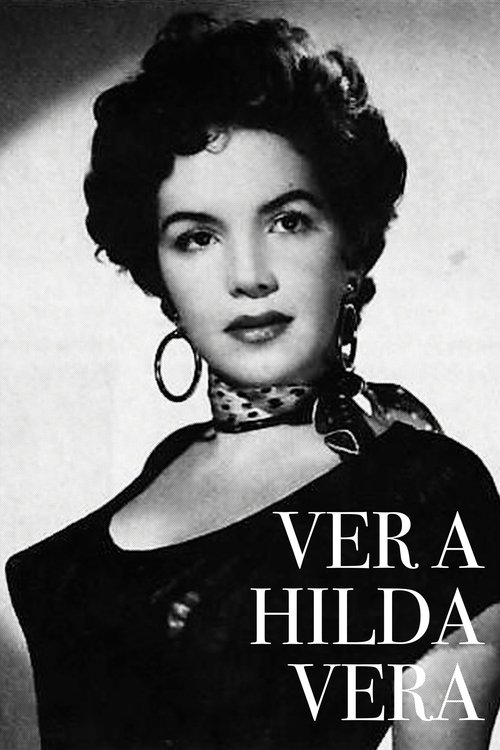
A living room, two video cameras, an armchair, two televisions and a mirror: domestic daily life in which colleagues, family and friends come together to decipher the life, personality and artistic trajectory of one of the most important actresses of Venezuelan Cinema: Hilda Vera
2003
This documentary is featured on the two-disc Chaplin Collection DVD for "The Kid" (1921), released in 2004.
This is a conversation starter first, a video second.
1895
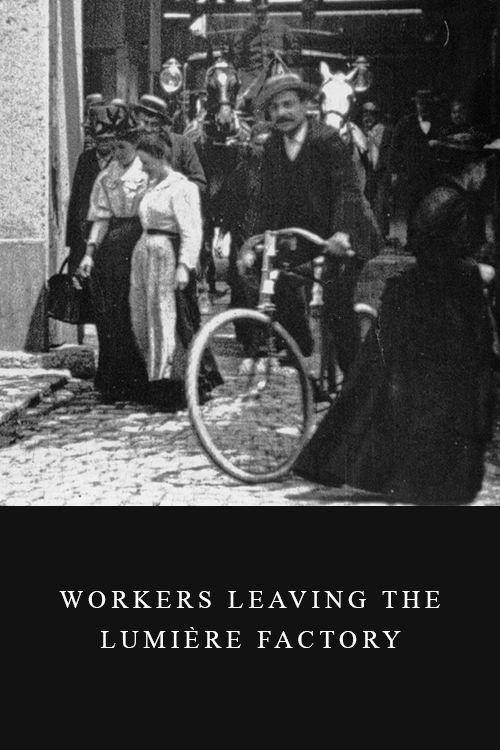
Working men and women leave through the main gate of the Lumière factory in Lyon, France. Filmed on 22 March 1895, it is often referred to as the first real motion picture ever made, although Louis Le Prince's 1888 Roundhay Garden Scene pre-dated it by seven years. Three separate versions of this film exist, which differ from one another in numerous ways. The first version features a carriage drawn by one horse, while in the second version the carriage is drawn by two horses, and there is no carriage at all in the third version. The clothing style is also different between the three versions, demonstrating the different seasons in which each was filmed. This film was made in the 35 mm format with an aspect ratio of 1.33:1, and at a speed of 16 frames per second. At that rate, the 17 meters of film length provided a duration of 46 seconds, holding a total of 800 frames.
2015
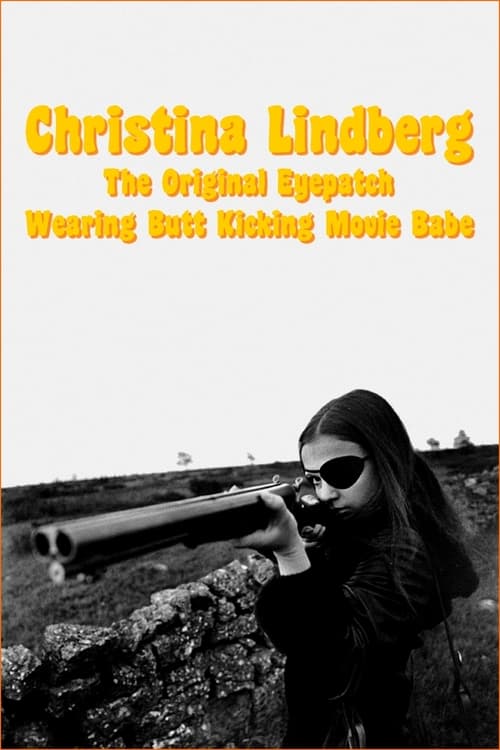
A look at the life and work of Christina Lindberg, the most famous Swedish model of the 1970s and star of exploitation cinema.