2010
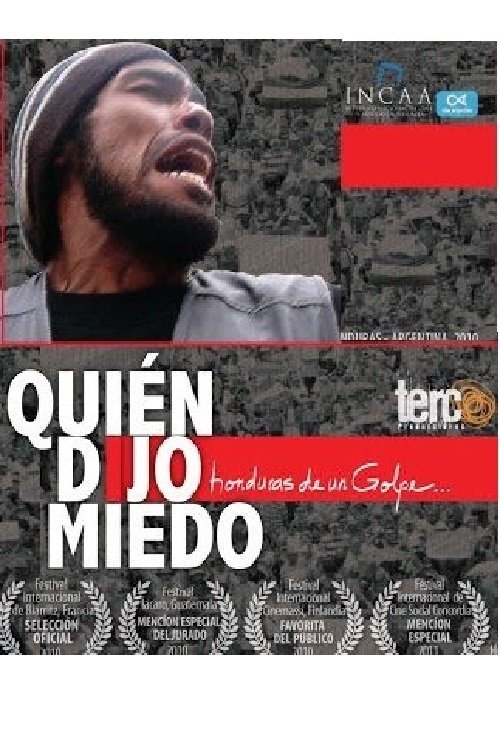
Portrays the violence of the coup d'etat in Honduras last June 28, 2009, making use of the voices of people resisting in the streets. Through commercials, news, real-time shots and interviews with Honduran scholars, the documentary puts in historical and political context the consequences of the capture of President-elect Juan Manuel Zelaya.
2023
A captivating story that takes you inside the heart of the Argentina national team camp of "La Albiceleste". Witness the incredible moments since they added a third star to their iconic jersey. Listen to their unique perspectives as they reflect on an unforgettable tournament, sharing the deep sense of connection that winning has forged between them and a nation behind them. A story about passion, dedication, and unity that make Argentina's victory truly memorable.
1998
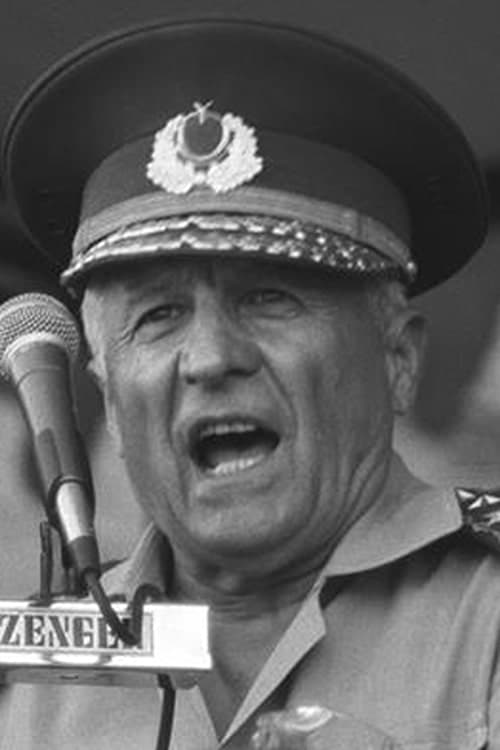
Turkish democracy got over May 27 and March 12 and set off again, but the storm did not subside, and the mutual reckoning was not over. On the contrary, new fronts were opened in the country and blood began to flow like a gutter. Finally, on September 12, there was a knock on the door again. Those who came that day changed everything, everything. Nothing will ever be the same again
1938
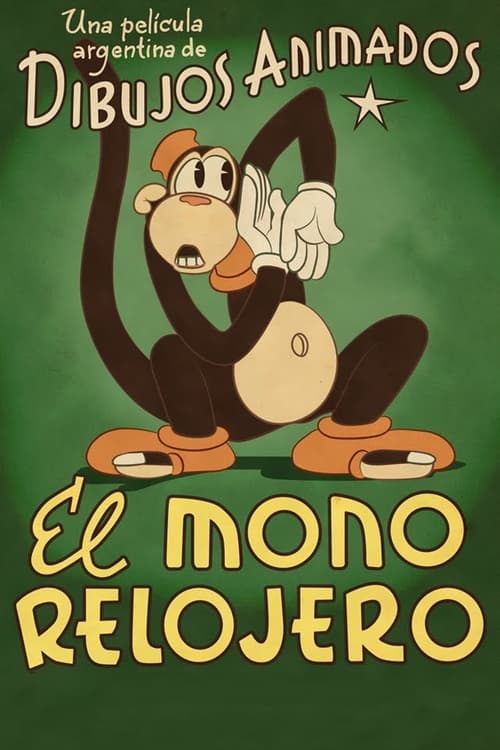
El Mono relojero is a 1938 Argentine animated short film directed by Quirino Cristiani. It is the only film from this director that exists up to this day, since all his other productions (including the first two animated feature films, El Apóstol (1917) and Sin dejar rastros (1918), as well as the first animated film with sound, Peludópolis (1931)) were lost in a series of fires at the facilities where the negatives and copies were stored.
1991
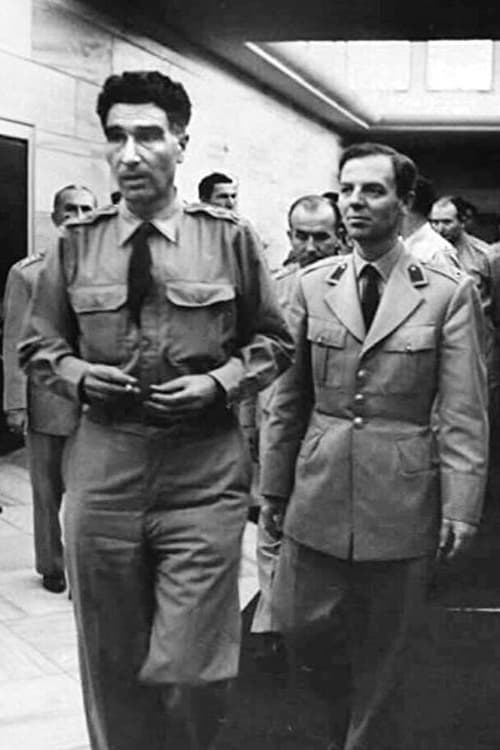
While the government was in a deep sleep, the brain staff of the revolution was completing its final preparations at the Military Academy, there were only a few hours left for the revolution that had been prepared for six years. Despite six years of preparation, there was actually no serious plan at hand. An unplanned, unscheduled full night raid was to be organized. The management level of the army was pro-government. Therefore, it was impossible for the intervention to take place within the chain of command. This was to be a grassroots military operation. The army of the operation consisted of young cadets. Except for the Harbiye, there was no force at hand. It was even possible for units such as the Guards Regiment and the Central Command to resist. That's how the day of May 27 began with the unknown and risks. Major General Cemal Madanoğlu, the commander of the Revolution Headquarters, would have the last word...
It is a famous saying: "One can come to power with a bayonet, but not sit on it." The organization, which carried out 27 May, came to power with a bayonet. Moreover, these young officers seized power that night by breaking the traditional chain of command. In the morning, a 10-year DP period was over, the support of the public was gained at first hand, and a brand new phase was reached. Now, the days that would mark the future of Turkey were beginning. Now, as those days put it, the "second republic period" was beginning.
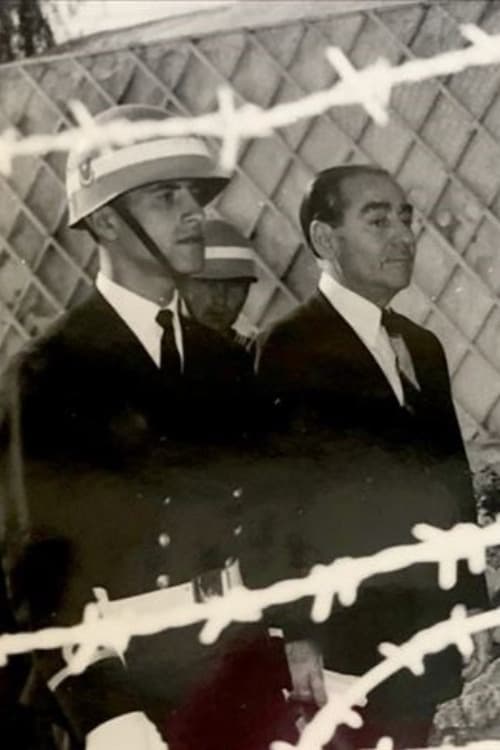
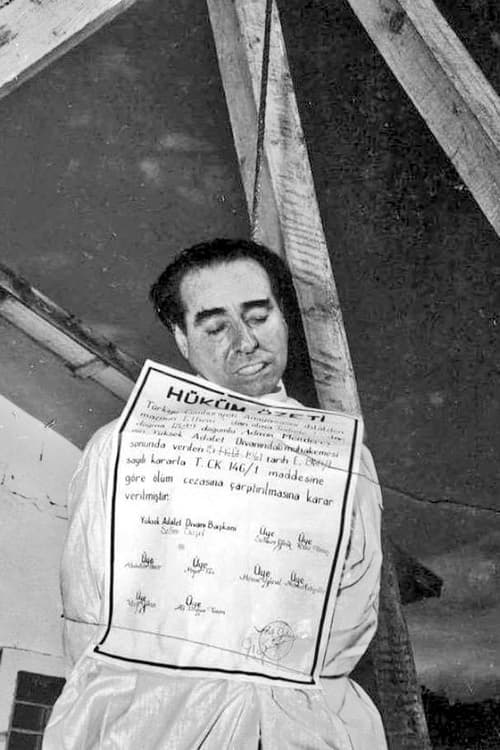
We came to the end of the road. We told you the story of the establishment of a democracy throughout 9 episodes... We witnessed the collapse of a one-party regime. We witnessed the disappearance of the national chiefdom. Together we experienced the holding of the first free general elections and the raising of democracy in pain. And finally, we told you about the birth, rise and fall of a new power. Where we ended up was a military intervention. Whatever the reasons, the storm of revolution had blown once. Now the task of the officers who seized power on the morning of May 27 was to contain that storm. But it didn't. After a while, the storm started to drag the revolutionaries in front of it. The historical scenario was repeated. The Revolution ate some of their children. The revolution was now speaking its own language...
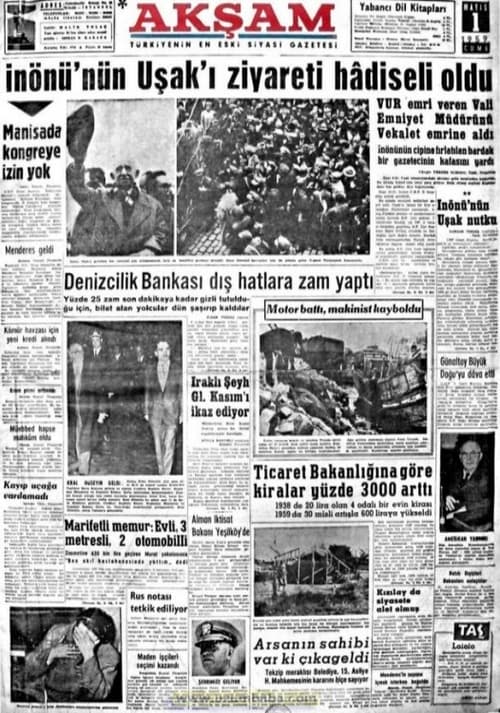
In the past, when spring came, there was a spring atmosphere in politics. But the spring of 1959 brought the CHP's spring offensive on the contrary. Seeing that the opportunity for a dialogue was completely lost after Menderes' plane crash, İsmet Pasha put on his boots in April and took his 46 deputies with him to the expedition. The chosen route was the route of the Great Offensive in the War of Independence. Uşak, where İnönü took the Greek Commander-in-Chief Trikupis prisoner, was the first stop...