2018
The acclaimed Italian director, Emma Dante, presents a powerful, barbaric and at time frenzied Macbeth with great attention to detail. Staged and filmed in Italy's largest theatre, the Teatro Massimo in Palermo, Sicily, this production captures remarkable performances by the Italian soprano Anna Pirozzi as Lady Macbeth, the renowned Verdi specialist, baritone Roberto Frontali, in one of his signature roles, and the rising star, Croatian bass-baritone Marko Mimica as Banco (Banquo). The conductor, Gabriele Ferro, has opted to use the 1865 Paris version of the score, sung in Italian and without the ballets, for a production that received generous praise in Palermo and on tour.
2017
Written for exceptional singers, Il Trovatore has remained popular ever since its first performance at the Teatro Apollo in Rome on 19 January 1853, when even the toughest critics were convinced of its place in the repertoire. People are attracted to Il Trovatore because of its rousing melodies, its brutal, powerful plot, and its simple structure: elements that make it one of the best examples of Verdi’s theatre pieces. Recorded live at the Sferisterio theatre of Macerata in the summer of 2016, under conductor Daniel Oren's vibrant and incisive direction, this production boasts a first-rate cast and elegant direction from Francisco Negrin. The sets and costumes by Louis Désiré and lighting by Bruno Poet were well received by the Sferisterio audience.
1987
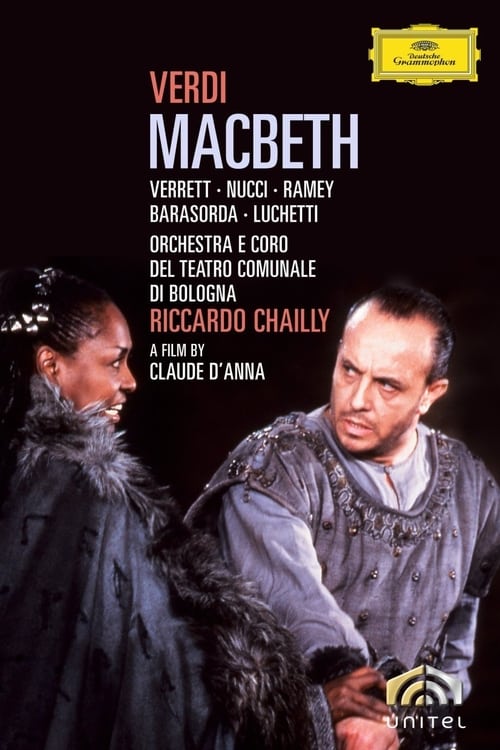
Claude D'Anna's film of Verdi's Macbeth is a gloomy affair, stressing the descent into madness of the principal villains. It's acted by the singers of the Decca recording of the opera (with two substitutions of actors standing in for singers) and the lip-synching is generally unobtrusive. The musical performance is superb, conducted by Riccardo Chailly with admirable fire, and sung by some of the leading lights of the opera stages of the 1980s. Shirley Verrett virtually owned the role of Lady Macbeth at the time, and she delivers a terrific performance, the voice equal to the role's wide register leaps and it's suffused with emotion, whether urging her husband on to murder or maddened by guilt in the Sleepwalking Scene. Leo Nucci's resonant Macbeth may lack the ultimate in vocal color and steadiness (his last notes of the great aria Pietà, rispetto, amore are wobbly) but he compensates with intensity in both singing and acting.
2001
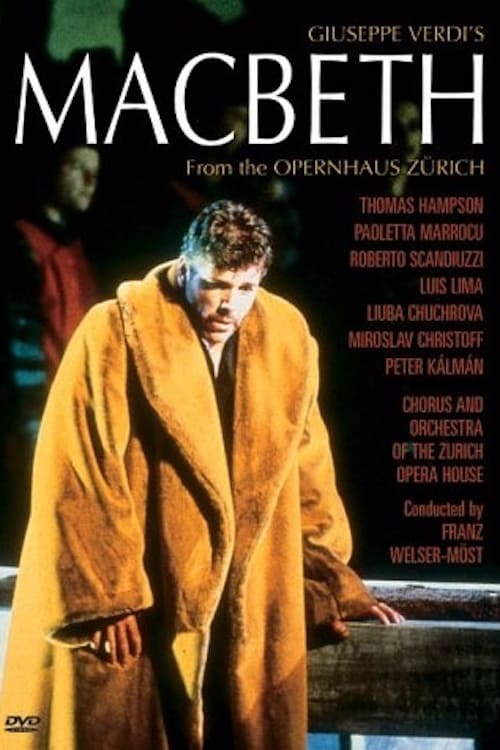
This hard-edged postmodern production of Giuseppe Verdi's haunting masterpiece brings the story of Shakespeare's bloody tragedy to vivid life, characterized by spine-tingling atmospherics and a triumphant debut by American baritone Thomas Hampson in the title role. This Zurich Opera House production also features a mesmerizing turn by Paoletta Marrocu as the beautiful, power-hungry Lady Macbeth, while striking sets and costumes further enhance the duality of the main character whose rise and fall mirror the darkest impulses of man. Replete with supernatural mystery, sexual tension, and violent power plays, this timeless story remains gripping and chilling for today's audiences and boasts some of the most astonishing music of Verdi's legendary body of work.
1928
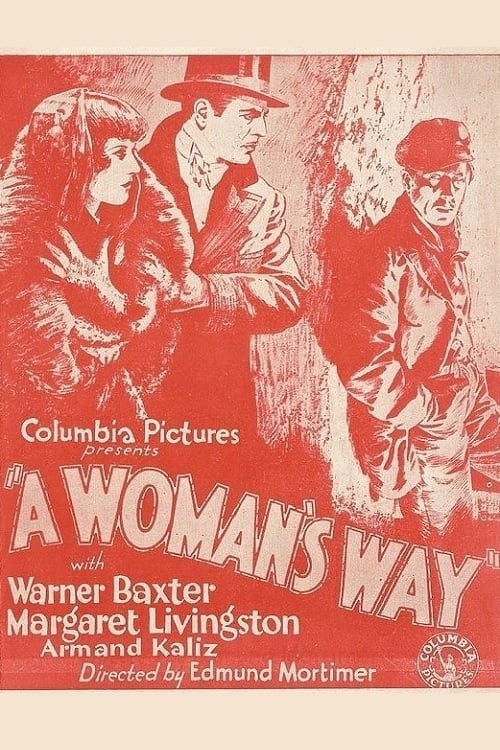
Set in Paris, the story concentrates on the romantic triangle involving cabaret singer Liane, bon vivant Tony and petty crook Jean.
2023
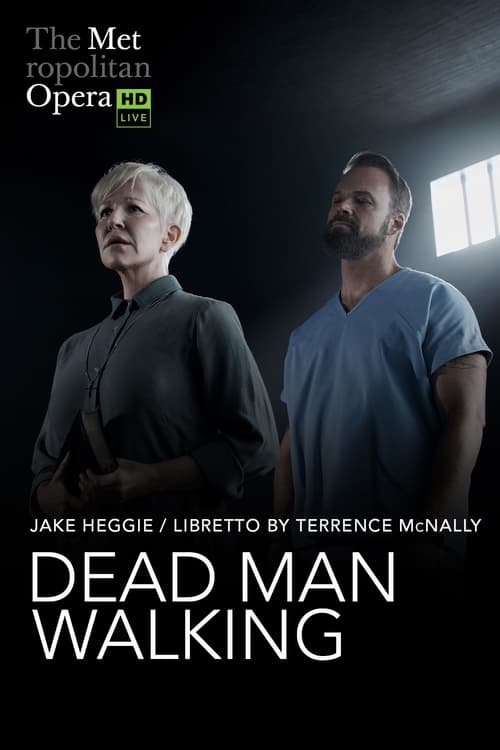
American composer Jake Heggie’s compelling masterpiece, the most widely performed new opera of the last 20 years, arrives in cinemas in a haunting new production by Ivo van Hove. Based on Sister Helen Prejean’s memoir about her fight for the soul of a condemned murderer, Dead Man Walking matches the high drama of its subject with Heggie’s beautiful and poignant music and a brilliant libretto by Tony and Emmy Award–winner Terrence McNally. Met Music Director Yannick Nézet-Séguin takes the podium, with mezzo-soprano Joyce DiDonato starring as Sister Helen. The outstanding cast also features bass-baritone Ryan McKinny as the death-row inmate Joseph De Rocher, soprano Latonia Moore as Sister Rose, and legendary mezzo-soprano Susan Graham—who sang Helen Prejean in the opera’s 2000 premiere—as De Rocher’s mother.
2024
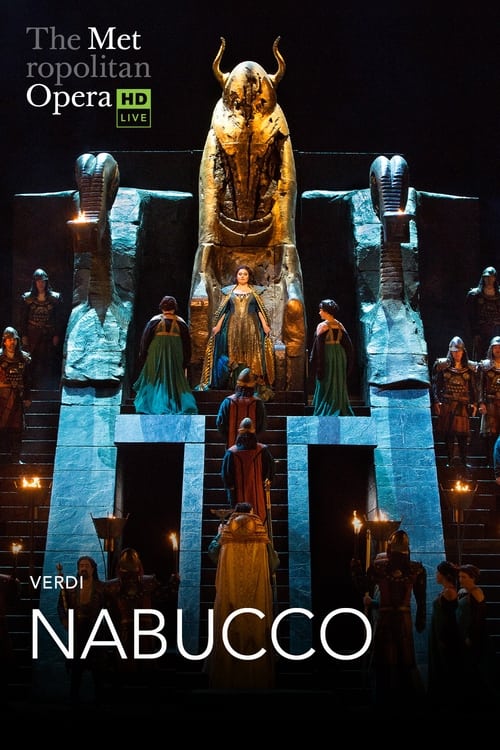
The success of Verdi’s third opera, a stirring drama about the fall of ancient Jerusalem at the hands of Nebuchadnezzar (Nabucco), catapulted the 28-year-old composer to international fame. The music and Verdi himself were subsumed into a surge of patriotic fervor culminating in the foundation of the modern nation of Italy. Specifically, the Chorus of the Hebrew Slaves ('Va, pensiero'), in which the Israelites express their longing for their homeland, came to stand for the country’s aspirations for unity and that exciting era in Italian history, the Risorgimento, or 'Resurgence'.
Director Carrie Cracknell makes her Met debut, reinvigorating the classic story with a staging that moves the action to the modern day, in a contemporary American industrial town.