1983
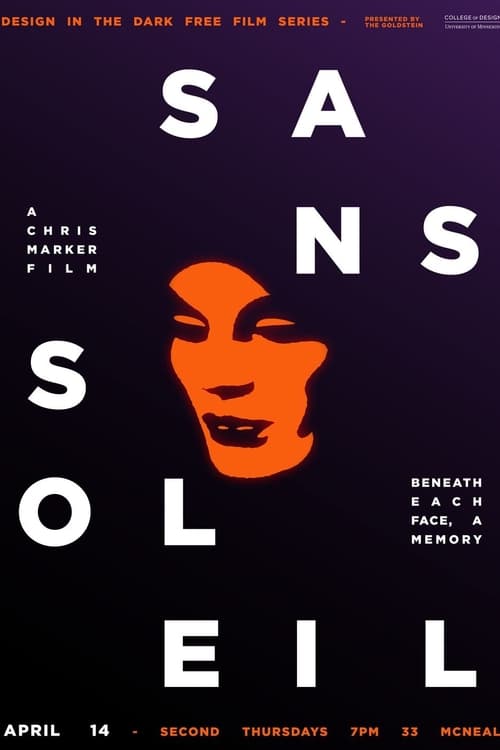
A woman narrates the thoughts of a world traveler, meditations on time and memory expressed in words and images from places as far-flung as Japan, Guinea-Bissau, Iceland, and San Francisco.
2026
The filmmaker, Alexandros Papathanasiou, travels to Crete to meet Lefteris Eliakis, a guerrilla fighter during the Greek Civil War and a political prisoner for two decades. This insightful portrait conjures the ghosts of the Greek Civil War – the maverick people, revolutionary politics, and breathtaking events that have shaped today’s Greece.
2023
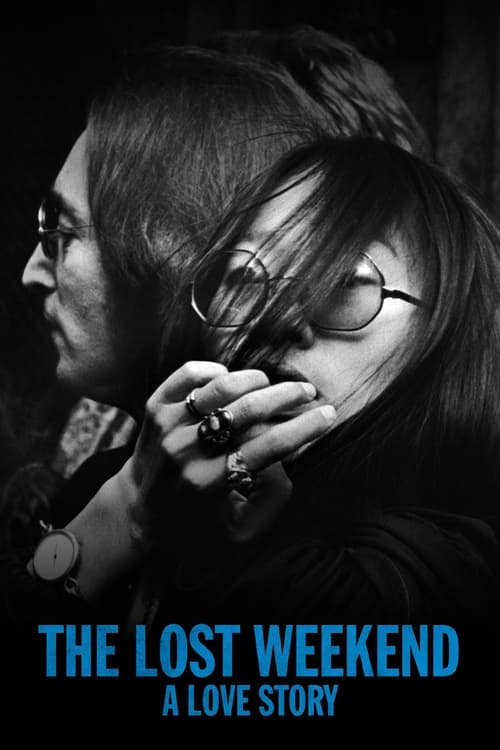
May Pang lovingly recounts her life in rock & roll and the whirlwind 18 months spent as friend, lover, and confidante to one of the towering figures of popular culture, John Lennon, in this funny, touching, and vibrant portrait of first love.
1996
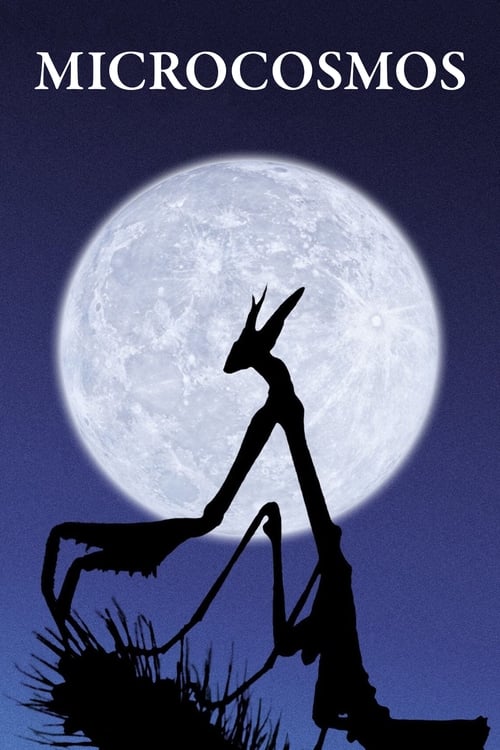
A documentary of insect life in meadows and ponds, using incredible close-ups, slow motion, and time-lapse photography. It includes bees collecting nectar, ladybugs eating mites, snails mating, spiders wrapping their catch, a scarab beetle relentlessly pushing its ball of dung uphill, endless lines of caterpillars, an underwater spider creating an air bubble to live in, and a mosquito hatching.
2002
How the Fiddle Flows follows Canada's great rivers west along the fur-trading route of the early Europeans. The newcomers introduced the fiddle to the Aboriginal people they intermarried with along the way. A generation later, their mixed-blood offspring would blend European folk tunes with First Nations rhythms to create a rich and distinct musical tradition. From the Gaspé Peninsula, north to Hudson Bay and to the Prairies, How the Fiddle Flows reveals how a distinctive Metis identity and culture were shaped over time. Featuring soaring performances by some of Canada's best known fiddlers and step dancers and narrated by award-winning actress Tantoo Cardinal.
1938
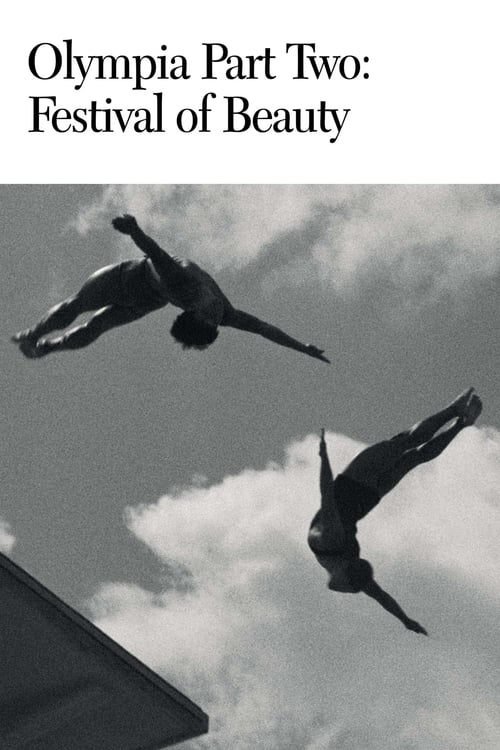
Part two of Leni Riefenstahl's monumental examination of the 1938 Olympic Games, the cameras leave the main stadium and venture into the many halls and fields deployed for such sports as fencing, polo, cycling, and the modern pentathlon, which was won by American Glenn Morris.
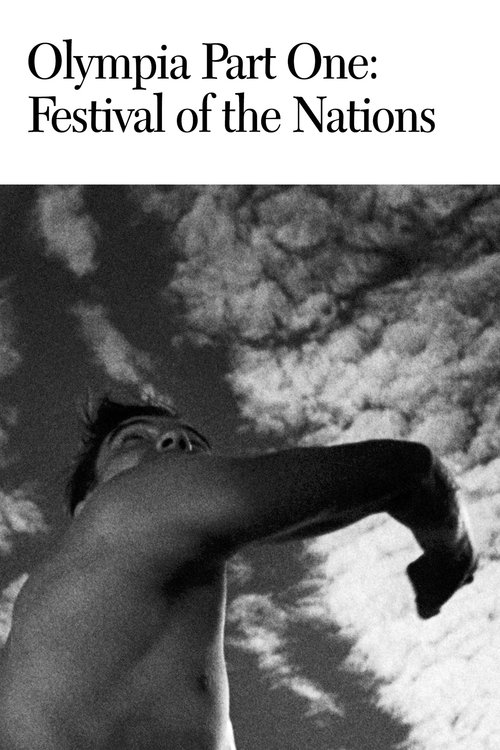
Starting with a long and lyrical overture, evoking the origins of the Olympic Games in ancient Greece, Riefenstahl covers twenty-one athletic events in the first half of this two-part love letter to the human body and spirit, culminating with the marathon, where Jesse Owens became the first track and field athlete to win four gold medals in a single Olympics.
1927
A day in the city of Berlin, which experienced an industrial boom in the 1920s, and still provides an insight into the living and working conditions at that time. Germany had just recovered a little from the worst consequences of the First World War, the great economic crisis was still a few years away and Hitler was not yet an issue at the time.