2019
February 22, 2019 marks the start of a historic movement in Algeria, initially against the candidacy of President Bouteflika for a fifth term, then for the departure of all former dignitaries of the regime and the establishment of a Second Republic. Algerian-Canadian filmmaker Sara Nacer returns to Algeria to capture this “Hirak” (movement in Arabic) through her camera. Through her journey, she invites us to discover the young generation who are leading the "Smile Revolution" and building Algeria 2.0, with a strong political, cultural and social awareness.
2021
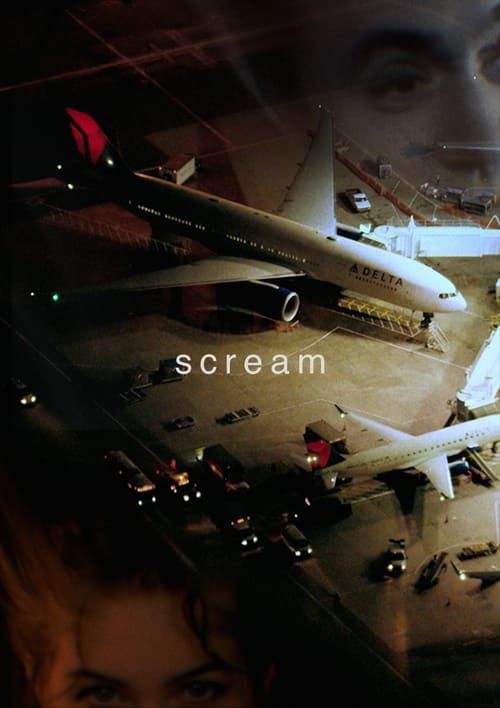
An experimental essay film about terrorism, media, violence and globalisation. Three infotainment news broadcasts - a rollercoaster, a hijacking, and an influencer - are soundtracked by pulsating experimental electronics that push the psychic residue of a post war-on-terror world out of the unconscious and onto the screen. Capitalism, imperialism, desire; all three are implicated in a nihilism that has seeped from the news into the social psyche.
2017
Jacqueline Gozlan - who left Algeria with her parents in 1961 - nostalgically retraces the history of the Algiers Cinematheque, inseparable from that of the country's Independence, through film extracts and numerous testimonies; notably that of one of its creators, Jean-Michel Arnold, but also of filmmakers such as Merzak Allouache and critics such as Jean Douchet. A place of life for Algerians, the Cinémathèque was the hub of African cinemas. Created in 1965 by Ahmed Hocine, Mahieddine Moussaoui and Jean-Michel Arnold, the Cinémathèque benefited from the excitement of Independence. The Cinematheque becomes a meeting place for Algiers society, future filmmakers find their best school there. In 1969, the Algiers Pan-African Festival brought together all African filmmakers, and from 1970, Boudjemâa Kareche developed a collection of Arab and African films.
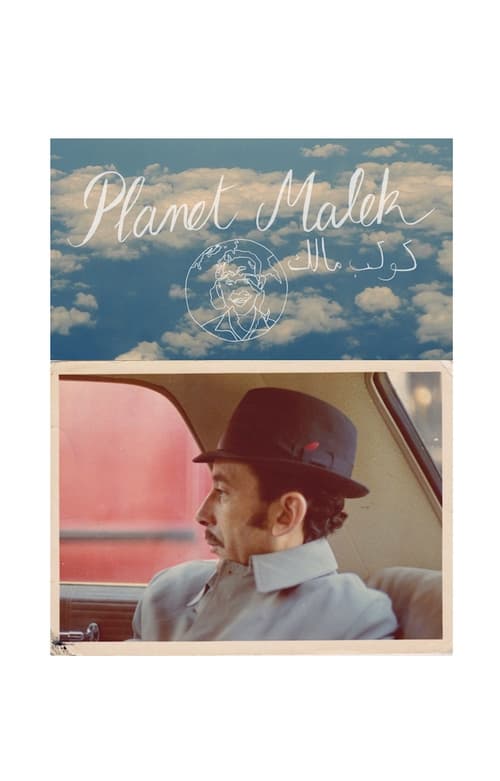
Ahmed Malek’s name might have been forgotten by his fellow Algerians but his timeless tunes certainly haven’t. Called the Ennio Morricone of Algiers, he composed music for more than 200 movies, amongst which the most famous films of the Algerian New Wave in the 70s and the 80s can be found. Paloma Colombe, a DJ, digger and documentary director, went to Algiers to meet his daughter, friends and former coworkers. Images of the city by night offer a perfect background to Ahmed Malek’s music. Globetrotter, pioneer of electronic music and of the concept of the home studio, he created a unique sound that truly goes beyond genres and countries.
2004
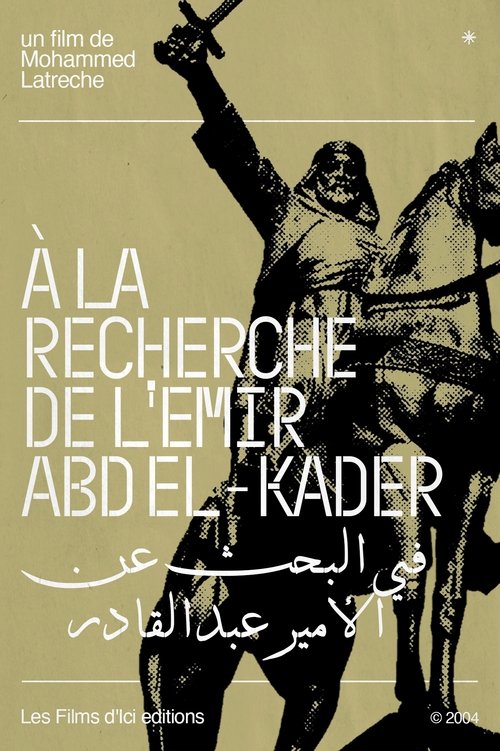
Abdelkader ibn Muhieddine (Arabic: عبد القادر بن محي الدين (ʿAbd al-Qādir ibn Muḥyiddīn), also known as Emir Abdelkader, or Abdelkader El Djezairi (Abdelkader the Algerian), born September 6, 1808 in El Guettana, in the regency of Algiers, and died on May 26, 1883 in Damascus, then in the Ottoman Empire and in present-day Syria, is an Algerian emir, religious and military leader. Barely 20 years old, he federates the tribes and led a struggle against the conquest of Algeria by France in the middle of the 19th century.After his surrender, he was held captive in France before going into exile in Syria where he devoted himself to poetry and established great relations friendship with Paris, which showered him with honors after having intervened in favor of the persecuted Christians in Syria, he intervened by force to protect the Christian families who came to take refuge in large numbers in the Algerian district. of certain death.
2023
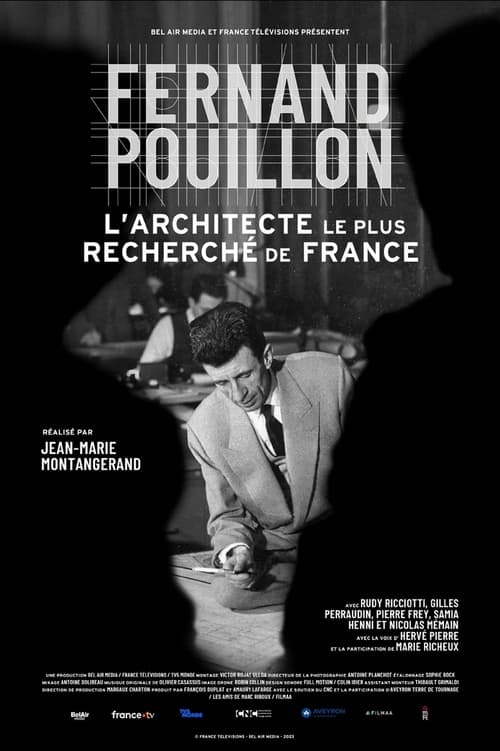
The work of Fernand Pouillon, "France's most wanted" architect after being imprisoned and mysteriously escaping in the 1960s, now seems to have faded into the background. However, in 50 years he has built more than 5 million square meters, mainly between France and Algeria, at a frantic pace, traveling tens of thousands of kilometers per week, by propeller plane, to go to construction sites. at night or at dawn between Marseille, Paris, Algiers or in the middle of the desert, until you burn your wings. Among others, Fernand Pouillon decided to build houses for the most modest.
2003
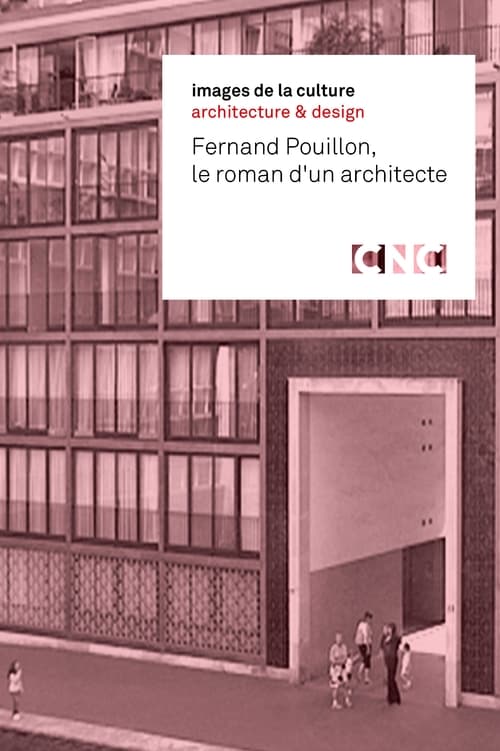
Constructing freestone buildings on the cheap, Pouillon made a name for himself at the end of the 1940s in Aix-en-Provence and Marseille, shaking up his peers who only dreamed of towers and concrete bars. In Algiers, until Independence, he built in record time thousands of homes for the poorest, real urban projects inspired by traditional forms. In the Paris region, to build comfortable buildings quickly and well, nestled in the greenery, he becomes a promoter: this too adventurous bet leads him to prison and retains his reputation. Not very explicit about this complex affair, but seduced by a contemporary architecture that combines technical inventiveness and ancient references, Christian Meunier films by multiplying the angles of view. Today's lively atmospheres are interspersed with archive footage, while Pouillon's writings are read off. Moved, his collaborators evoke a demanding and generous man, with an infectious passion.
2013
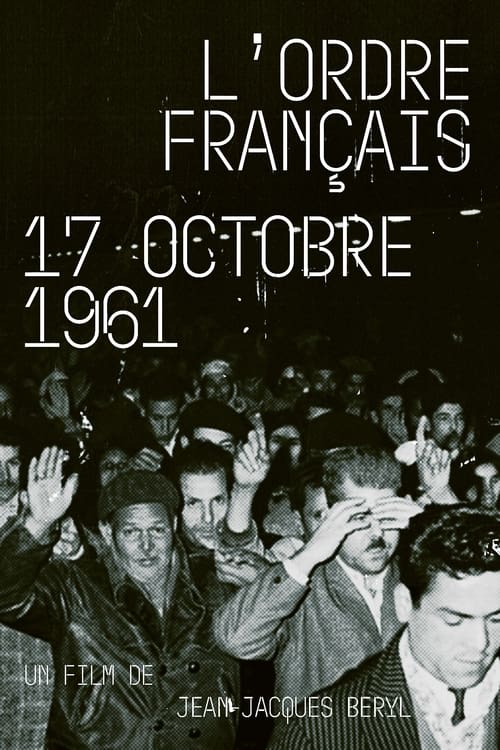
“In Algeria, we are restoring order, what we mean by French order,” declared Michel Debré, Prime Minister, under the presidency of Charles De Gaulle, in April 1956. It was, of course, order colonial in defiance of the republican order, in Algeria as in Paris where, on October 17, 1961, Algerians flocking from suburban slums were massacred by the police of prefect Maurice Papon, while they were peacefully marching for the independence of their country. On October 17, 2001, a commemorative plaque was placed in Paris on the Saint-Michel bridge: "In memory of the many Algerians killed during the bloody repression of the peaceful demonstration of October 17, 1961." A surge of racial hatred, less than 20 years after the roundup of the Jews in July 1942. An Algerian, victim of this roundup, told us, holding back his tears, "I still have nightmares."