1936
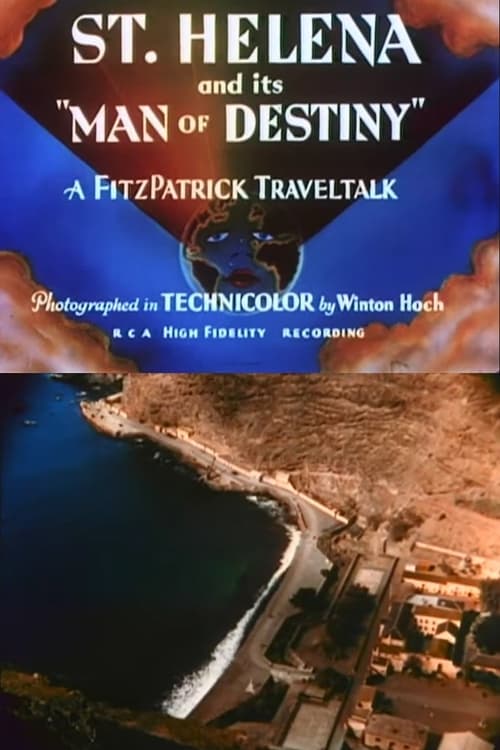
The remote island of St. Helena, a British possession located in the south Atlantic, is perhaps best known as where Napoleon Bonaparte was exiled/imprisoned for the final six years of his life and where he died in 1821. His legacy on the island remains today, despite his body being disinterred and moved back to France in 1840. His home was at Longwood, one area of the island now ceded to the French in respect of its former resident. The island was discovered and named by the Portuguese in 1502. Until the British took over, many other European countries had or wanted possession of the island because of its location along natural trade routes. Jamestown is the island's only port, named after King James. With 4,000 inhabitants, St. Helena is self supporting, growing primarily potatoes and flax. However, its primary economic generator is the sale of the rare St. Helena postage stamp.
2017
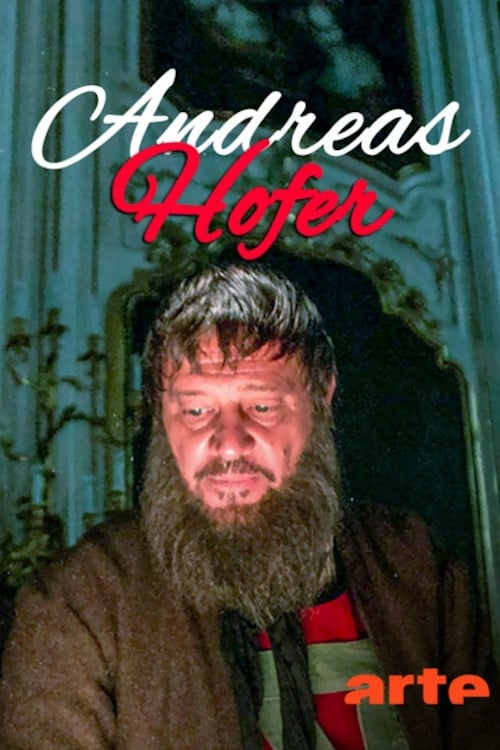
During the Napoleonic Wars at the beginning of the 19th century, Andreas Hofer became a Tyrolean folk hero. As the head of a resistance movement, he became caught up in a dangerous political game of interests between the French and Austrians, Napoleon and the Habsburgs. After the defeat at Austerlitz, the Habsburgs had to cede Tyrol to the Bavarian kings in 1805. The liberal Bavarians implemented numerous reforms in Tyrol, including religious reforms, which met with resistance from the rural population. The young Archduke Johann wanted to take advantage of their discontent. In Andreas Hofer, the commander-in-chief of the Tyrolean troops, the brother of Emperor Franz I finds a loyal patriot whom he can use for his political moves. The Tyrolean revolt against the French and Bavarians puts Napoleon in a tight spot. In several battles, the rebels succeed in defeating the Bavarian and French troops, but not in defeating them for good.
2021
May 5, 1821. Napoleon Bonaparte, deposed emperor exiled on the island of St. Helena, is about to take his last breath. The son of a Corsican family, he has been close to death on many occasions since, as a young captain in the revolutionary army, he seized Toulon from the royalists in 1793.
Charles Louis Schulmeister (1770-1853) was a smuggler and a revolutionary, but also a chief of police and Napoleon Bonaparte's favorite spy. A look back on his adventurous life with the purpose of unraveling the many mysteries of his unique path.
2018
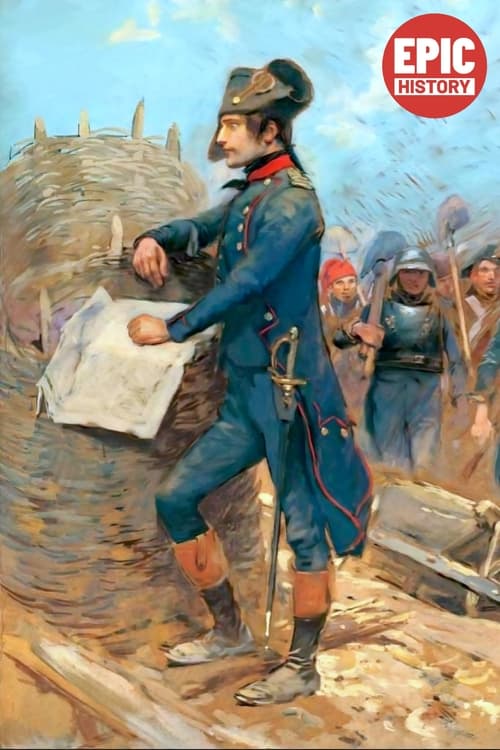
It was during this siege that young Napoleon Bonaparte first won fame and promotion when his plan, involving the capture of fortifications above the harbour, was credited with forcing the city to capitulate and the Anglo-Spanish fleet to withdraw.
2000
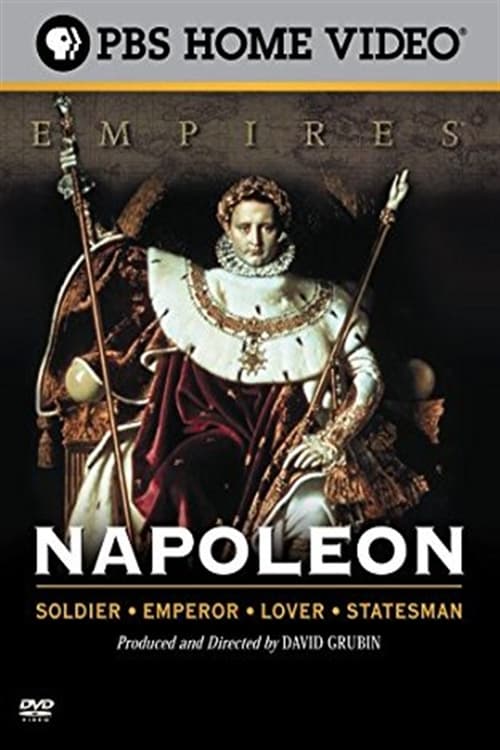
In David Grubin's NAPOLEON watch Napoleon's rise from obscurity to victories that made him a hero to the French people and convinced him he was destined for greatness. Learn of his love for Josephine Beauharnais, and his rise to Emperor. Witness his extraordinary achievements and ultimately his fall, his final battles, his exile to Elba, and his defeat at Waterloo. For nearly two decades he strode the world stage like a colossus -- loved and despised, venerated and feared. From his birth on the rugged island of Corsica to his final exile on the godforsaken island of St. Helena, NAPOLEON brings this extraordinary figure to life.
2005
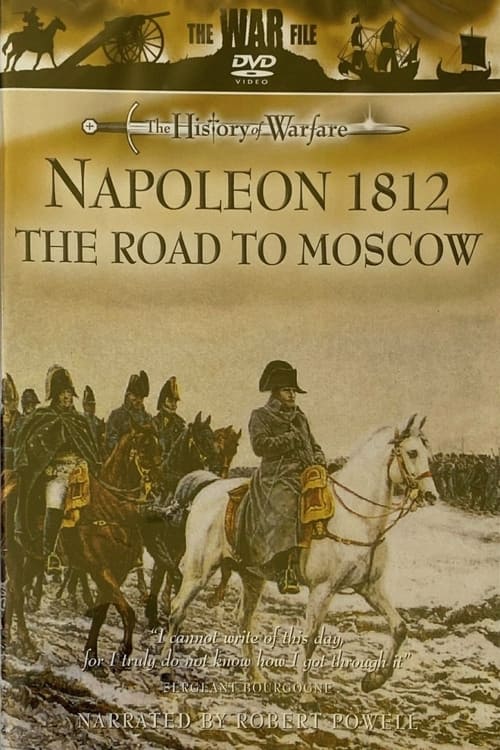
It was to be Napoleon Bonaparte's greatest adventure; an invasion of Russia with an army of more than 650,000 men, the largest the world had yet seen. The Emperor's irresistible progress into the vast Russian interior saw many brutal conflicts including the Battle of Borodino, one of the bloodiest day's fighting in military history. Napoleon would not be defeated in battle but by Russian guile and the savages of winter snows. To this day the infamous retreat from Moscow epitomises the suffering of ordinary soldiers. This documentary is a powerful record of one of history's greatest military disasters, and features period imagery, dramatised "eye-witness" accounts, expert analysis, and extensive footage from the Oscar-winning Russian film "War and Peace".
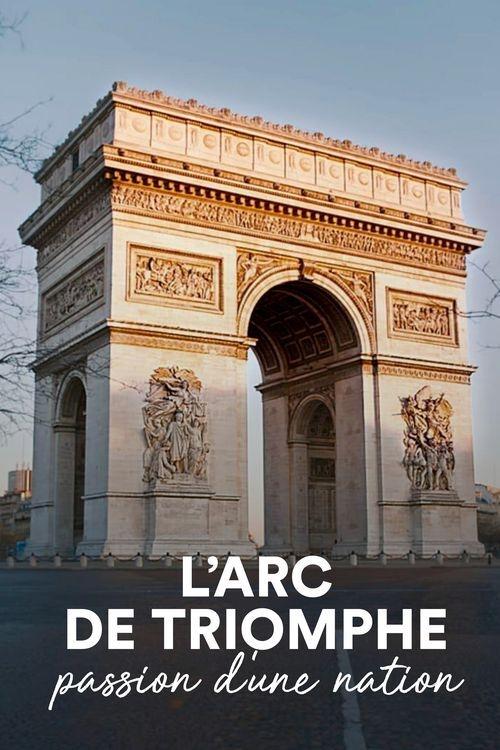
The pride of Napoleon's victories, the Arc de Triomphe, whose first stone was laid in 1806 at the top of the Champs-Élysées, is, along with the Eiffel Tower, one of the most visited monuments in the French capital. Wanted by an emperor, inaugurated under the reign of a king (Louis-Philippe) and sanctuarized by the Republic, this patriotic temple polarizes the passions of a whole nation. A historical portrait before "packaging", which teems with anecdotes and unsuspected details.