2005
Every year, thousands of Antarctica's emperor penguins make an astonishing journey to breed their young. They walk, marching day and night in single file 70 miles into the darkest, driest and coldest continent on Earth. This amazing, true-life tale is touched with humour and alive with thrills. Breathtaking photography captures the transcendent beauty and staggering drama of devoted parent penguins who, in the fierce polar winter, take turns guarding their egg and trekking to the ocean in search of food. Predators hunt them, storms lash them. But the safety of their adorable chicks makes it all worthwhile. So follow the leader... to adventure!!
2006
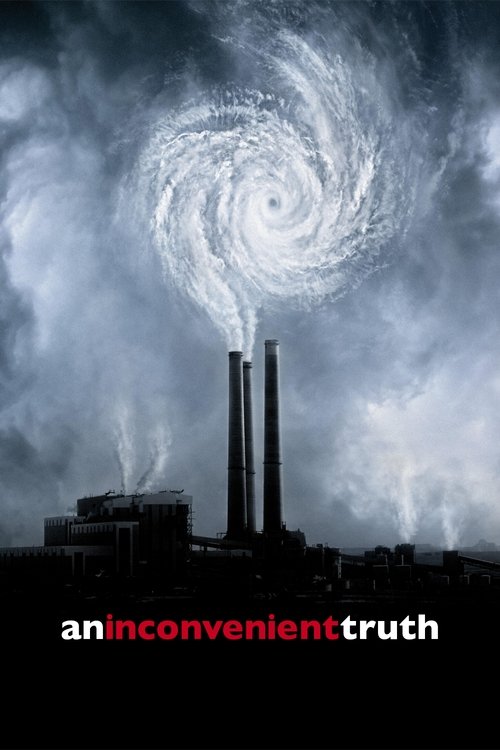
A documentary on Al Gore's campaign to make the issue of global warming a recognized problem worldwide.
1998
This documentary follows the French soccer team on their way to victory in the 1998 World Cup in France. Stéphane Meunier spent the whole time filming the players, the coach and some other important characters of this victory, giving us a very intimate and nice view of them, as if we were with them.
1956
One entry in a series of films produced to make science accessible to the masses—especially children—this film describes the sun in scientific but entertaining terms.
2022
The film follows a group of growers who embrace the restorative power that the soil holds. Skin of the Earth is a story about the relationship between humans, the land, and belonging.
2021
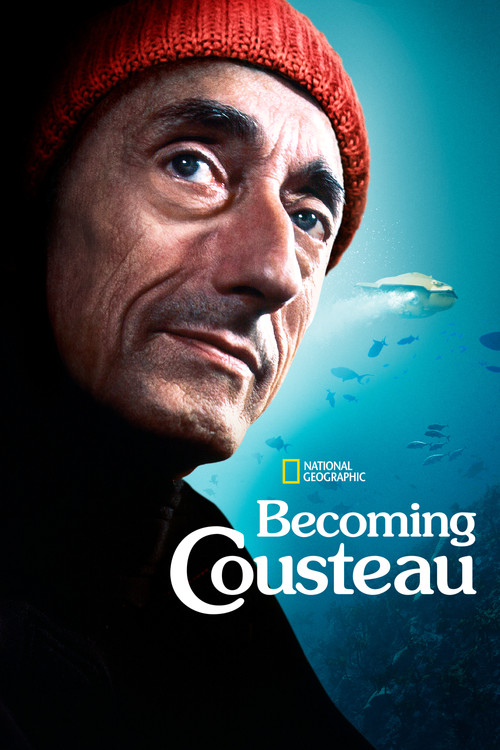
Adventurer, filmmaker, inventor, author, unlikely celebrity and conservationist: For over four decades, Jacques-Yves Cousteau and his explorations under the ocean became synonymous with a love of science and the natural world. As he learned to protect the environment, he brought the whole world with him, sounding alarms more than 50 years ago about the warming seas and our planet’s vulnerability. In BECOMING COUSTEAU, from National Geographic Documentary Films, two-time Academy Award®-nominated filmmaker Liz Garbus takes an inside look at Cousteau and his life, his iconic films and inventions, and the experiences that made him the 20th century’s most unique and renowned environmental voice — and the man who inspired generations to protect the Earth.
A sea-turtle grew tumors that are believed to be human induced. Experts talk about their relationship with turtles like her and call audiences to action.
2002
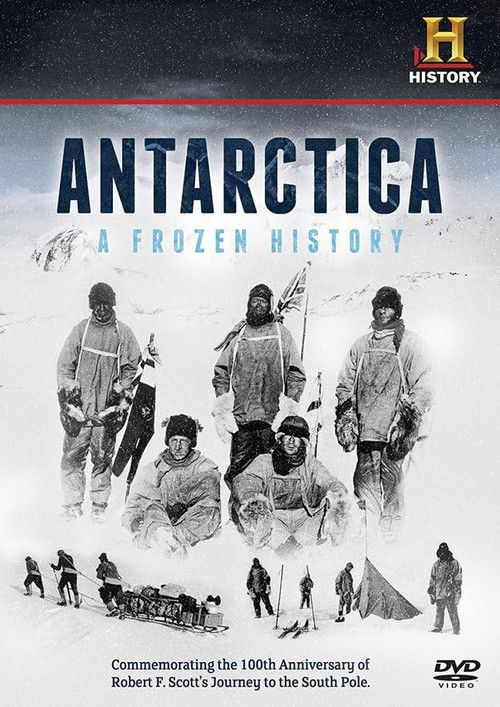
Antarctica: A Frozen History takes a look at the history and stories of the human explorations in the Antarctic. Although quite slow paced and relatively old, the documentary film successfully incorporates reconstructed film material and original Antarctic expedition footage to fully illustrate the hardships of the heroic and extreme arctic explorations. Human endurance is tested to the maximum, as the documentary takes a look back at those who have tried, failed and conquered this most unforgiving landscape. Some of these stories entail Robert Falcon Scott, a Royal Navy officer and explorer who led two expeditions to the Antarctic regions: the Discovery expedition of 1901–1904 and the ill-fated Terra Nova expedition of 1910–1913. Scott reached the South Pole in January 1912 only to find he had been beaten to the spot by 33 days. His entire party died on the return journey; eight months later, a search party discovered some of their bodies, diaries and photographs.