2023
Wan-soon, a 9-year-old girl living on the island, managed to survive a massacre that took place 75 years ago. The lingering effects of this unresolved ordeal are emphasized, and the girl embarks on a journey to depict the vivid red fragments that remain in her memory, using a red colored pencil as her means of expression.
2025
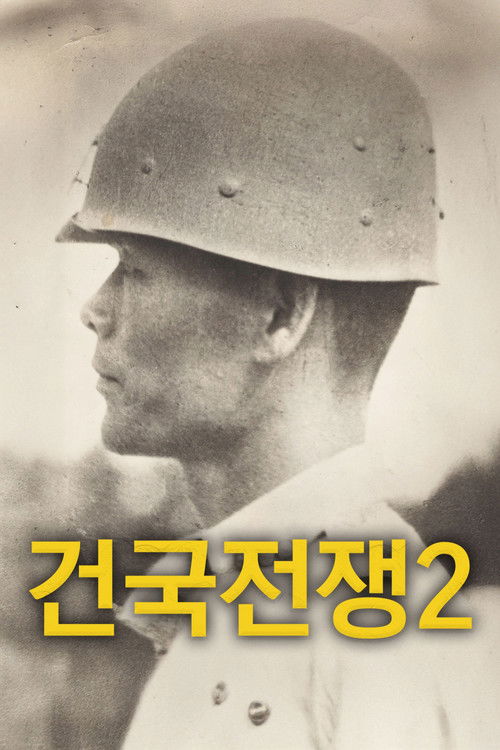
How did South Korea, after liberation in 1945 defend liberal democracy against leftist and communist forces? The door to that secret is now revealed.
2018
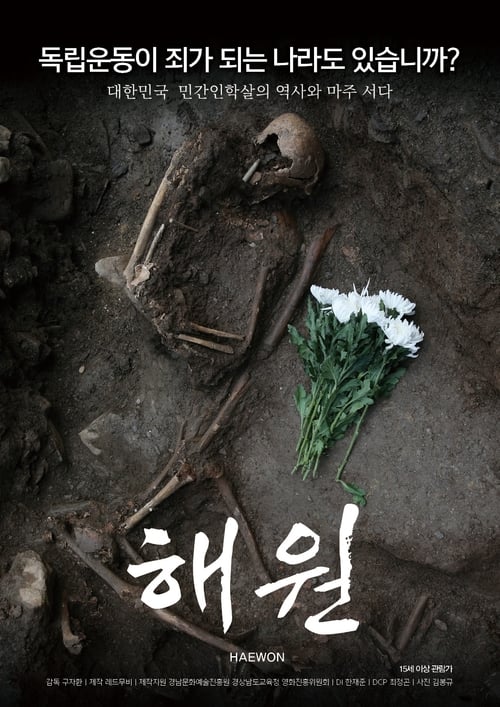
According to a survey by the U.S. military government in 1946, 78% of the South Korean people wanted socialism and only 14% capitalism. By appointing the pro-Japanese collaborators and the rightists, Rhee Syngman, who had not received the people's support, massacred those groups and civilians that were political stumbling blocks. In dealing with the Jeju 4.3 uprising in 1947 and the Yeosun incident in 1948 and The Korean War having broken out, massive civilian massacre became regularized.
2020
If you look into the entrance of one of the huge caves on the Korean island of Jeju, it looks like a camera lens. If you walk into the cave, it looks like a screen, a rectangle showing clouds and white light, just like a film. Director Kim Minjung delves into the bloody history of Jeju, where tens of thousands were killed in a massacre in 1948. The camera follows the traces in the landscape, sometimes transformed by a strident, distance-creating red light, accompanied by a commentary by avant-garde filmmaker Hollis Frampton. Film as a means to address history and its taboos.
2024
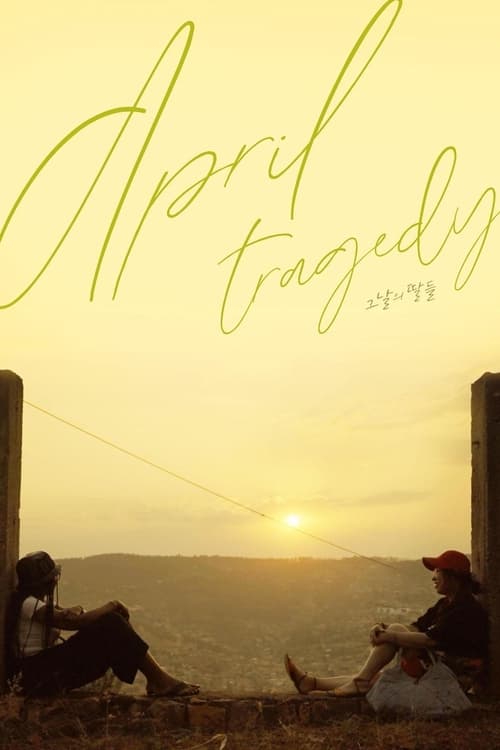
The oral writer of the April 3 Uprising and a Rwandan who came to Korea to study face each other, have a conversation, and then go on a trip hand in hand. The two people, from different generations, nationalities, and occupations, have something in common: they are the daughters of massacre survivors.
2022
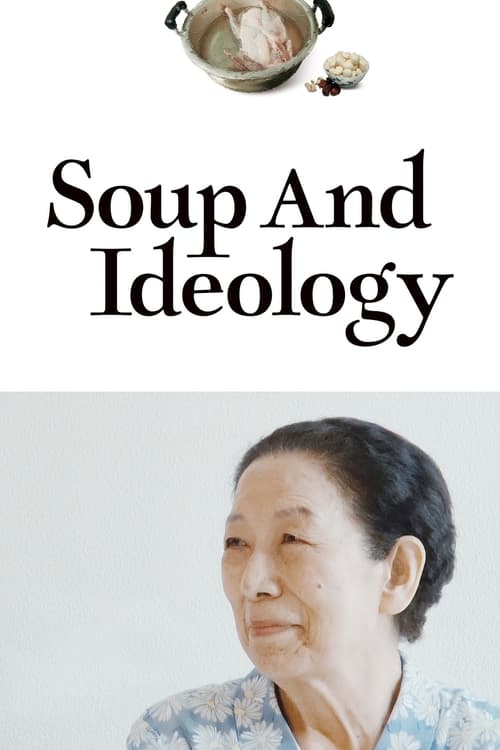
Confronting half of her mother’s life—her mother who had survived the Jeju April 3 Incident—the director tries to scoop out disappearing memories. A tale of family, which carries on from Dear Pyongyang, carving out the cruelty of history, and questioning the precarious existence of the nation-state.
There are five grandmothers, four of whom went to Jeonju Prison due to the Jeju 4.3. All of them were young people around the age of 20 at the time of the incident in 1948. The outline of the incident is formed when hearing the experiences of those who were sent to prison without trial particularly as women. The audience feels indescribable emotions by the fact that they have lived on despite what they had gone through, things that are just too much for a human being to bear.
2021
Immediately after liberation, an incident called 'Jeju Uprising' took place on Jeju Island, the Hawaii of Korea, under the control of the US military government. As a result, about one-tenth of the total population of the island at that time was sacrificed. The children who survived the massacre record the memories of that day in an animated film 70 years later.