2008
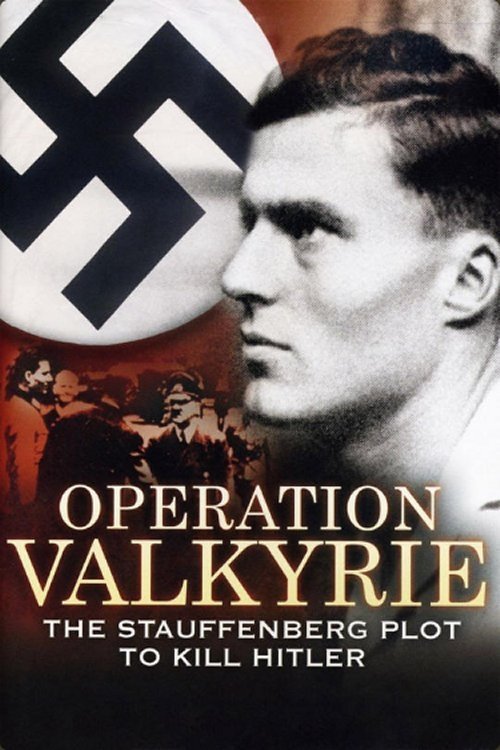
July, 1944. As WWII raged on, a group of conspirators, led by Claus von Stauffenberg, plotted to assassinate Hitler and end his reign of terror. Using rare color footage, painstakingly recreated dramatizations, detailed CG reconstructions and exclusive interviews with leading historians, this thrilling documentary presents the definitive record of what happened before, during and after these pivotal events.
1959
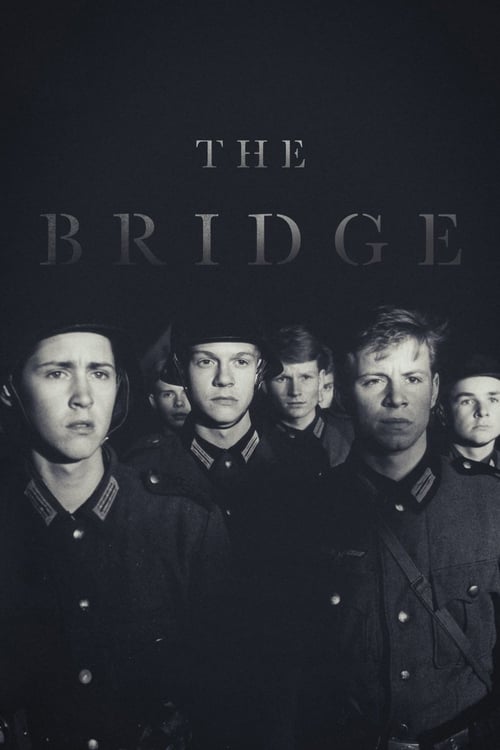
A group of German boys are ordered to protect a small bridge in their home village during the waning months of the second world war. Truckloads of defeated, cynical Wehrmacht soldiers flee the approaching American troops, but the boys, full of enthusiasm for the "blood and honor" Nazi ideology, stay to defend the useless bridge. The film is based on a West German anti-war novel of the same name, written by Gregor Dorfmeister.
2005
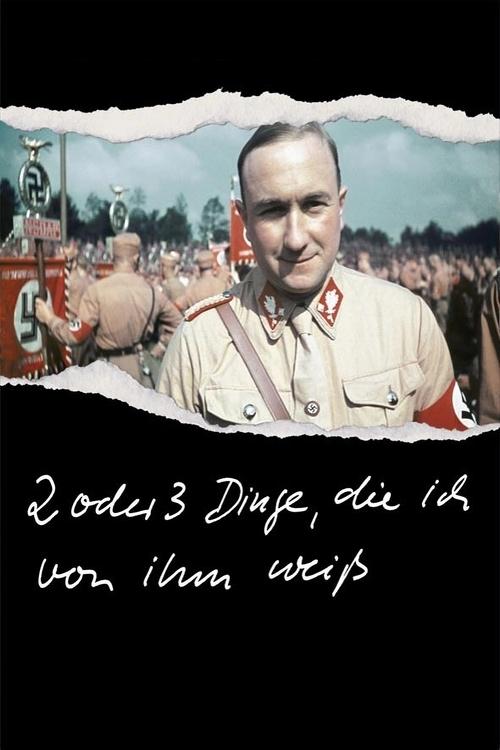
What would your family reminiscences about dad sound like if he had been an early supporter of Hitler’s, a leader of the notorious SA and the Third Reich’s minister in charge of Slovakia, including its Final Solution? Executed as a war criminal in 1947, Hanns Ludin left behind a grieving widow and six young children, the youngest of whom became a filmmaker. It's a fascinating, maddening, sometimes even humorous look at what the director calls "a typical German story." (Film Forum)
2011
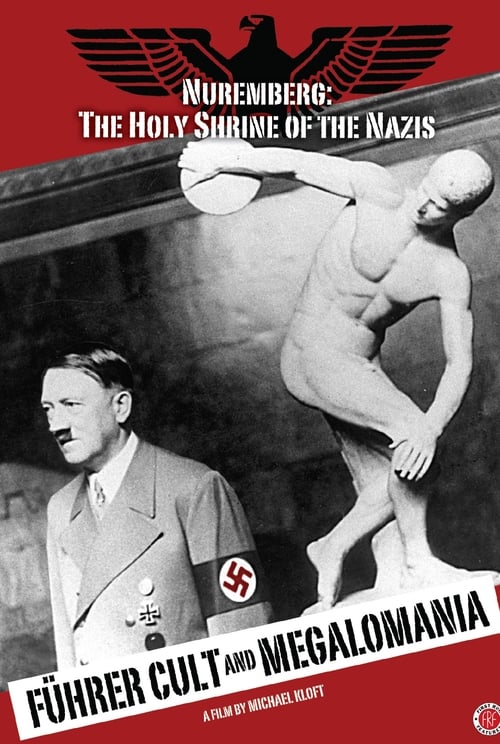
By early in the twentieth century, Nuremberg was regarded as the most anti-Semitic city in Europe. By 1929, Hitler had decided to make Nuremberg the "City of the Party Rallies" and a symbol representing the greatness of the German Empire. Even today, it is possible to see signs in Nuremberg of the megalomaniac proportions that the system was to assume.
1961
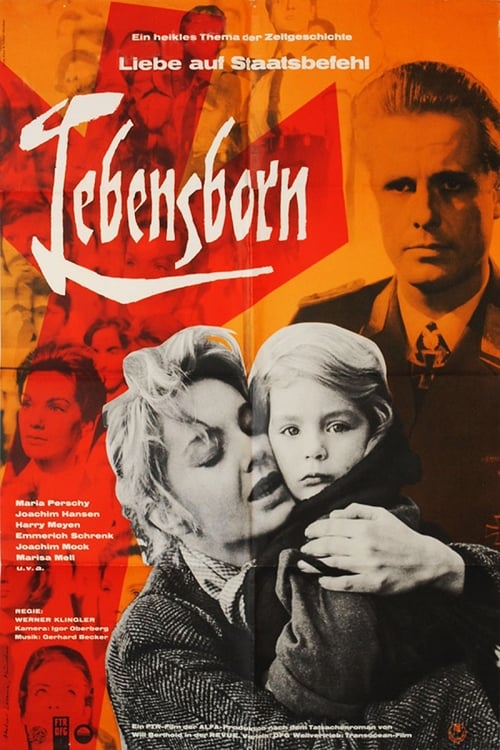
Revealing story about the mysterious Nazi organization "Lebensborn," which was intended to serve the SS in pursuing population policy and racial hygiene goals by systematically producing "hereditarily valuable" children. The film depicts an anti-Hitler Knight's Cross recipient with false papers who becomes a witness and victim of relevant events in a Lebensborn home, where 30 enthusiastic BDM girls and a number of SS hooligans and frontline soldiers have just moved in to "give the Führer a child."
2019
An account of the last two centuries of the Anthropocene, the Age of Man. How human beings have progressed so much in such a short time through war and the selfish interests of a few, belligerent politicians and captains of industry, damaging the welfare of the majority of mankind, impoverishing the weakest, greedily devouring the limited resources of the Earth.
1938
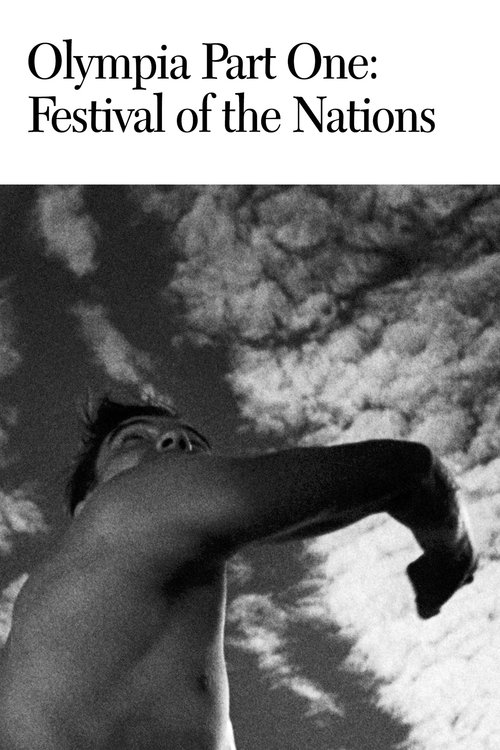
Starting with a long and lyrical overture, evoking the origins of the Olympic Games in ancient Greece, Riefenstahl covers twenty-one athletic events in the first half of this two-part love letter to the human body and spirit, culminating with the marathon, where Jesse Owens became the first track and field athlete to win four gold medals in a single Olympics.
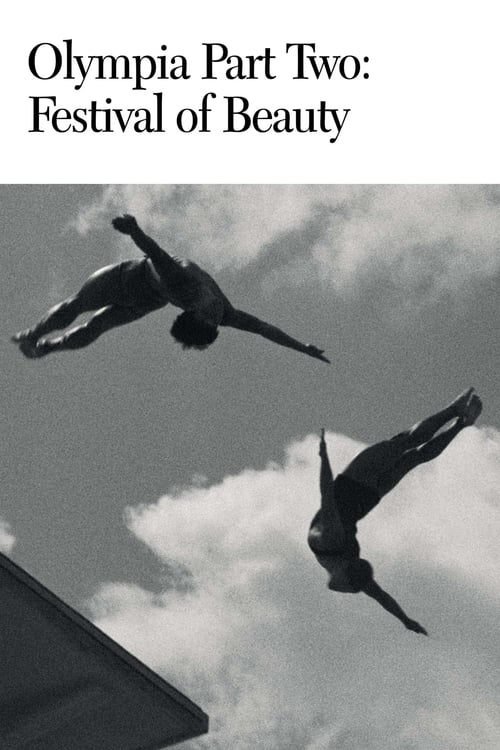
Part two of Leni Riefenstahl's monumental examination of the 1938 Olympic Games, the cameras leave the main stadium and venture into the many halls and fields deployed for such sports as fencing, polo, cycling, and the modern pentathlon, which was won by American Glenn Morris.