1962
2015
If Only I Were That Warrior is a feature documentary film focusing on the Italian occupation of Ethiopia in 1935. Following the recent construction of a monument dedicated to Fascist general Rodolfo Graziani, the film addresses the unpunished war crimes he and others committed in the name of Mussolini’s imperial ambitions. The stories of three characters, filmed in present day Ethiopia, Italy and the United States, take the audience on a journey through the living memories and the tangible remains of the Italian occupation of Ethiopia — a journey that crosses generations and continents to today, where this often overlooked legacy still ties the fates of two nations and their people.
2018
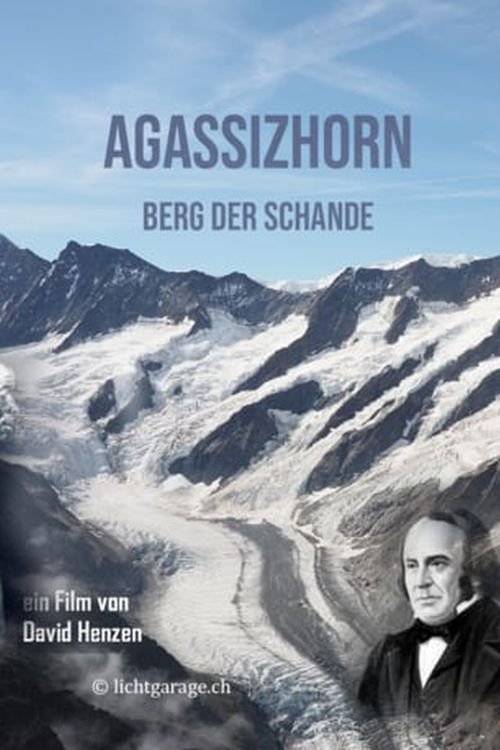
In the Bernese Alps, the Agassizhorn peak memorialises Louis Agassiz – a controversial 19th-century scientist, who not only named the mountain after himself, but who claimed he had discovered the Ice Age and went on to become one of the century's most virulent, most influential racists.
2019
How African artists have spread African culture all over the world, especially music, since the harsh years of decolonization, trying to offer a nicer portrait of this amazing continent, historically known for tragic subjects, such as slavery, famine, war and political chaos.
2023
Made from reimagined/recycled images and sounds from the filmmaker’s archive and other found materials, Undercurrents is a poetic essay documentary about the undercurrents of history playing out in the present. It is also (at its heart) about the power of resistance.
1999
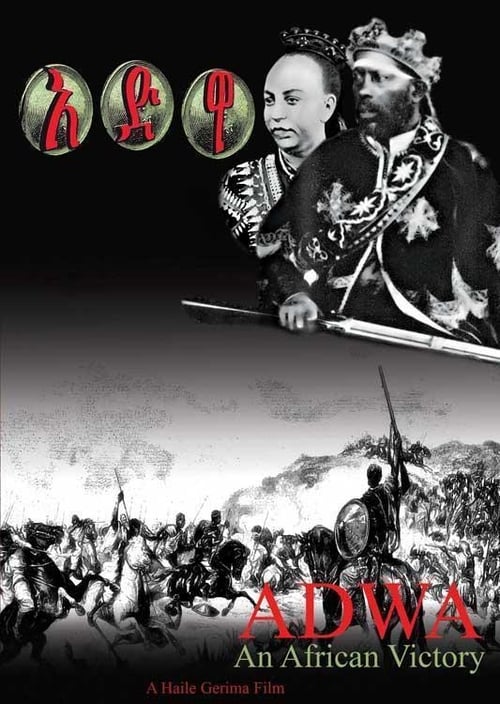
In 1896, Ethiopia, an African nation, largely armed with spears and knives, defeats a well-equipped and organized Italian military bent on colonization.
Following the 1884–85 Berlin Conference resolution on the partition of Africa, the Portuguese army uses a talented ensign to register the effective occupation of the territory belonging to the Cuamato people, conquered in 1907, in the south of Angola. A STORY FROM AFRICA enlivens a rarely seen photographic archive through the tragic tale of Calipalula, the Cuamato nobleman essential to the unfolding of events in this Portuguese pacification campaign.
1996
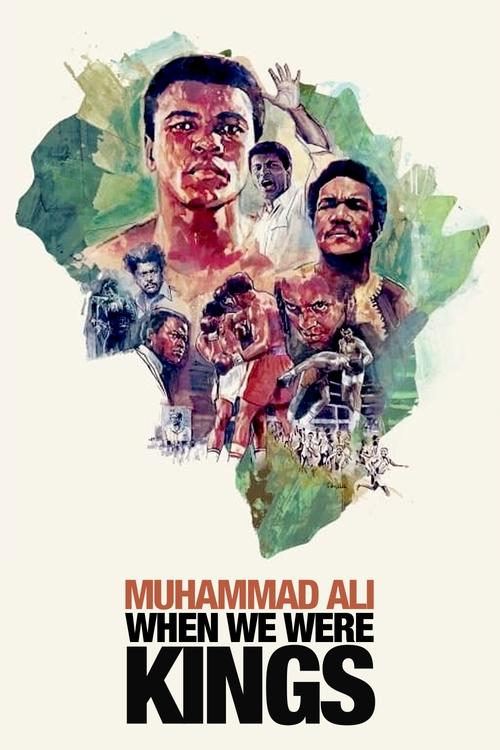
It's 1974. Muhammad Ali is 32 and thought by many to be past his prime. George Foreman is ten years younger and the heavyweight champion of the world. Promoter Don King wants to make a name for himself and offers both fighters five million dollars apiece to fight one another, and when they accept, King has only to come up with the money. He finds a willing backer in Mobutu Sese Suko, the dictator of Zaire, and the "Rumble in the Jungle" is set, including a musical festival featuring some of America's top black performers, like James Brown and B.B. King.
2021
Pilot JP Schulze and filmmaker Louis Cole set off to circumnavigate the world in a single-engine, 1974 Cessna T210L airplane named Balloo. They had 90 days to complete the journey, and as they traveled they met people from many different cultures and asked them - is what divides us greater than what brings us together?
2007
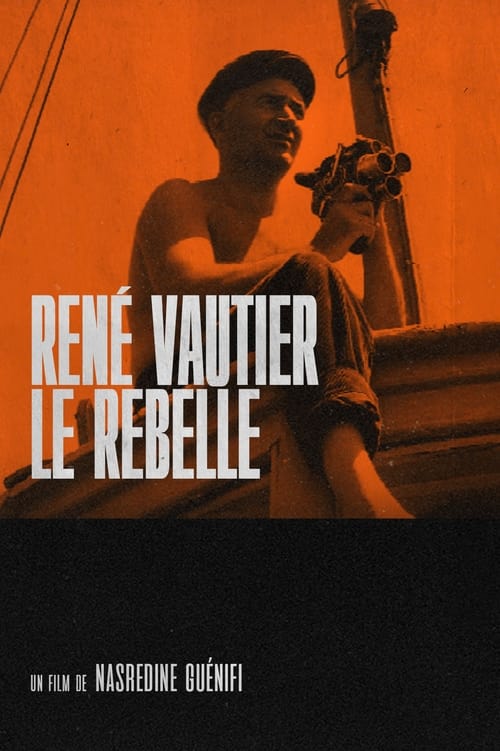
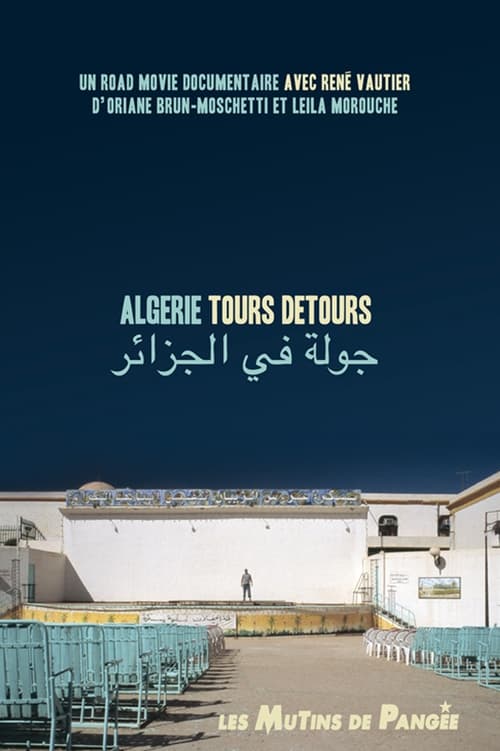
A documentary road movie with René Vautier In the aftermath of Algeria's independence, René Vautier, a militant filmmaker, considered "the dad" of Algerian cinema, set up the cine-pops. We recreate with him the device of itinerant projections and we travel the country in ciné-bus (Algiers, Béjaïa, Tizi Ouzou, Tébessa) to hear the voices of the spectators on the political situation, youth and living conditions of men and Of women today.
2020
With a forensic lens, Onyeka Igwe's A So-Called Archive interrogate the decomposing repositories of Empire. Blending footage shot over the past year in two separate colonial archive buildings - one in Lagos, Nigeria, and the other in Bristol, United Kingdom - this double portrait considers the 'sonic shadows' that colonial images continue to generate, despite the disintegration of the memory and their materials. It mixes the genres of the radio play, the corporate video tour and detective noir, with a haunting and critical approach to the horror of discovery.
2026
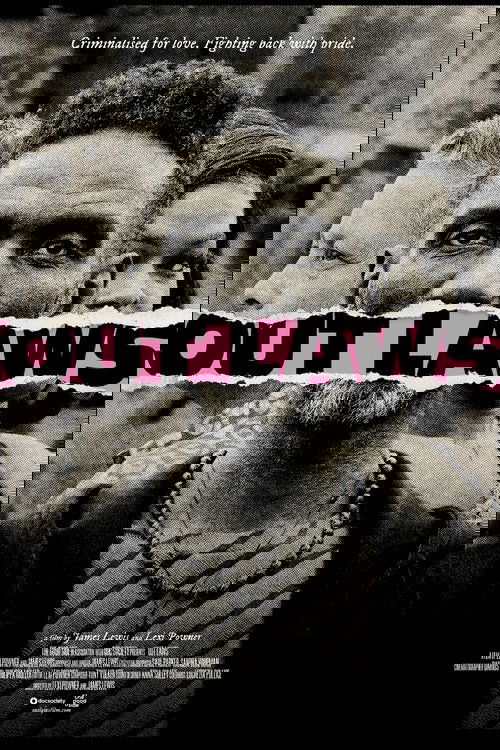
A powerful documentary that follows gay Namibian activist Friedel Dausab as he challenges his country’s criminalisation of same-sex love. In June 2022, Friedel files a landmark lawsuit against the government, becoming a beacon of hope for LGBTQIA+ Namibians seeking safety and equality. Facing death threats, public hostility, and immense personal risk, he takes his fight to court while awaiting judgment. The film also traces the colonial roots of queer criminalisation—from Tudor England to its export across the Global South through empire and later reinforced by Christian evangelism. Alongside fellow activists from Sri Lanka and Barbados, Friedel travels to London, where history, protest, and Pride converge. Blending legal battle with historical insight, the documentary is both an urgent exposé of injustice and a stirring celebration of queer resilience, courage, and resistance.