2006
Buddha's Lost Children is a feature-length documentary film about a Thai Buddhist monk who, armed only with his master boxing skills, wages an inspirational battle to help orphaned children, fight drug abuse, and preserve a vanishing way of life.
2024
Here, where even monsters are political, the topography has its own memory. It has the mythological blues. Meanwhile, old gods are upset with us, and I am upset with my father.
2012
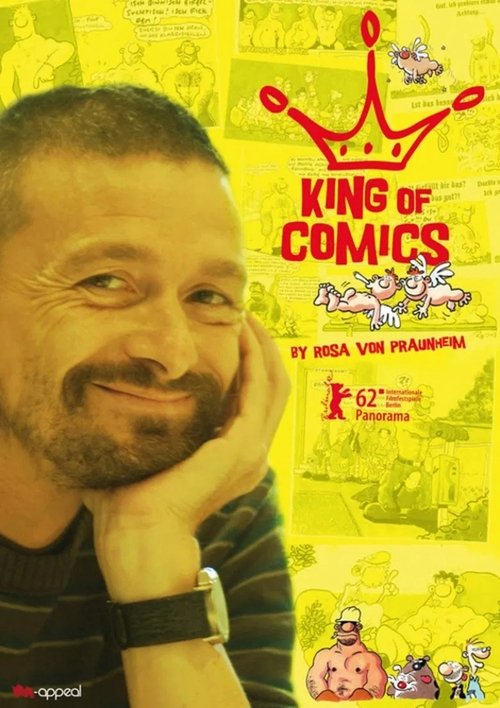
You may not recognize the name Ralf König, but you probably recognize his art. One of the most commercially successful German comic book creators, he is best known for books like “SchwulComix (GayComix)” that offer a twisted take on queer culture. Equal parts Tom of Finland and R. Crumb, König’s comics are sexually charged and often politically incorrect, portraying daily routines of gay life alongside serious subjects like AIDS. King of Comics is a touching portrait of a cutting-edge artist with a wicked sense of humor. All hail the king! —Jimmy Radosta
2011
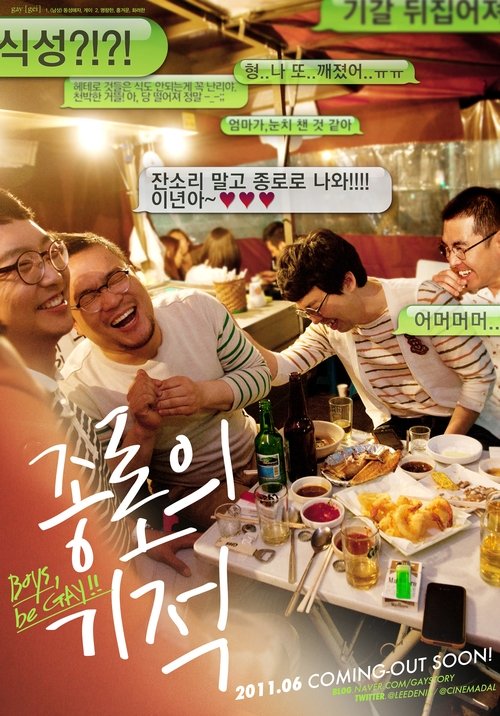
A story about 4 gay men who try to lead a normal life in Korea, the conservative and harsh country for LGBT in Asia. In the middle of making a queer film Jun-moon, a director, loses his self-confidence due to social scrutiny regarding his sexual orientation. Byung-gwon, a gay rights activist, has been participating in movements to establish equal rights for homosexual laborers. Young-soo, a chef who moved from the countryside 15 years ago, lived a lonely life but he finds happiness after joining a gay choir. Yol, who works for a major company, dreams of the day him and his partner, can have a legal wedding with overcoming the prejudice against people living with HIV/AIDS.
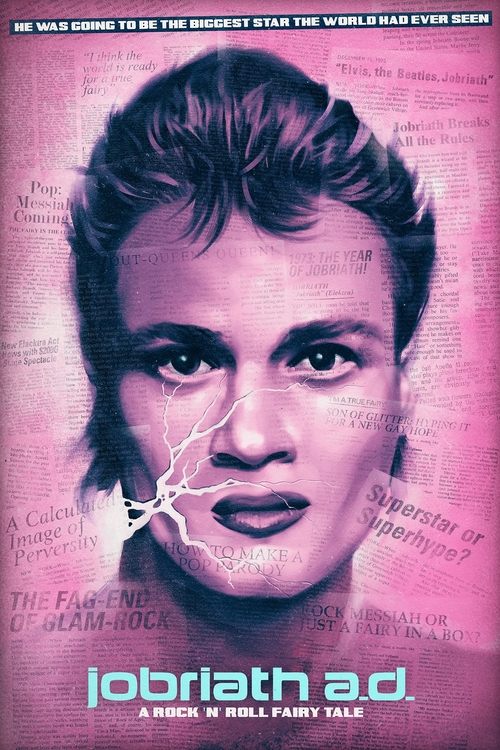
Called "The American Bowie," "The True Fairy of Rock & Roll" and "Hype of the Year," Jobriath's reign as the first openly gay rock star was brief and over by 1975. Now, 35 years later, "Jobriath A.D." spotlights his life, music, groundbreaking influence and the new generations of fans slowly re-discovering him.
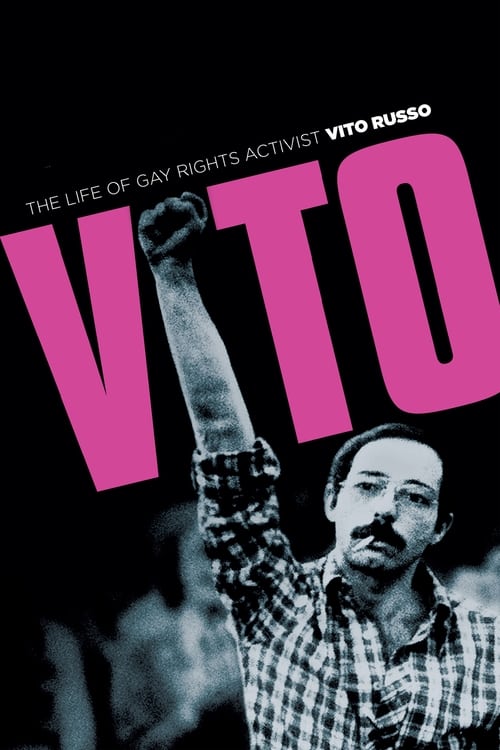
In the aftermath of Stonewall, a newly politicized Vito Russo found his voice as a gay activist and critic of LGBTQ+ representation in the media. He went on to write "The Celluloid Closet", the first book to critique Hollywood's portrayals of gays on screen. During the AIDS crisis in the 1980s, Vito became a passionate advocate for justice via the newly formed ACT UP, before his death in 1990.
2010
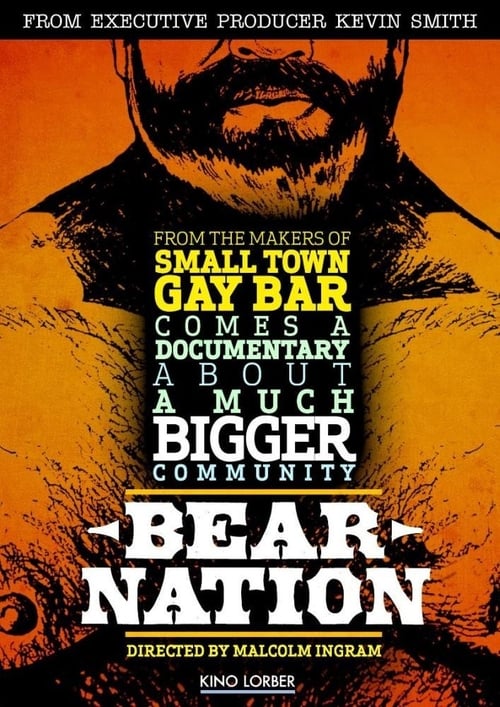
Filmmaker Malcolm Ingram takes you on a fascinating journey inside a fast growing segment of the gay community where what was once a perceived negative is now redefining the definition of what it looks like to be gay.
2007
The high society court case that scandalised the mores of the day, electrified the nation and changed the course of British history.
1998
In 1995, Kelli Peterson started a gay and straight club at her Salt Lake City high school. The story of her ensuing battle with school authorities in interspersed with looks back at the diary of Michael Wigglesworth, a 17th-century Puritan cleric, at the 30-year love affair of Sarah Orne Jewett and Annie Adams Fields, at Henry Gerber's attempt after World War I to establish a gay-rights organization, at Bayard Rustin's role in the civil rights movement, and at Barbara Gittings' taking on of the American Psychiatric Association's position that homosexuality is illness. One person comments, "To create a place for ourselves in the present, we have to find ourselves in the past."
Over the course of a year, film follows Vancouver Pride Society president Ken Coolen to various international Pride events, including Poland, Hungary, Russia, Sri Lanka and others where there is great opposition to pride parades. In North America, Pride is complicated by commercialization and a sense that the festivals are turning away from their political roots toward tourism, party promotion and entertainment. Christie documents the ways larger, more mainstream Pride events have supported the global Pride movement and how human rights components are being added to more established events. In the New York sequence, leaders organize an alternative Pride parade, the Drag March, set up to protest the corporatization of New York Pride. A parade in São Paulo, the world's largest Pride festival, itself includes a completely empty float, meant to symbolize all those lost to HIV and to anti-gay violence.
In the midst of a catastrophic steel industry collapse, a remarkable grassroots community effort leads to a national healthcare program that helps more than 200 million children...and counting.
1980
This highly controversial documentary, aired as part of the CBS Reports series, ostensibly covers the growing influence of the LGBT community in San Francisco circa 1979. Critics have rebuked the program for its characterization of the sexual practices of gay men, while organizations such as the Moral Majority referenced it in campaigns against gay rights ordinances.