1938
Nazi Third Reich propaganda film that used architecture as a statement about "racial accomplishment," and so called "racial superiority." Hitler claimed that between 1934 and 1940, the Nazi rule of Germany had produced architectural uniqueness, and this film was produced to shown to attempt to validate that. The opening montage gives a survey of earlier Gothic and Baroque structures in the country as an example of "architectural superiority" that the German race was said to be the sole inventor of; then moves on to deride the recent construction of the Bauhaus school (with a racially motivated score of Jazz music) and an example of German "architectural decay." Then proceeds to show off buildings constructed by the Nazi and an architectural revival, to "last 1000 years," Film also spends a great of time dwelling on massive and "busy" monuments that had been erected all over the county.
1989
In the same vein as Meri's other documentations, this one takes advantage of the glasnost policy to discuss the social and ecologic impact of the Russian oil industry on the natives and the lands they inhabit.
1979
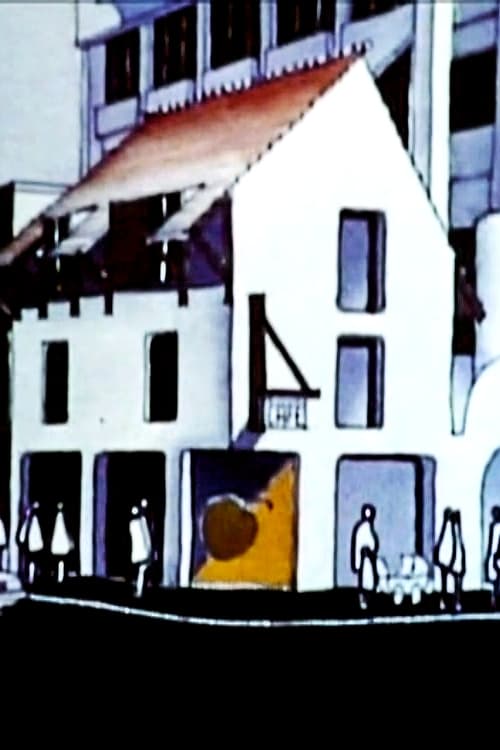
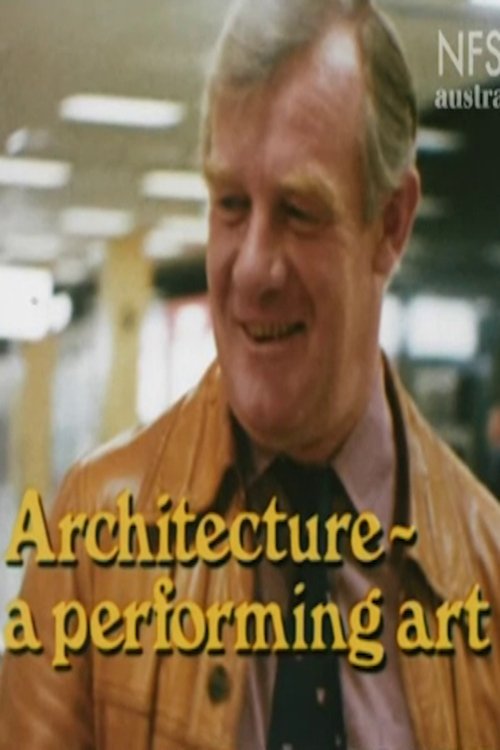
This is the story of John Andrews, world-famous Australian architect. In the mid-1960s, when only 29, Andrews was commissioned to design Scarborough College at Toronto University. One of the world’s first ‘megastructures’, it was an important experiment in urban and educational planning. Andrews also designed the Canadian National Tower in Toronto, which was the tallest freestanding structure in the world at the time it was built.
2020
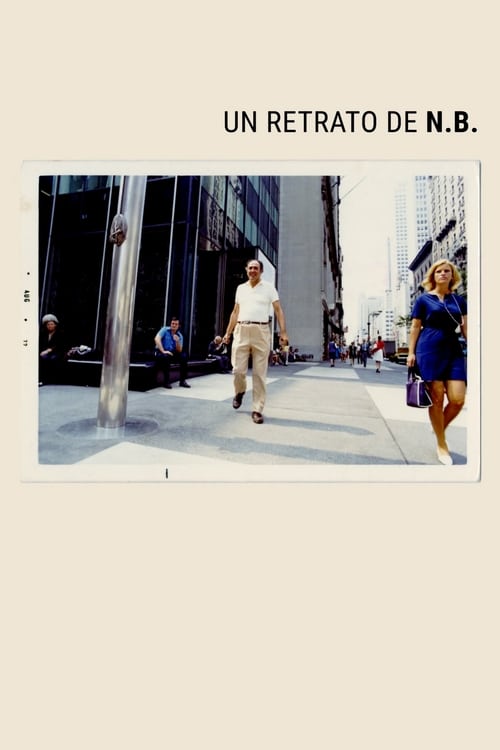
Through his own photographs, the Basque artist Néstor Basterretxea (1924-2014) is portrayed by the art critic and exhibition curator Peio Aguirre, a great connoisseur of his work and personal archives.
Through the story of a mason in Djenne, Komusa Tenapo, and his family, this documentary examines an African tradition of mud architecture in Mali. The environmental genius of these ancient construction techniques—thick walls with tiny windows that keep the interiors cool despite the stifling heat—is expressed in strikingly beautiful designs that have won the town of Djenne designation as a World Heritage site.
2001
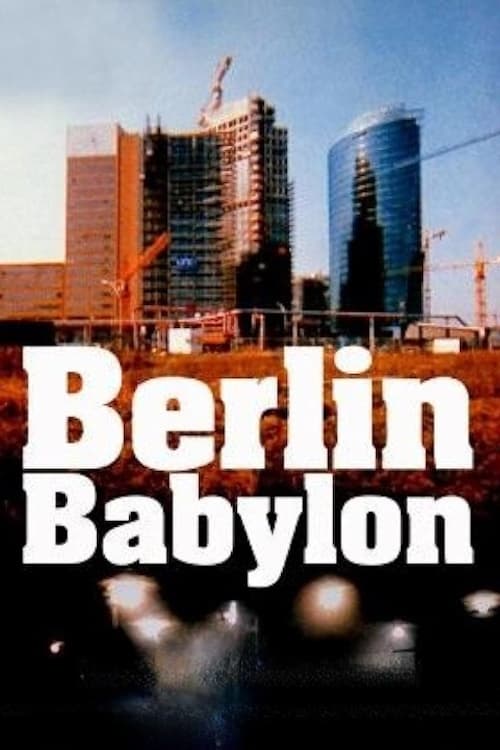
A documentary focusing on the rebuilding projects in Berlin after the fall of the Berlin Wall.
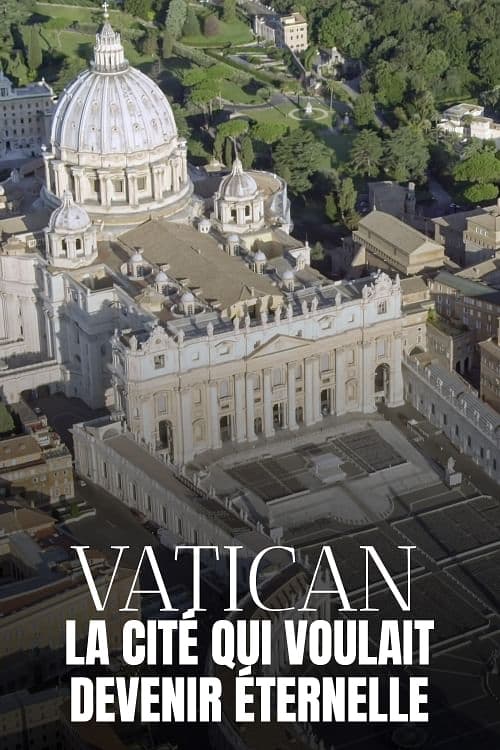
What started as a simple tomb became over a 2,000 years history the universal seat of Christendom and is today one of the most visited museum in the world with invaluable collections of Arts, Manuscripts, Maps. Using spectacular 3D modelisation and CGI to give viewers as never before a true understanding of the history of this architectural masterpiece and its extensions, the film will also use animation to tell relevant historical events. This heritage site reveals new untold secrets with the help of historians deciphering the Vatican’s rich archives and manuscripts collection and following the restorations at work (newly discovered frescoes by Raphael) and recent excavations. A story where Religion, Politics, Arts and Science meet to assert religious authority and serve as a spiritual benchmark.
2024
World-renowned Drag Queen Miz Cracker helps a Texas family that’s experiencing strange occurrences after renovating their 1892 home. As a lover of the paranormal, can Miz Cracker solve their ghost problem and help them coexist peacefully with the spirits?
What’s it like to dedicate your life to work that won’t be completed in your lifetime? Fifteen years ago, filmmaker David Licata focused on four projects and the people behind them in an effort to answer this universal question.
On December 9, 2019, New Zealand's most active volcano erupted, engulfing 47 day trippers in a toxic ash cloud. 21 lost their lives that day and in the following weeks. Whakaari: A Heroes' Story paints a picture of the chaos and the bravery, and the complex rescue mission to save those stranded on the island.
1968
In 1967, de Andrade was invited by the Italian company Olivetti to produce a documentary on the new Brazilian capital city of Brasília. Constructed during the latter half of the 1950s and founded in 1960, the city was part of an effort to populate Brazil’s vast interior region and was to be the embodiment of democratic urban planning, free from the class divisions and inequalities that characterize so many metropolises. Unsurprisingly, Brasília, Contradições de uma Cidade Nova (Brasília, Contradictions of a New City, 1968) revealed Brasília to be utopic only for the wealthy, replicating the same social problems present in every Brazilian city. (Senses of Cinema)
2023
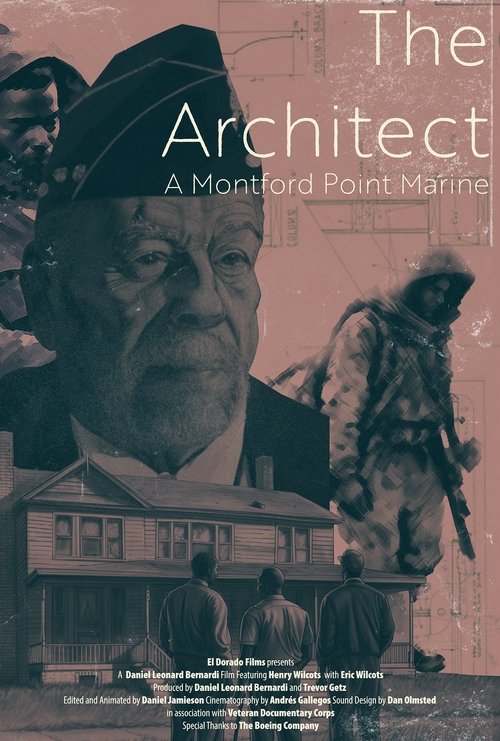
In this dynamic and dramatic short film, an African American veteran takes us on an extraordinary journey through his life. From a chance visit to the Pentagon, to growing up in a vibrant integrated neighborhood, his story is one of resilience and inspiration. Fueled by the determination to seize educational opportunities, he enlists just in time to experience the racial divisions of his era before Truman desegregates the military. Thrust into the brutality of the Korean War, the weight of combat becomes an indelible part of his soul. Returning home, he embarks on a new path as an architect and discovers unexpected connections in far-off Pakistan. As his family expands, his sons reflect on the man who raised them and the legacy he instilled. This film unearths the essence of the Black experience in the early 20th century, paints a vivid portrait of the Chosin Reservoir, and unravels the intricate tapestry of race, family, and personal growth.