1948
A newspaper reporter and the daughter of an immigrant maintenance man help expose political corruption in New York City.
1978
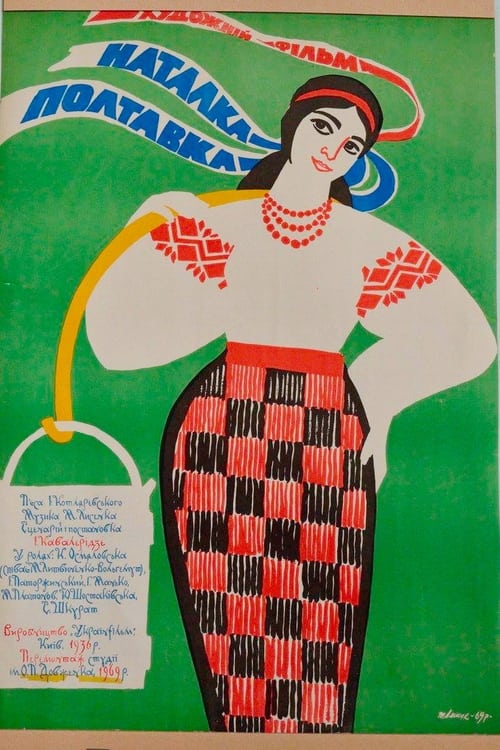
An iconic Ukrainian play of the same name meets TV.
1973
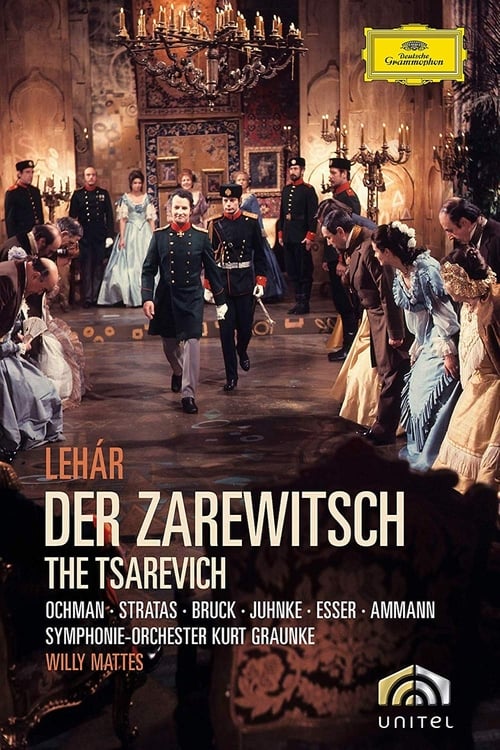
Lehar romantic operetta set in Russia about a beautiful dancer who is set up to attract a tsar's son, and they fall in love. Beautiful settings and wonderful music.
1974
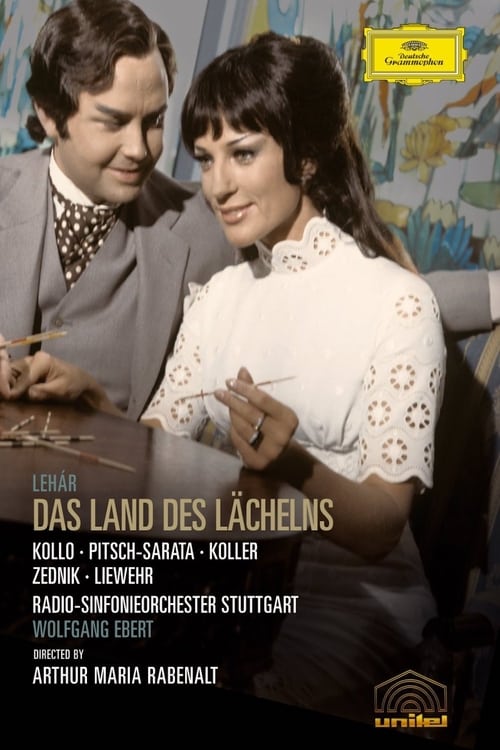
Lehar's The Land of Smiles touches the heart as it provides unforgetable melodies from start to finish. There are no weak links in the cast. Too often, we think of operetta as musical fluff, tired cliches, and obligatory dance scenes when things start slowing down. Not so in this classic operetta. We feel the pain of loss suffered by the two main characters, who make their roles natural and believable. There is more to this work than "Yours Is My Heart Alone." There is dramatic consistency and people you find yourself caring about as much as the music, the costumes, and the colorful sets.
1984
When Barbe-bleue loses his fifth wife, the turbulent Boulotte is selected at random to be the next one. But Barbe-Bleue falls in love with Hermia – who loves the shepherd Saphir – and soon wearies of Boulotte. So, he asks his alchemist to concoct for him an “anti-wife” philtre. But, as on the previous occasions, it is merely a sleeping potion and Boulotte wakes up the other five “dead” wives. They reappear, dressed up as gypsies and bring the truth to light.
1972
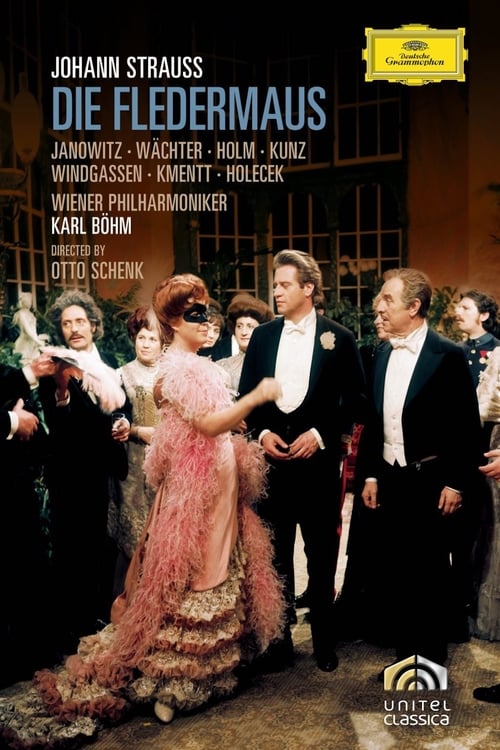
Witty, fun, intoxicating film of Johann Strauss II's popular operetta, based on a stage production from Vienna State Opera; this is a showcase for the entire cast, but most especially Eberhard Wächter as the insufferably boorish Gabriel Eisenstein, and Gundula Janowitz as his long-suffering wife. Open the champagne, have yourself some torte, and enjoy this delectable comedy from Vienna.
1969
The Duke arrives in Venice. Senator Delacqua fears being cuckolded, so he sends his wife away. When he finds out that the Duke wants to hire a court administrator, he sends his cook instead of his wife to meet the Duke. Meanwhile, Annima, who is a fisherman's daughter, arrives at the Duke's residence as Delacqua's wife. Delacqua's real wife is staying with her husband's nephew, who is also her lover. Annima's and the cook's boyfriends also appear on stage. They want to please the Duke, but at the same time, they don't want anything to happen to their girlfriends.
1935
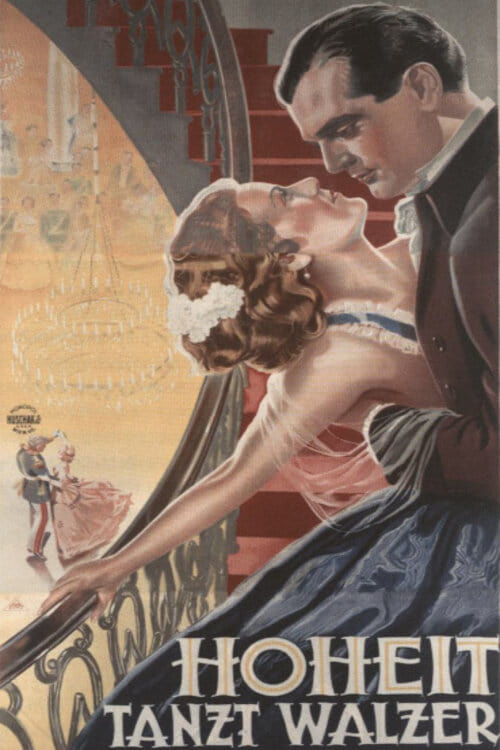
The young musician and composer Josef lives with Beethoven's music copyist in Grinzing. In the evenings, he plays for dances in the Prater, often his own melodies, although he doesn't make much effort to spread them, as they're almost all waltzes, a dance not well-regarded in high society because they're too sweaty. When one evening a lively princess—fresh from the convent—mingles incognito with the Prater crowd and falls in love with the dashing conductor Josef, an entire cultural system of values begins to crumble.
1929
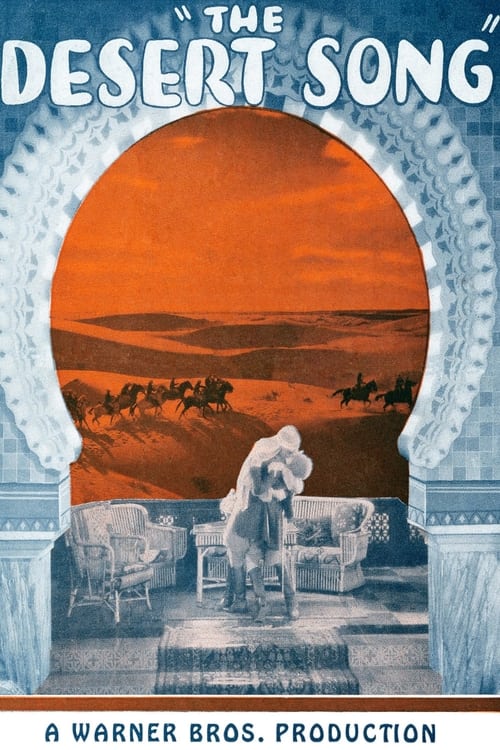
French General Birabeau has been sent to Morocco to root out and destroy the Riffs, a band of Arab rebels, who threaten the safety of the French outpost in the Moroccan desert. Their dashing, daredevil leader is the mysterious "Red Shadow". Margot Bonvalet, a lovely, sassy French girl, is soon to be married at the fort to Birabeau's right-hand man, Captain Fontaine. Birabeau's son Pierre, in reality the Red Shadow, loves Margot, but pretends to be a milksop to preserve his secret identity. Margot tells Pierre that she secretly yearns to be swept into the arms of some bold, dashing sheik, perhaps even the Red Shadow himself. Pierre, as the Red Shadow, kidnaps Margot and declares his love for her.
1930
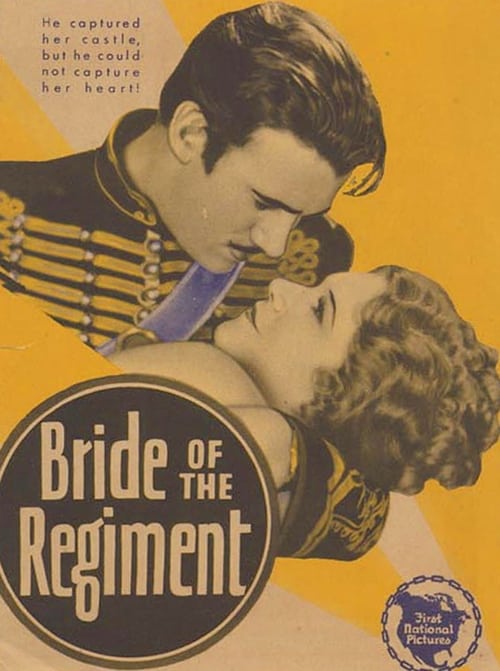
As they are leaving the church following their wedding, Count Adrian Beltrami and Countess Anna-Marie are told that the Austrians are marching on the town to quell an Italian uprising. The bride and relatives induce the count to flee to his castle, but Tangy, a silhouette cutter, brings word from the revolutionary committee asking him to return; the count goes, asking Tangy to pose as the count and protect Anna-Marie.
2003
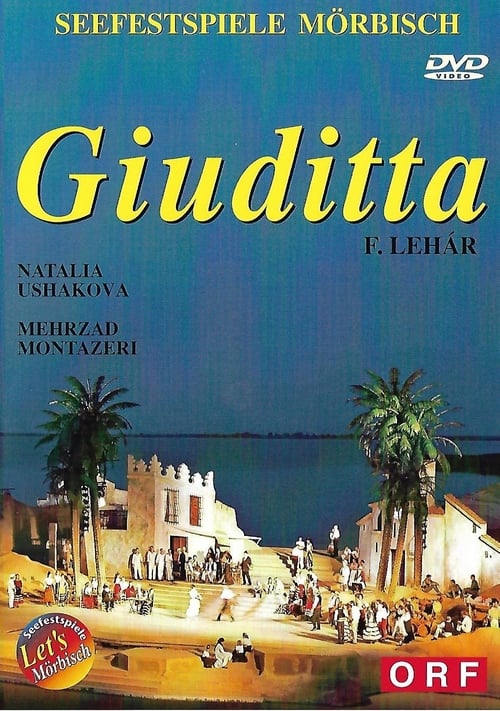
Austrian composer Franz Léhar's opera Giuditta receives a unique interpretation by the Seefestspiele Mörbisch in this stage production, which stars Natalia Ushakova and Mehrzad Montazeri as the principal leads. The Morbisch Festival Orchestra accompanies the production, while the Chorus and Ballet of the Seefestpiele Mörbisch lend added support.
1932
Out of unlikely circumstances an underground ticket vending girl and a mail pilot fall in love.