2018
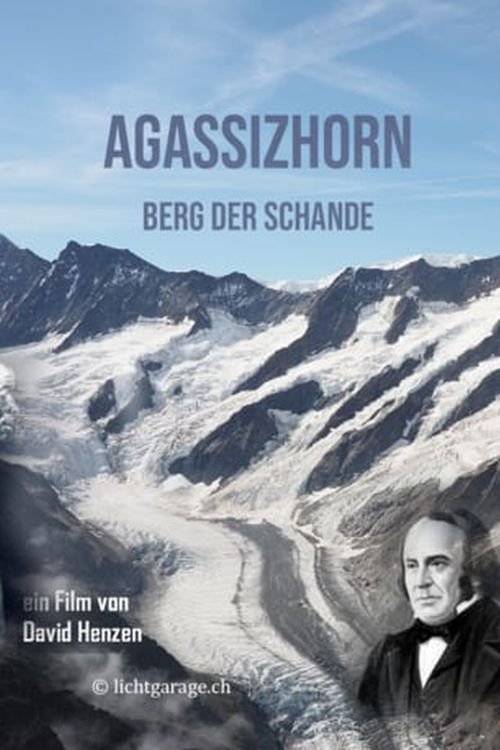
In the Bernese Alps, the Agassizhorn peak memorialises Louis Agassiz – a controversial 19th-century scientist, who not only named the mountain after himself, but who claimed he had discovered the Ice Age and went on to become one of the century's most virulent, most influential racists.
2009
Every year, an estimated 800,000 persons are trafficked across international borders and forced into sexual or labour servitude. Estimates are that as many as 32 million people yearly are held in slave-like conditions for sexual or labour exploitation, 2.4 million of these individuals as a result of being trafficked. They are promised good jobs or pay, but end up forced into prostitution or working in servitude for no pay. They are emotionally and physically brutalized, starved, forced to work extremely long hours, stripped of their passports and locked away, and eventually discarded or worse, murdered. Eight years after the United Nations established the Palermo Protocol to Prevent, Suppress and Punish Trafficking in Persons, "Fatal Promises" offers a comprehensive look at the realities on the ground versus the rhetoric of today.
2014
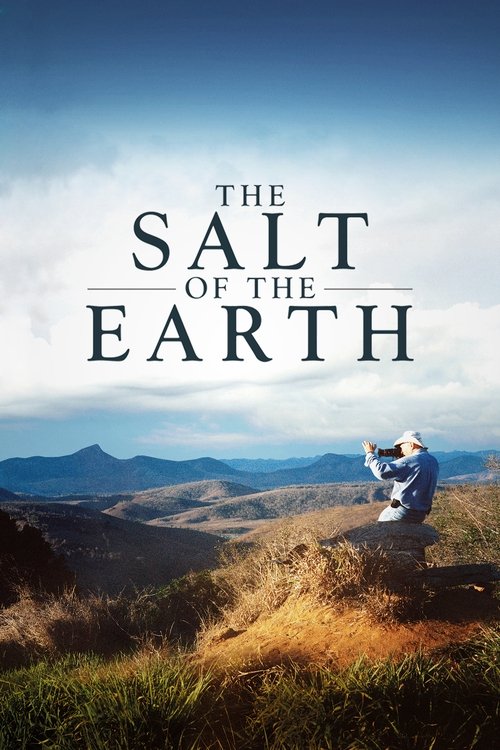
During the last forty years, the photographer Sebastião Salgado has been travelling through the continents, in the footsteps of an ever-changing humanity. He has witnessed the major events of our recent history: international conflicts, starvations and exodus… He is now embarking on the discovery of pristine territories, of the wild fauna and flora, of grandiose landscapes: a huge photographic project which is a tribute to the planet's beauty. Salgado's life and work are revealed to us by his son, Juliano, who went with him during his last journeys, and by Wim Wenders, a photographer himself.
2025
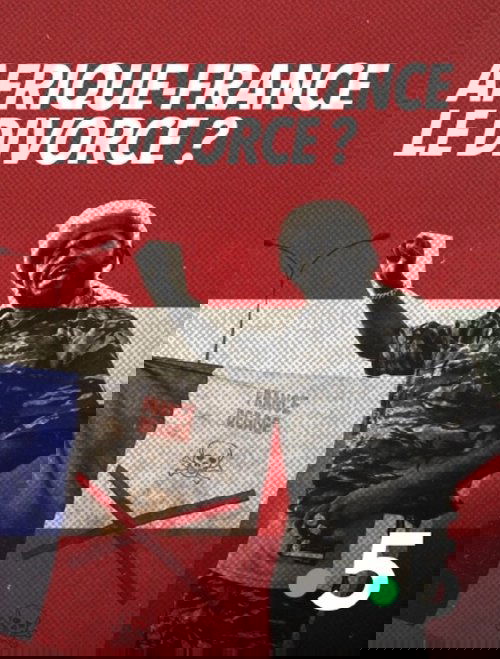
At a time when French flags are being burned and French embassies targeted, this documentary delves into the growing disaffection between French-speaking Africa and the former colonial power. Through the voices of African leaders, pan-African activists, and committed young people, the film questions the persistence of a relationship marked by the aftermath of colonization, the opaque agreements of "Françafrique," and a military presence deemed paternalistic.
2010
A team of journalists investigate how human trafficking and child labor in the Ivory Coast fuels the worldwide chocolate industry. The crew interview both proponents and opponents of these alleged practices, and use hidden camera techniques to delve into the gritty world of cocoa plantations.
2024
One of the most important events in Brazilian history, the Búzios Revolt of 1798 was led by dozens of black men who rose up to overthrow the colonial government, proclaim independence and establish a democratic Republic, free from slavery. The boldness of these men called on the people to make the Revolution and the conspiracy spread to the city of Bahia. The seizure of power is near. But the movement is denounced, the government sets up a Devassa against hundreds of people and four of them are hanged and quartered.
2016
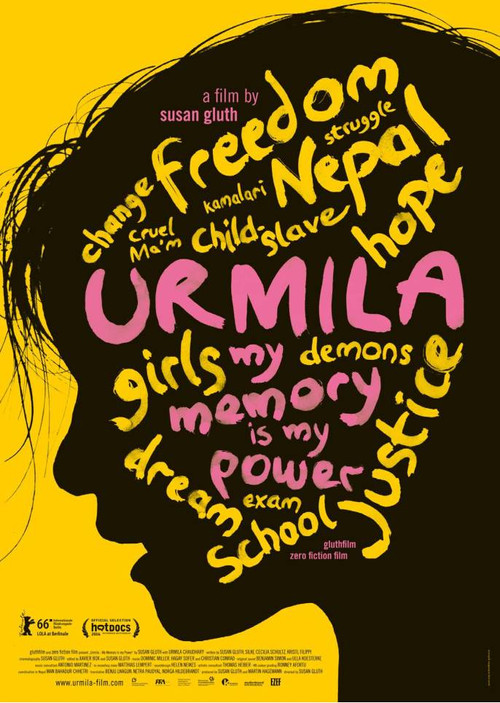
The film tells the story of 25-year-old Urmila Chaudary from Nepal. At the age of six she was sold by her family and was forced to work as a slave under appalling conditions for 12 years. Her dream is to end child slavery in Nepal. To this end she fights today as a freedom activist. A film about the quest for justice with a strength that gives courage and hope.
1964
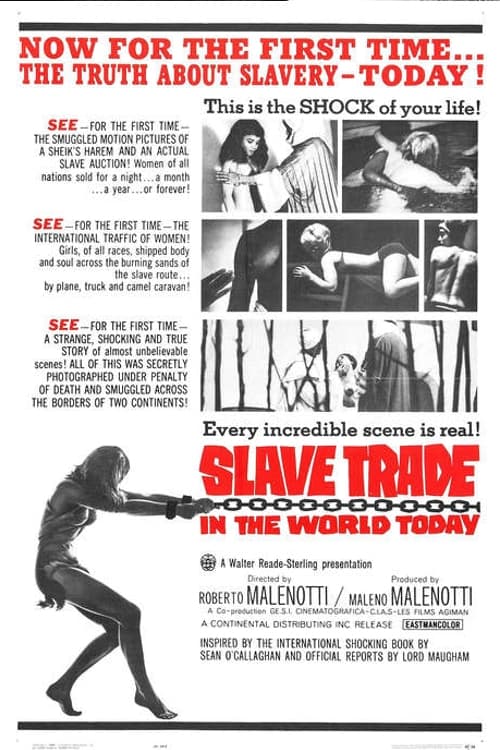
The film documents modern slave trade through a number of African countries, under dictatorship rule. The filming was conducted both in public places, and sometimes with the use of hidden cameras, for high impact scenes of nudity, sex, and violence - and a few surprises, as slaves made out of peregrins to Asia, and slave traders paid in traveller checks.
2008
African American filmmaker David A. Wilson decided to look into his family's history during the slave era. The result is this documentary, which provides a unique perspective on the long shadow cast by slavery in America. Wilson travels to North Carolina to visit the plantation where his ancestors once toiled and to meet its current owner -- a white man named David Wilson, whose slave-owning ancestors originally occupied the property.
A moving recording of the late writer and renowned jazz singer Abbey Lincoln is captured in this new film from Brooklyn-born director Rodney Passé, who has previously worked with powerhouse music video director Khalil Joseph. Reading from her own works, Lincoln’s voice sets the tone for a film that explores the African American experience through fathers and their sons.
2022
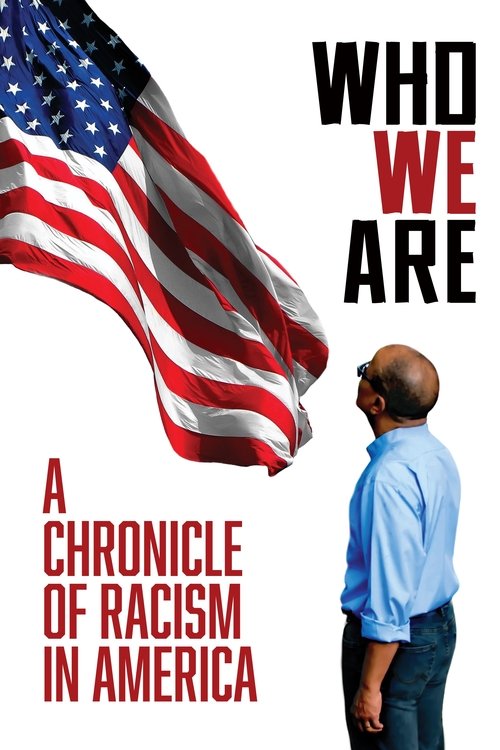
Jeffery Robinson's talk on the history of U.S. anti-Black racism, with archival footage and interviews.
In the eighteenth century, the family of BBC World News anchor and correspondent, Laura Trevelyan, were absentee slave owners on the island of Grenada, profiting for years from the sale of sugar harvested from five different sugar cane plantations. When slavery was abolished in 1834, the UK government paid compensation to slave owners, but the enslaved received nothing. In the wake of the racial reckoning in America following the death of George Floyd, Grenada's national commission on reparations for slavery has begun to meet and debate what reparations means. In this film, Laura she travels to Grenada to try and learn more about the legacy of slavery on Grenada and her family's involvement in the slave trade.