2016
What happens when 300 lesbians from around the world attend the largest United Nations conference? How did two busloads of lesbians headed to an underground nightclub help spark the birth of a lala (LBT) movement in China? At the 1995 Fourth World Conference on Women in Beijing, the first ever lesbian tent at an UN NGO Forum was created. Emerging from hidden shadows of shame and invisibility, Chinese lalas began a hard-fought path of deliverance from themselves, from family, and from an apprehensive environment. In doing so, they sought empowerment and change as they explored concepts and issues from self-affirmation to rights consciousness. The film powerfully moves forward to the present day and shows the drastic change in today’s young feminist lalas – their challenging of sexism and homophobia with daring public street actions on subways – a parallel action to their forerunners in 1995, with much vigor and defiance 20 years later.
2020
This documentary, edited over a period of six years, spans 20 years in the lifetime of three families of workers who were made redundant by their company. This work is divided into four parts, each part focusing on one family, the Zhou family, the He family and the Tao family, as well as one part about my hometown. This four-part documentary is an attempt to take a closer look at the process of privatisation in China over the past 20 years.
2002
Springtime, Maoshan Town, Taizhou Shi, north Jiangsu Province in China. As the villagers of Maoshan prepare for their annual temple fair to pay their respects to Chairman Mao, tempers are reaching boiling point. Organizing this festival is a not easy matter, as director Jin Shifang will attest. Not only does he have to deal with wayward loudspeakers and corrupt police, but he also has to put up with infighting and subordinates just waiting for him to make a wrong move. This observational film captures the lives of ordinary people in rural China caught in changing times, letting audiences to think it over.
2005
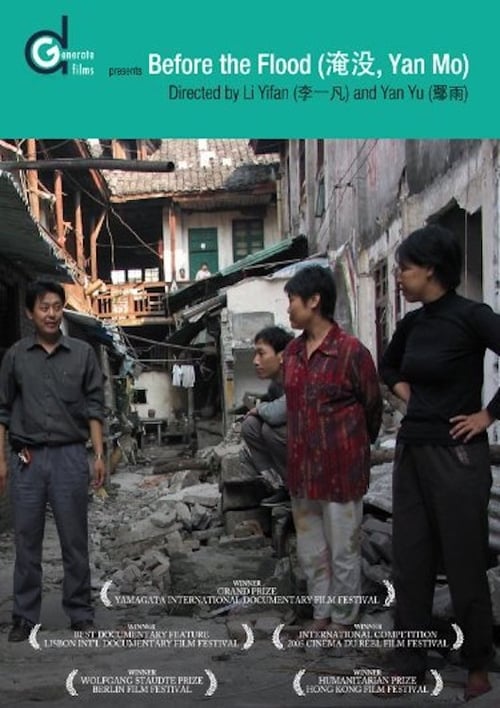
Before the Flood is a study of the final weeks of a dying city, as thousand-year-old Fengjie on the Yangtze River is reduced to rubble and its inhabitants uprooted to make way for the new Three Gorges Dam that will flood the entire valley.
2010
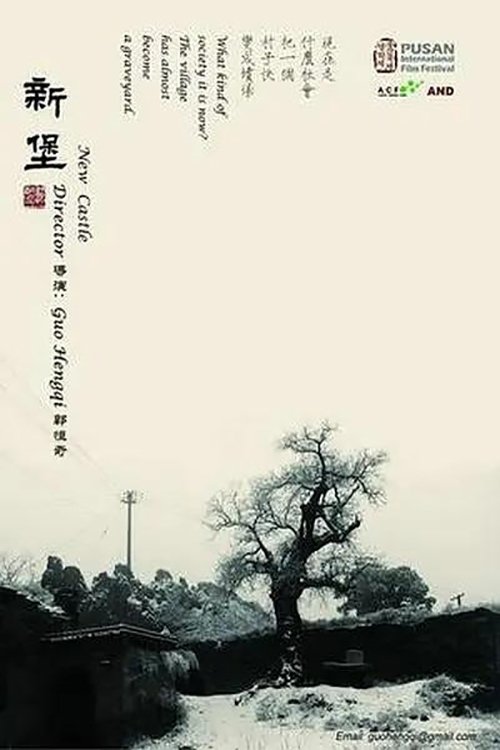
New Castle is a remote rural village where houses and mountains have been distorted due to excessive mining. Under the "New Village" campaign, all the villagers will be moved into the nearly completed Luxury Buildings. The documentary depicts the life of two groups of people, miners and villagers. The miners who are from all over the country, lost their jobs because of the Olympic Games in Beijing - the mine was shut down to make the air less polluted. The villagers had no better luck. Granny Fan lost two sons and two grandsons in a mining accident. Old Han and Old Wang are still farming. Some youngsters are gambling in the house of Han Bin, who was crippled in another mining accident. In the film, you can also see the village election, the service of local Christians, and people worshipping for a better year to come.
2013
The Chinese Department of Sun Yat-sen University (Guangzhou) staged the Chinese debut of "The Vagina Monologues" in December 2003. Since then, this feminist play, which came from the US and has been committed to the elimination of gender-based violence, has incited a vagina hurricane that blew all over mainland China.
2012
Xu Xin’s film “Dao Lu” (China 2012) offers an exclusive “in camera” encounter with Zheng Yan, an 83 year-old veteran of the Chinese Red Army, who calmly relates how he has navigated his country’s turbulent history over three-quarters of a century.Born to a wealthy family in a foreign concession, Yan joined the Chinese Communist Party (CCP) in 1941 because he sincerely believed in the socialist project, and in its immediate capacity to free China from the Japanese yoke and eradicate deep-rooted corruption.
2009
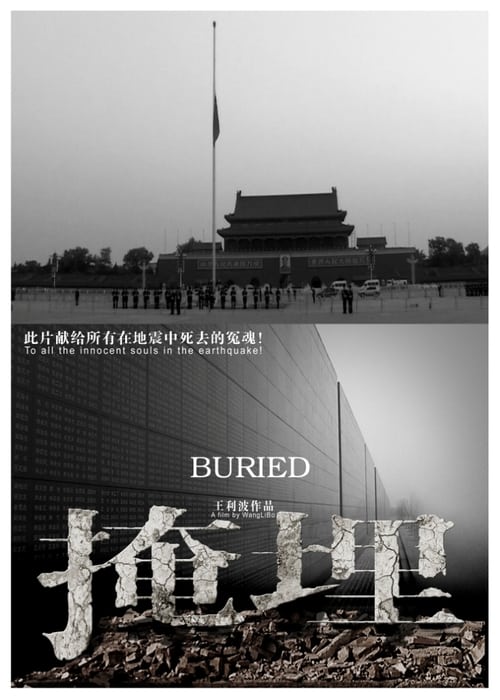
July 27th, 1976 - a day the people of Tangshan will never forget. When that fateful day ended, tens of thousands had been killed, and the lives of the survivors would be changed forever. No public official, no expert, nor anyone among the seismological personnel - regardless of what they were doing that day - should ever forget. History will always remember the twilight of that day.
2006
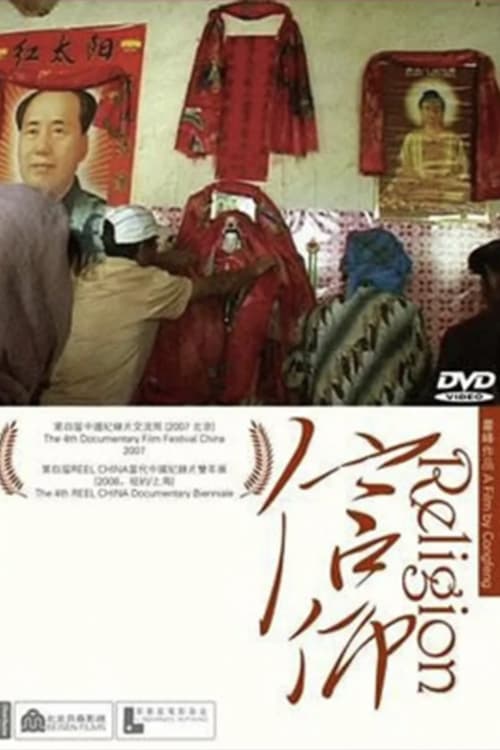
Huangyangchuan township, Gulang County, Gansu province. In a village, two members of a family died in accidents in a short period. People took it seriously, they decided to rebuild the old temple in the village, hoping it could bless them with peace. In the ceremony after the rebuilding was finished, the figure of Buddha, the picture of Chairman Mao, the Taoist and the country shamen, gathered together…This film documented the details of this ceremony, hoping to reveal the common status of Chinese people’s religion.
2011
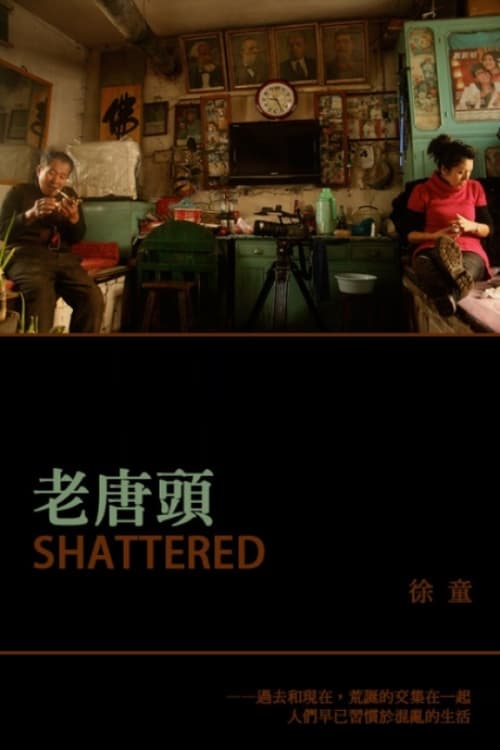
A microcosm of China past and present flows through Xu Tong’s intimate docu “Shattered,” in which the maverick indie filmmaker continues to refine his techniques and concerns shown in his previous “Wheat Harvest” and “Fortune Teller.”
2007
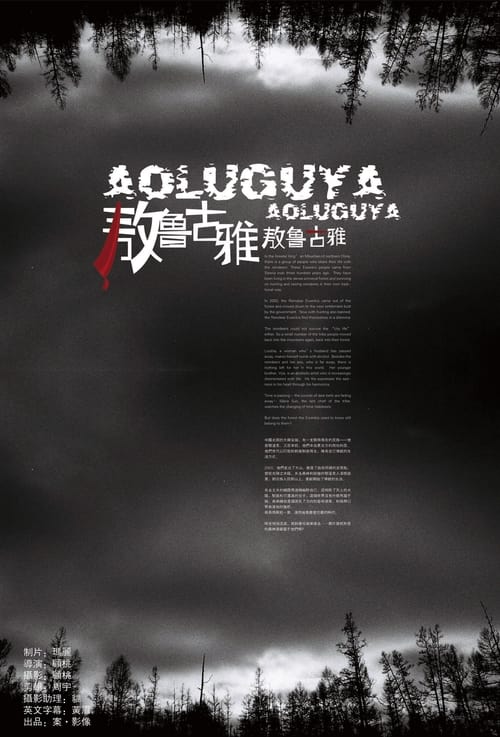
Aoluguya, Aoluguya is the first film in Gu Tao’s Ewenki Trilogy. A tale that unfolds in the Aoluguya forest, featuring such unique characters as a mother who dulls her sadness over the absence of her son, Yuguo, with alcohol; her brother; and Maria, the tribal chieftain who watches over them.
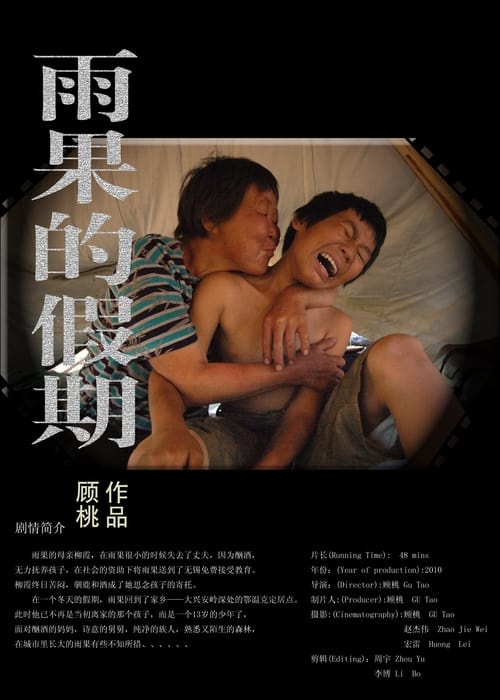
Yuguo, from Mongolia, lost his father when he was very young. His mother Liuxia was not able to raise him as a heavy drinker. With social support, she sent Yuguo to Wuxi for free education. Liuxia is depressed all day long, and she finds sustenance of missing Yuguo in reindeer and wine. One winter holiday after many years, Yuguo returns to his hometown, the Evenki settlement deep in the Greater Khingan mountains. At that time, he is no longer the boy who just left home, but a thirteen-year-old teenager. Facing alcoholic mother, poetic uncle, pure people from the tribe, familiar yet strange forest, Yuguo, who grew up in the city, doesn’t know what to do. In the snow-laden mountains of Aoluguya, northeast of Inner Mongolia, the film chronicles their brief time together. Yuguo and His Mother is the second documentary of Gu Tao’s Evenki trilogy.