1937
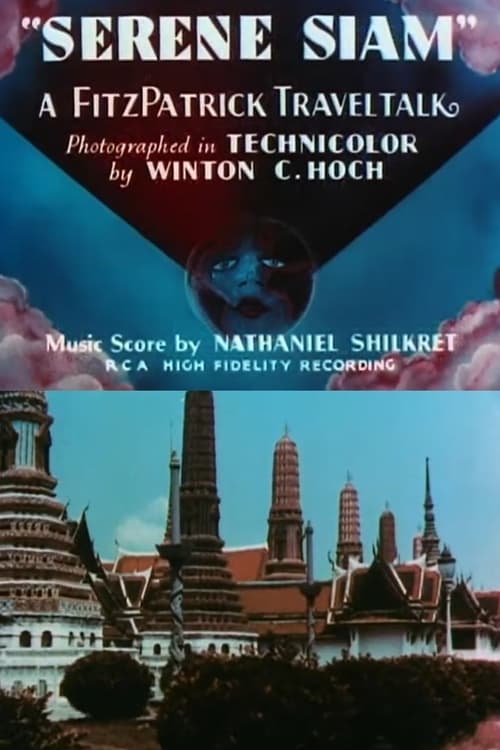
This travelogue begins at Bangkok's rail depot, a center of Indo-Chinese commerce. Next the narrator talks about Buddhism as the camera shows us some of Bangkok's many temples. Then, the narrator introduces us to the importance of traditional dance, with emphasis on the way that delicate wrist movements tell stories. It's on to the system of waterways in Bangkok, where more than 1,000,000 people live or conduct commerce. We take a ride down the Menam River, the country's most important commercial and social road. From our boat, we pass Wat Arun and other colorful signs of life typical in serene Siam.
2015
The film is filled with fun facts that show how cats make good pets, yet in other ways are wild and untamable.
1955
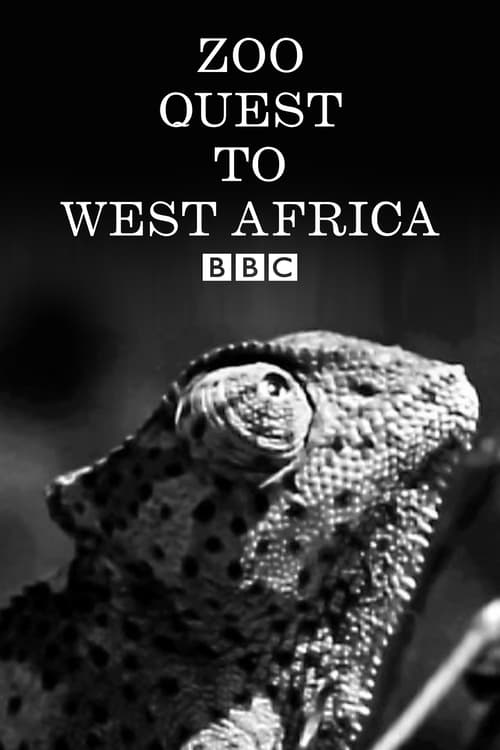
In September 1954, David Attenborough, cameraman Charles Lagus, Jack Lester and Alf Woods, both from the Zoological Society of London, set out for Sierra Leone. They spent three months intently surveying the landscapes of Sierra Leone in search of nature’s rarest animals. Although predominantly searching for Picathartes gymnocephalus (the White-necked Rockfowl) they hoped to take back to London a representative collection of the whole of animal life in this part of Africa.
1983
An incredible look at cephalopods – squids, octopi, and cuttlefish, from the Wildlife on One series. Filmed from Hawaii to the Gulf of Mexico, and using computers, scientists study the shape and color-changing abilities of these bizarre animals. Narrated by David Attenborough. (This film was shown on BBC as Season 12, Episode 2 of Wildlife on One. This listing is for the 16mm film release.)
1938
Life on the road in India, showing the traffic, people and animals.
Hindu temples at Benares and Belur and the mythologies associated with them.
1961
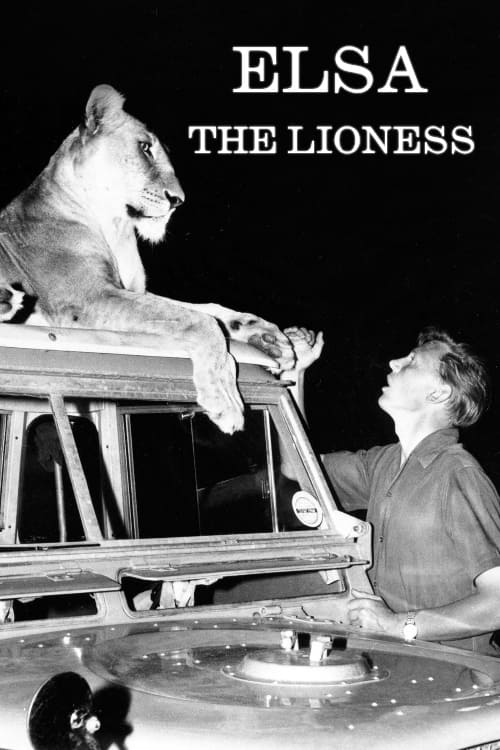
First transmitted in 1961, David Attenborough travels to Meru National Park in Kenya to visit Joy and George Adamson and meet Elsa the lioness and her cubs shortly before Elsa's death.
2006
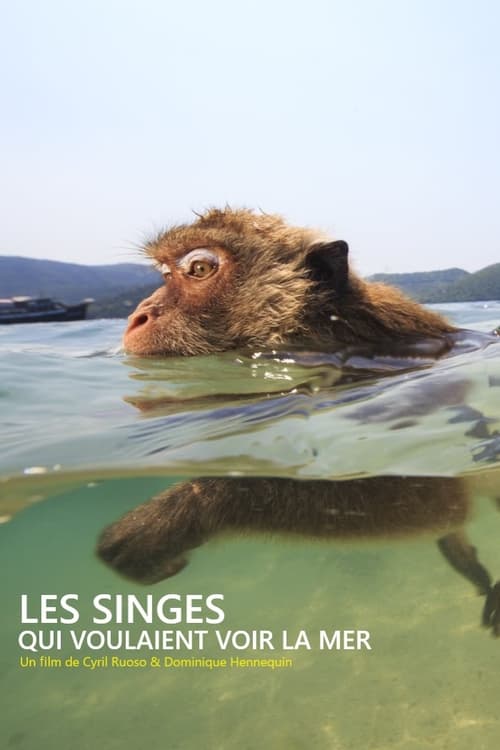
In the mountains of Northern Thailand lies a boarding school. The students come from different tribes in the area and live together with their Thai teacher, grow their own crops and cook their own meals while continuing their education. The biggest question on their mind, having spent all their lives in the mountainside, is where the rivers running down the hills end. If they pass the final exams their reward is a trip to the end of the river, to the ocean itself. The children are poor, some orphans, and most of them only speak their tribe's language, but all try their best to pass the exams to be able to take the long-awaited trip. This trip is not only a journey from the children's villages to the ocean but also a journey that symbolizes the change from childhood to adulthood.
2016
How and why what we eat is the cause of the chronic diseases that are killing us, and changing what we eat can save our lives one bite at a time.
2017
A compilation episode of the wildlife documentary series presented by David Attenborough, uncovering the secrets of animals across the globe.
1912
An Otter Study is a 1912 British short black-and-white silent documentary film, produced by Kineto, featuring an otter in its natural habitat, including groundbreaking footage of underwater hunting scenes. The film provided a novel treatment of the creature, which had previously appeared on film only as the victim of hunt films, with the unique underwater footage, shot by a cameraman behind glass in a tank concealed on the bed of the river in the opening scene, and a concluding scene, excised from the surviving print, in which it escapes the hunters. It was long thought lost until footage from a 1920s Visual Education re-release of the film, re-edited under the supervision of Professor J Arthur Thomson of Aberdeen University's Natural History Department, was rediscovered.
2022
David Attenborough brings to life, in unprecedented detail, the last days of the dinosaurs. Palaeontologist Robert DePalma has made an incredible discovery in a prehistoric graveyard: fossilised creatures, astonishingly well preserved, that could help change our understanding of the last days of the dinosaurs. Evidence from his site records the day when an asteroid bigger than Mount Everest devastated our planet and caused the extinction of the dinosaurs. Based on brand new evidence, witness the catastrophic events of that day play out minute by minute.