2003
A comic, biting and revelatory documentary following a small group of prankster activists as they gain worldwide notoriety for impersonating the World Trade Organization (WTO) on television and at business conferences around the world.
2013
Bikes for Africa is an entertaining, insightful and moving documentary following the life adventures of Hap Cameron and Mandy Todd, and their attempt to help implement a self sustainable bike workshop in rural Namibia with a container load secondhand donated bikes from Melbourne. The film investigates how a bicycle can fundamentally change the lives of rural Africans, and brings to focus the great works of two-wheeled charities Bicycles for Humanity and the Bicycling Empowerment Network Namibia.
1987
Artists Peter Fischli and David Weiss create the ultimate Rube Goldberg machine. The pair used found objects to construct a complex, interdependent contraption in an empty warehouse. When set in motion, a domino-like chain reaction ripples through the complex of imaginative devices. Fire, water, the laws of gravity, and chemistry determine the life-cycle of the objects. The process reveals a story concerning cause and effect, mechanism and art, and improbability and precision, in an extended science project that will mesmerize the mind.
2007
Thomas Haemmerli is about to celebrate his fortieth birthday when he learns of his mother's death. A further shock follows when he and his brother Erik discover her apartment, which is filthy and full to bursting with junk. It takes the brothers an entire month to clean out the place. Among the chaos, they find films going back to the 1930s, photos and other memorabilia.
2017
This film tells a story about an unschooled 11-year-old girl Yi-Jie, she's a truly global child who learns the world through the United Nations of Wastes while working with her YI minority parents in this recycle workshop thousand miles away from their mountain village home town
1993
In this documentary Coutinho examines the plight of the people who live off the waste of the Brazilian cities. These people make their living by scavenging the immense urban garbage dumps searching for whatever they can find to sell as well as whatever they can find to eat.
2010
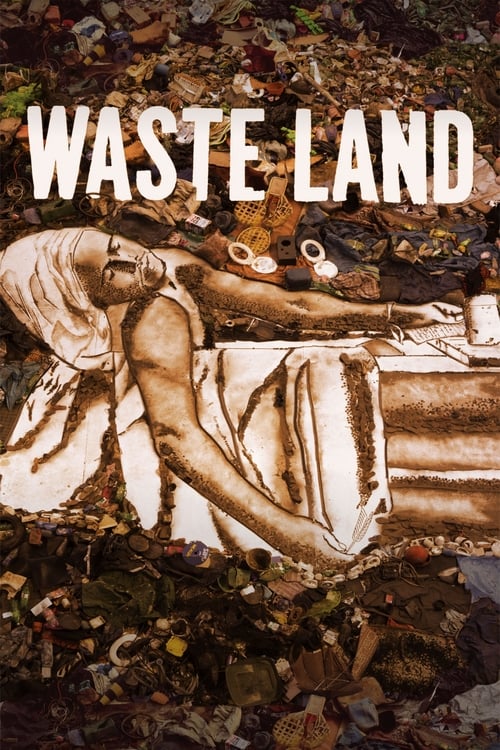
An uplifting feature documentary highlighting the transformative power of art and the beauty of the human spirit. Top-selling contemporary artist Vik Muniz takes us on an emotional journey from Jardim Gramacho, the world's largest landfill on the outskirts of Rio de Janeiro, to the heights of international art stardom. Vik collaborates with the brilliant catadores, pickers of recyclable materials, true Shakespearean characters who live and work in the garbage quoting Machiavelli and showing us how to recycle ourselves.
2009
Follow the Manhattan-based Beavan family as they abandon their high consumption 5th Avenue lifestyle and try to live a year while making no net environmental impact.
2018
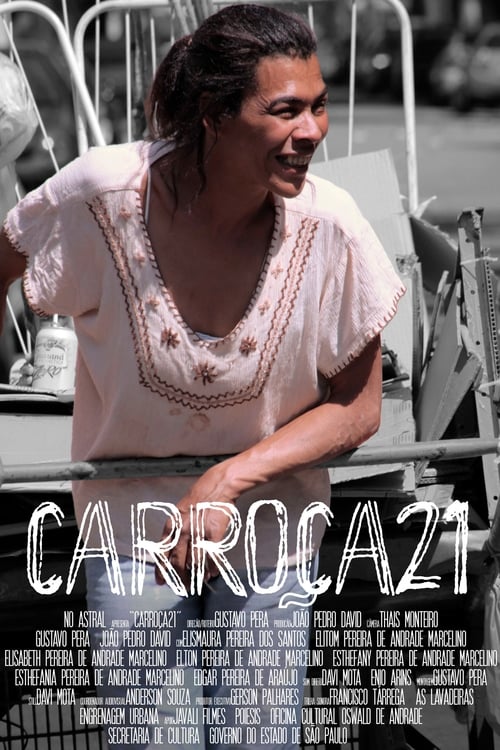
Maura is a black woman, mother of 7 children and recyclable material collector in one of the largest cities in Latin America. While she works hard to maintain herself, she has to deal with prejudice, invisibility and the ignorance of those who do not recognize the value and important role of the recyclable material collector bring to the city, as an environmental agent.
2023
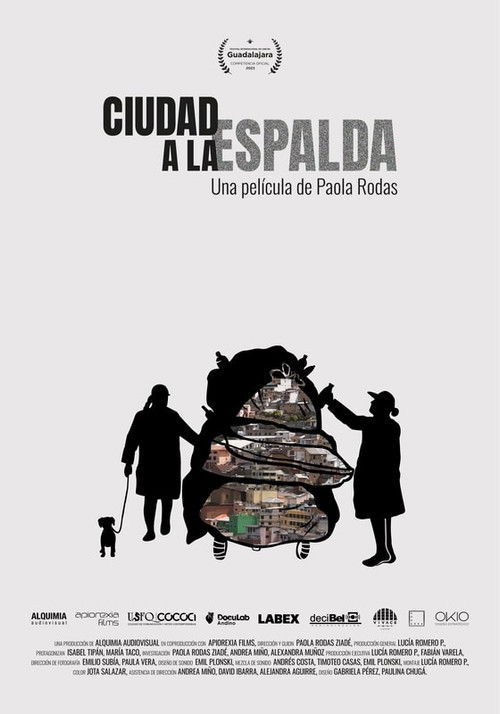
María and Isabel are two women in their fifties who, like many others, recycle in Quito, where there is no recycling system. María leads a collective fight for basic labor rights; while Isabel transmits her knowledge of environmental care while she raises her daughters.
2006
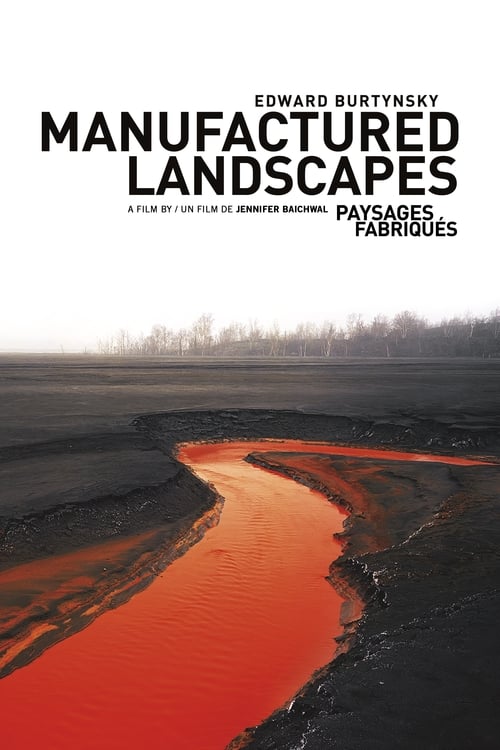
MANUFACTURED LANDSCAPES is the striking new documentary on the world and work of renowned artist Edward Burtynsky. Internationally acclaimed for his large-scale photographs of “manufactured landscapes”—quarries, recycling yards, factories, mines and dams—Burtynsky creates stunningly beautiful art from civilization’s materials and debris.
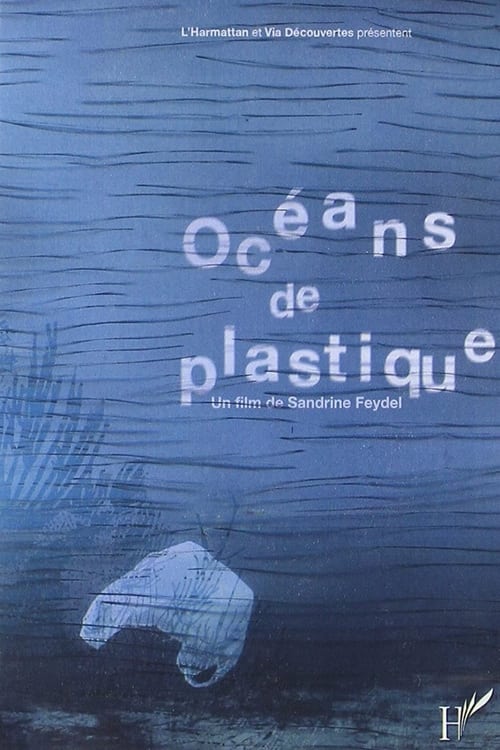
Every km of ocean now contains an average of 74,000 pieces of plastic. A 'plastic soup' of waste, killing hundreds of thousands of animals every year and leaching chemicals slowly up the food chain. In Holland, scientists found plastic in the stomachs of 95% of all fulmar birds. In Germany, plastic has been found to affect the reproductive systems of animals, while in the US, conservationists are seeing increasing numbers of dolphins die in agony, their guts blocked with rubbish. What will be the long term impact of this 'plastic pollution'? Can anything be done to clean up our oceans?