1969
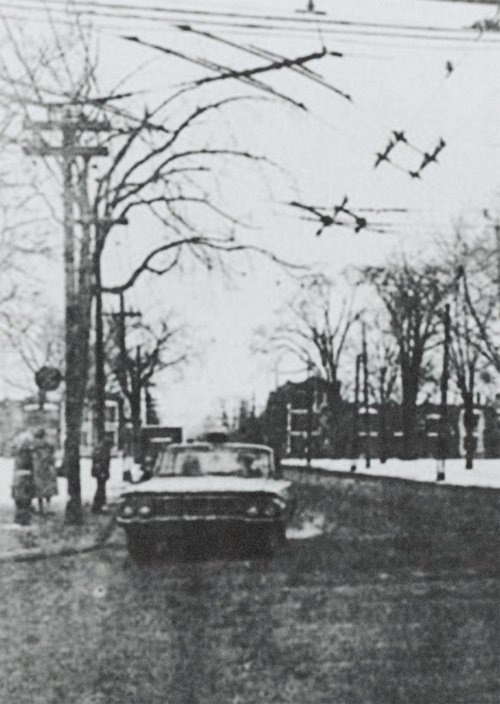
A silent succession of black-and-white photographs of the city of Montreal.
1964
SONG 5: A childbirth song (the Songs are a cycle of silent color 8mm films by the American experimental filmmaker Stan Brakhage produced from 1964 to 1969).
1972
An experimental sports film made partly during the Scandinavian Open Championships in Halmstad in 1970, partly during the Chinese players' exhibition tour in Denmark immediately after the SOC. First of all, it is a film about their style, about the artistic culmination that is ping-pong at its best, it records China's comeback into the international sports world.
1970
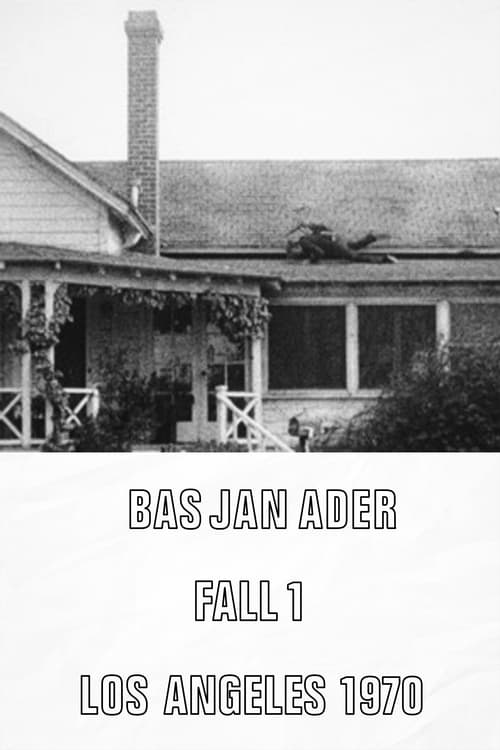
Bas Jan Ader's first fall film shows him seated on a chair, tumbling from the roof of his two-storey house in the Inland Empire.
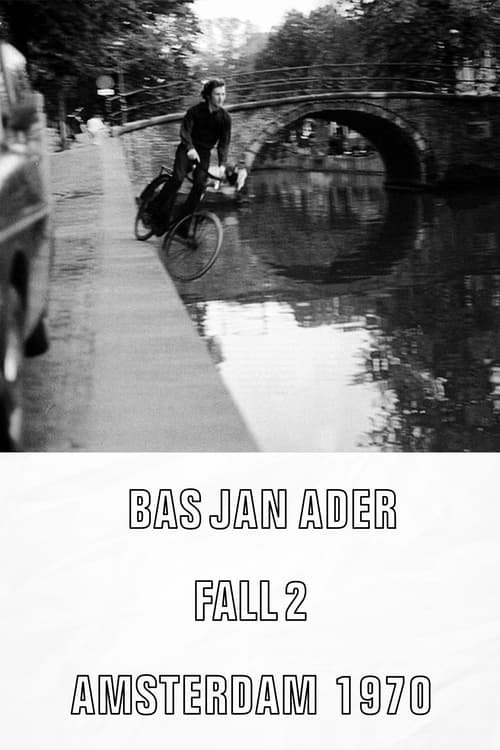
Bas Jan Ader rides his bike into a canal in Amsterdam.
1971
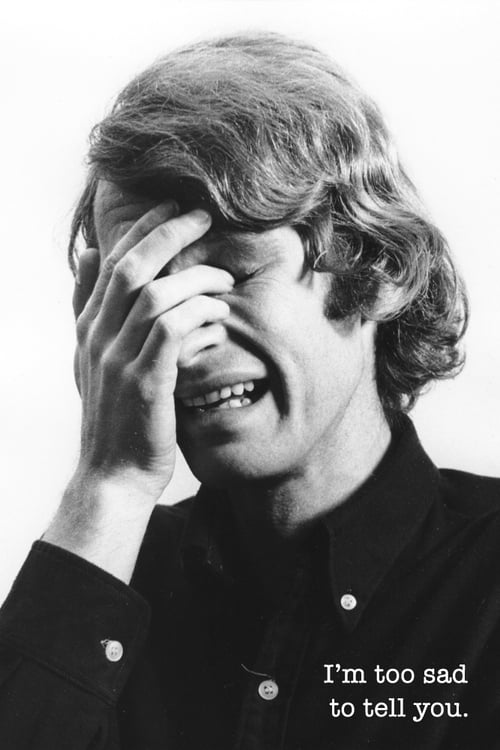
This short film is part of a mixed media artwork of the same name, which also included postcards of Ader crying, sent to friends of his, with the title of the work as a caption. The film was initially ten minutes long, and included Ader rubbing his eyes to produce the tears, but was cut down to three and a half minutes. This shorter version captures Ader at his most anguished. His face is framed closely. There is no introduction or conclusion, no reason given and no relief from the anguish that is presented.
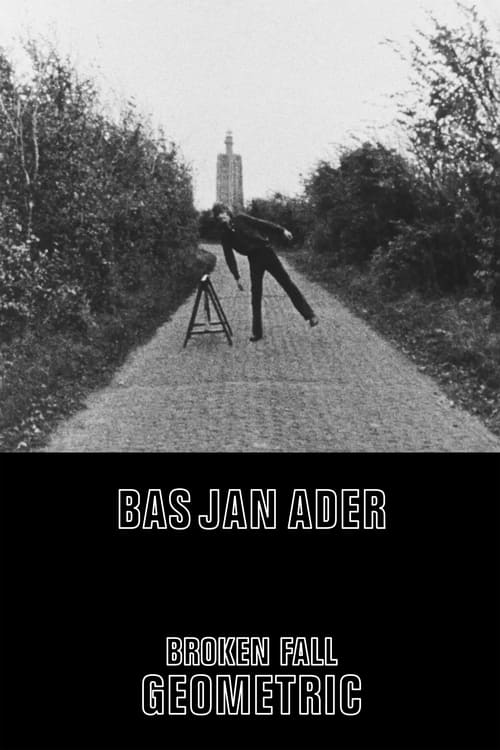
One of a series of ‘falls’ by Bas Jan Ader that he recorded on film, this work was filmed in West Kapelle, Holland in 1970.
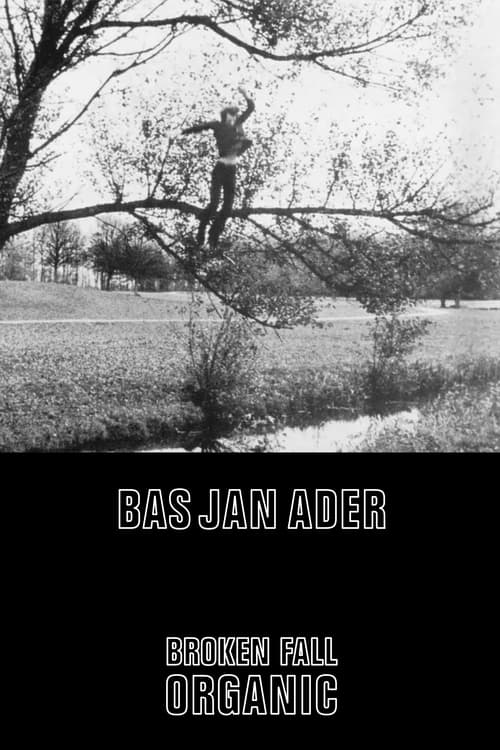
Bas Jan Ader hangs from the branch of a tall tree, until he loses his grip and falls into a river below.
Shot in his garage-studio, the camera records Ader painstakingly hoisting a large brick over his shoulder. His figure is harshly lit by two tangles of light bulbs. He drops the brick, crushing one strand of lights. He again lifts the brick, allowing tension to accrue. The climax inevitable—the brick falls and crushes the second set of lights. Here the film abruptly ends, all illumination extinguished.
1994
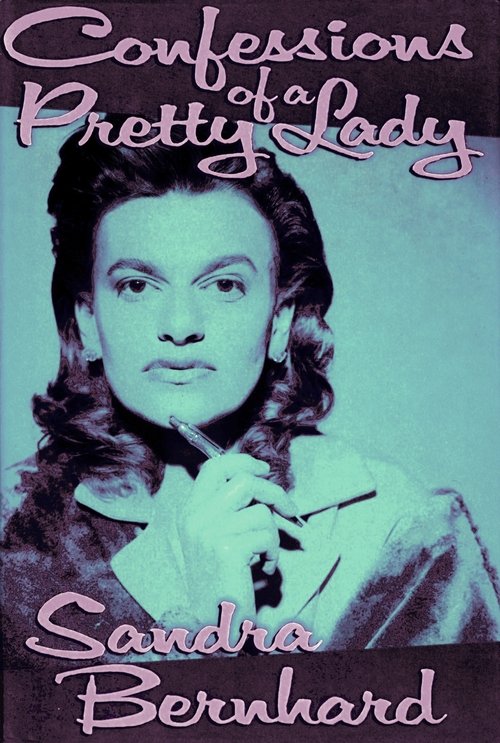
Bernhard, an actress-comedienne whose brassy humor attracts a cult-like following, here offers a semiconfessional view of her life's landscape. Childhood memories of her father, a doctor, and her mother, an artist, are warmly rendered in scenes of the Jewish family amiably accommodating itself to the Christmas season, and of the obligatory communal vacations joined by colorful relatives. The abrupt transition to a flamboyant denizen of "downtowns," Los Angeles or New York, to an existence as a character in the lives of marginal people, is evoked in sharply satirical terms, in a melange of humorous fact and fiction, monologues akin to those that make Bernhard an icon of pop culture.
Hotel Armada is a curated portrait of dance and expression showcasing talents in the world of contemporary, vogue, and ballet. It is an integration of time, space, movement and sounds highlighting each performer's rawness in their power and beauty.
2002
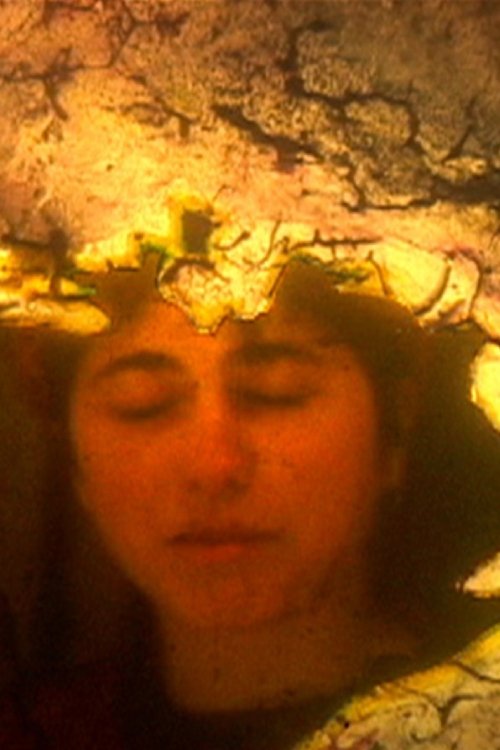
An unearthed time capsule consisting of footage of the maker's youthful self – an “exquisite corpse” with nature as collaborator. Bourque buried random out-takes from her first three films (all staged productions dealing with her family) in the backyard of her ancestral home (adjoining the grounds of a former cemetery) with the ambivalent intentions of both safe-keeping and unloading them (she was relocating). Upon examining the footage five years later she found that the material contained images of herself captured during the making of her first film. That discovery seemed handed over like a gift and prompted the making of this film, a metaphysical pas-de-deux in which decay undermines the image and in the process engenders a transmutation.