2019
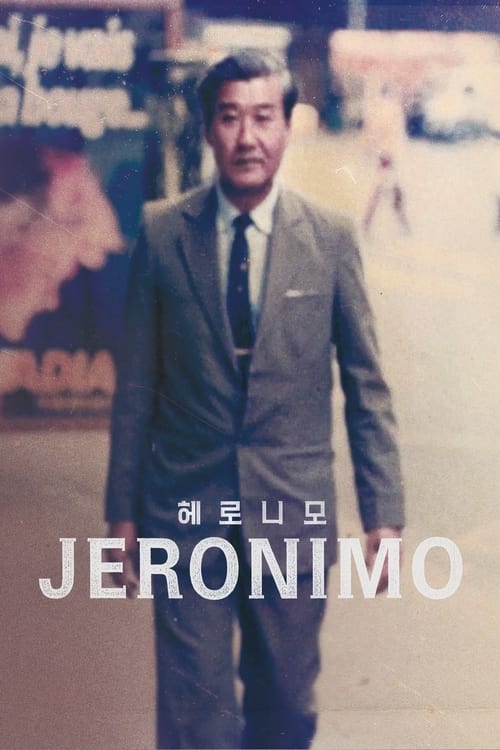
Born to Korean immigrant parents freed from indentured servitude in early twentieth century Mexico, Jerónimo Lim Kim joins the Cuban Revolution with his law school classmate Fidel Castro and becomes an accomplished government official in the Castro regime, until he rediscovers his ethnic roots and dedicates his later life to reconstructing his Korean Cuban identity. After Jerónimo's death, younger Korean Cubans recognize his legacy, but it is not until they are presented with the opportunity to visit South Korea that questions about their mixed identity resurface.
An account of the childhood and youth of the Peruvian writer Mario Vargas Llosa, Nobel Prize for Literature in 2010, and how the hard experiences he lived during these formative years led him to write and publish his first major work when he was only 26 years old.
2009
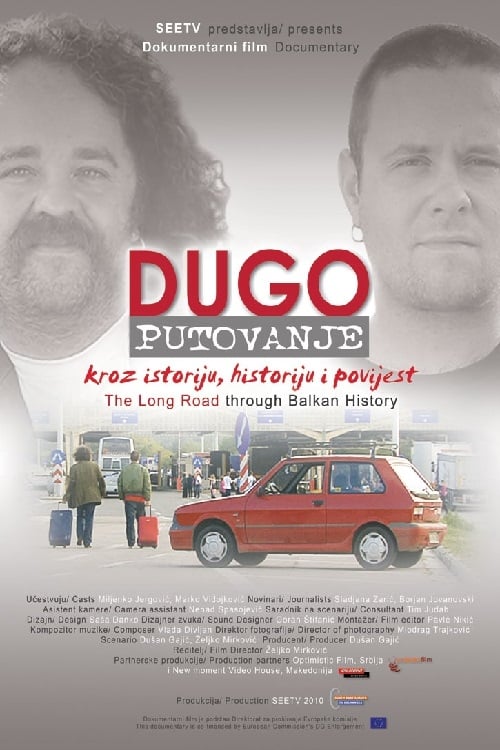
Bosnian Croat writer Miljenko Jergović and Serbian writer Marko Vidojković replace one another by the steering wheel of Yugo, a symbol of their common past while driving on the Brotherhood and Unity Highway that stretched across five of six republics of Yugoslavia.
2023
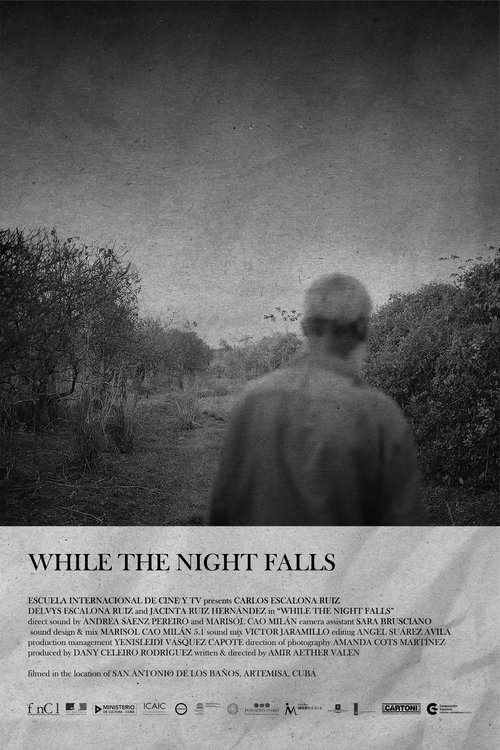
An intimate portrait of the lives of Delvys and Carlos, siblings who live alone with their elderly mother in a rural part of a small Cuban town. The film portrays a family engulfed in their inner worlds. Between the sacrifices they make out of love for those who are present, and their longing for things that are absent, they struggle to find meaning as they reflect, contemplate, and carry the weight of existence, trying together, to move forward.
1994
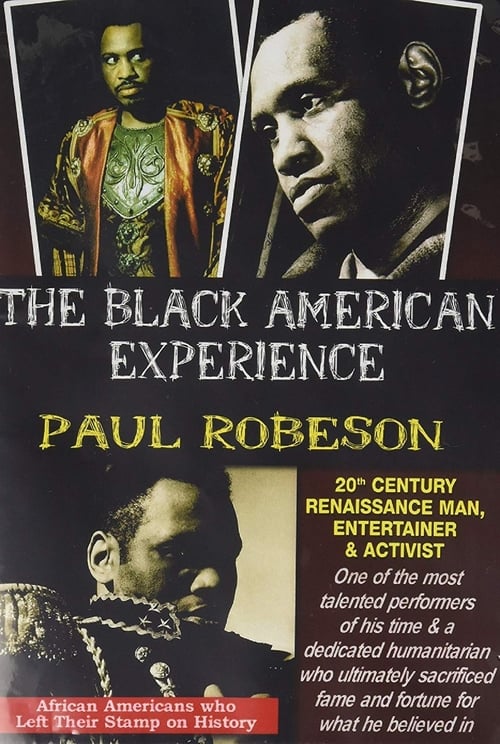
Paul Robeson was a celebrated African-American Actor, Athlete, Singer, Writer, and Civil Rights Activist. Robeson's many achievements are chronicled in this program, ranging from playing with the NFL to graduating from Columbia Law School, performing on Broadway and in Hollywood films to founding the American Crusade against Lynching as well as Council on African Affairs. Robeson was one of the most talented performers of his time and a dedicated humanitarian who ultimately sacrificed fame and fortune for what he believed in. His association with Leftist Politics during the era of the Cold War, and frequent denouncing of American political parties led to his eventual blacklisting with other prominent writers and artists during the McCarthy Era. His talents in all areas are remarkable, and his dedication to attaining a peaceful coexistence between all the people of the world is truly admirable.
2016
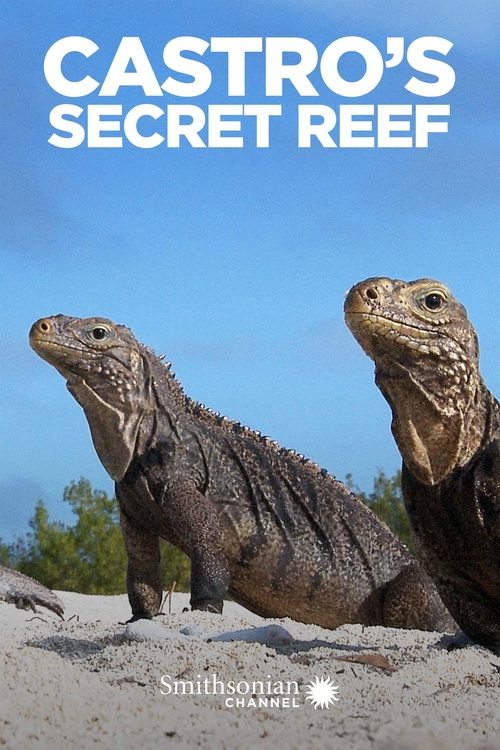
Cuba's enforced isolation has resulted in the unlikeliest of marine reserves: a huge, rambling archipelago known as Jardines de la Reina, or "Gardens of the Queen." Stretching around 140 miles along the southern coast of Cuba, it's one of the longest barrier reef systems in the world. Get an up-close look at Fidel Castro's diving playground, a forgotten ocean paradise unseen for half a century, and witness exotic species rarely seen elsewhere in the region. It's the lost jewel of the Caribbean, but how long can this pristine wilderness survive?
2017
Half blind and half deaf, ostraziced Cuban writer Rafael Alcides tries to finish his unpublished novels to discover that after several decades, the home made ink from the typewriter he used to write them has faded. The Cuban revolution as a love story and eventual deception is seen through the eyes of a man who is living an inner exile.
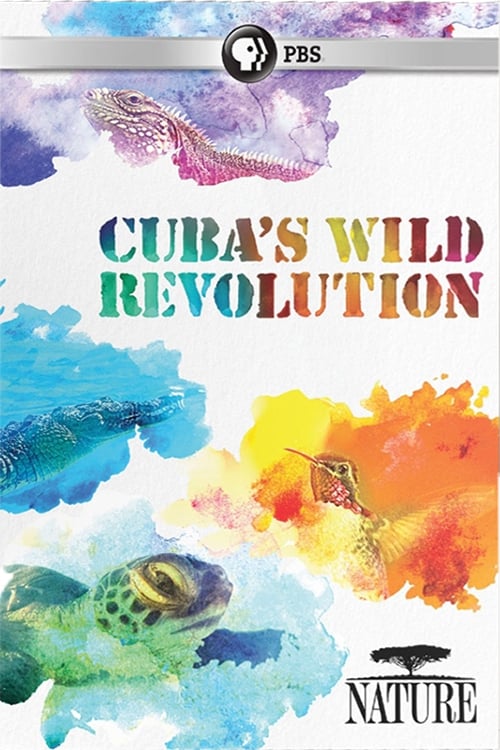
As the largest island in the Caribbean, Cuba is host to spectacular wildlife found nowhere else on the planet: from the jumping crocodiles of the Zapata swamp to the world's tiniest hummingbird, from thousands of migrating crabs to giant, bat-eating boas that lie in wait for easy prey. Decades of a socialist, conservation-minded government, American embargoes and minimal development have left the island virtually unchanged for 50 years. As international relations ease, what will become of this wildlife sanctuary?
2001
A documentary depicting Cuba/US relations through baseball.
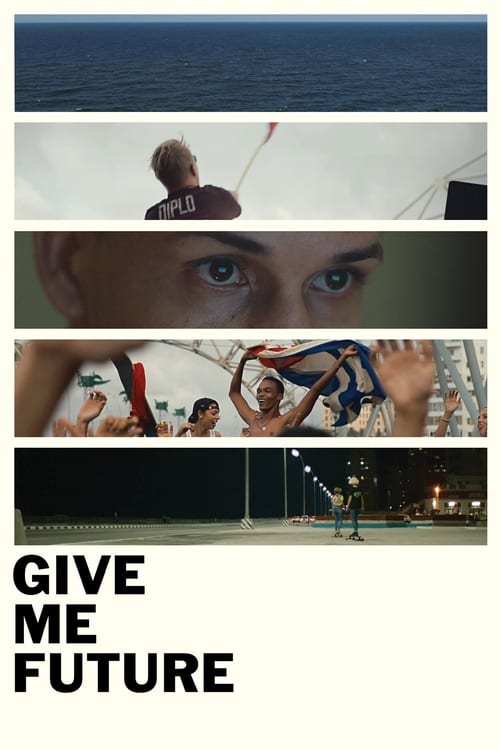
In the spring of 2016, global music sensation Major Lazer performed a free concert in Havana, Cuba—an unprecedented show that drew an audience of almost half a million. This concert documentary evolves into an exploration of youth culture in a country on the precipice of change.
1964
This black-and-white film is a loving portrait of Santiago de Cuba and its people. It provides a view of Cuba as a picturesque country, the product of an earthy mix of black and criollo cultures. The film uses historical images which portray the end of the eighteenth century when Haitian slave owners fled with their slaves to Cuba after the Haitian Revolution.