2025
WINE and WAR is a documentary about one of the the oldest winemaking regions on earth and the resilience of the Lebanese entrepreneurial spirit seen through the lens of war and instability.
2007
This political documentary by Hady Zaccak delves into the world of Lebanese Shiites through interviews with three Shiite youths, each with a different political and ideological affiliation, in addition to a very valuable interview with late Shiite cleric Sayyed Hani Fahs. The documentary explores the Shiites’ relation to Beirut’s Dahiyeh suburb, a Shiite stronghold, as well as the difference between the political and social perspectives of these youths.
2020
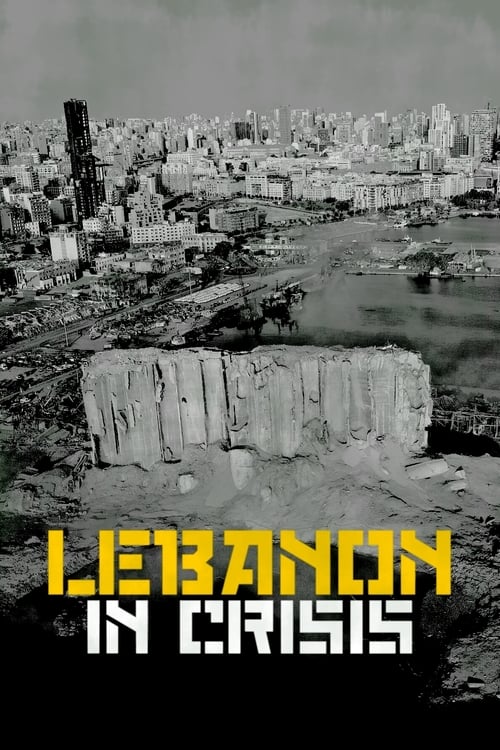
The apocalyptic blast in the Port of Beirut, Lebanon, on August 4, 2020, exacerbates anger at those in power: protests cross religious boundaries as the Lebanese people curse corruption, nepotism, gross economic mismanagement and squandering of resources. How did the Land of Cedars, a country with so much to offer, allow itself to get into such a dire situation? And will it be able to bounce back?
1993
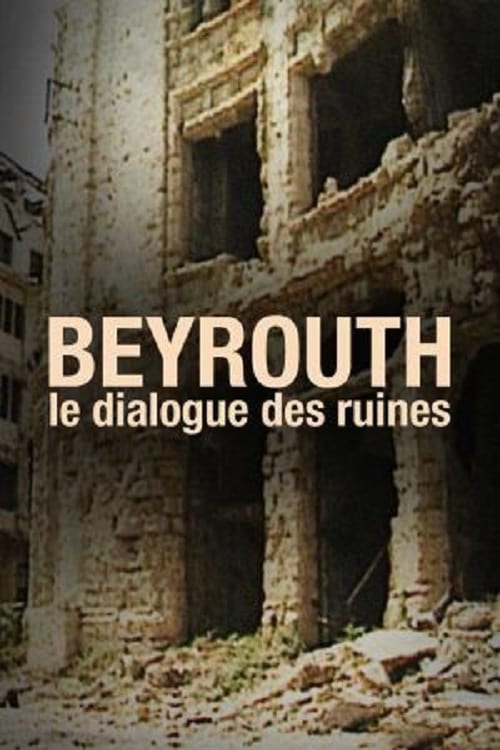
Architecture in Beirut was the second greatest victim of the civil war, with pages of ancient and modern history erased by the end of the conflict. This documentary interviews citizens calling for a reconstruction plan that would preserve Beirut’s spirit of culture and openness.
2008
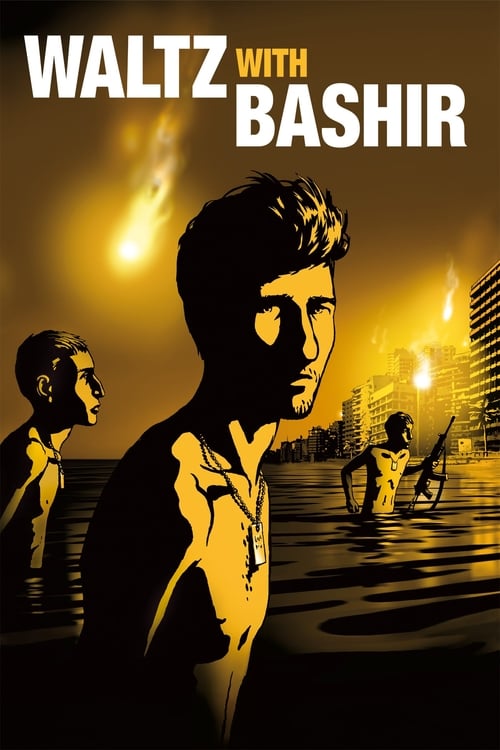
An Israeli film director interviews fellow veterans of the 1982 invasion of Lebanon to reconstruct his own memories of his term of service in that conflict.
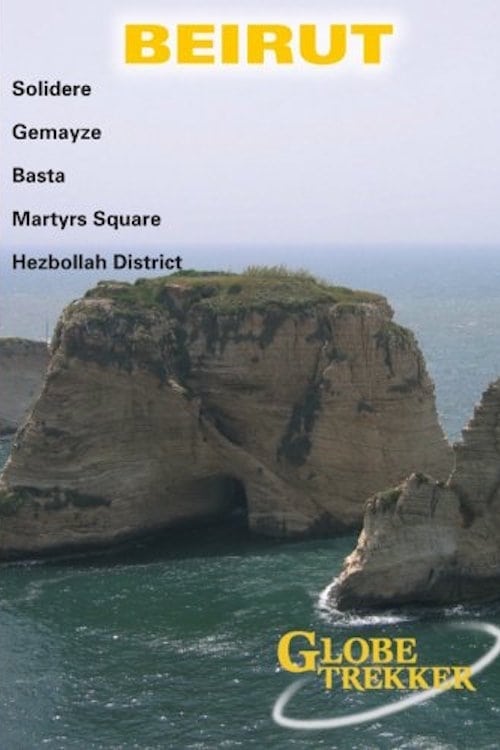
Beirut, Lebanon's capital has a long history of political and social unrest that still makes headlines today. Globe Trekker's Beirut City Guide captures the city in more optimistic days, two weeks before the latest outbreak of hostilities in Lebanon between Israeli and Hezbollah forces in July 2006. Globe Trekker Megan McCormick explores the neighborhoods of Basta, Solidere, Gemayze and the Hezbollah District and finds a city in the midst of regeneration. She gets a glimpse at Beirut's future when meeting up with a group of young Arabic hip hop artists, who are eager to live in peace and put the country's political troubles in the past.
2006
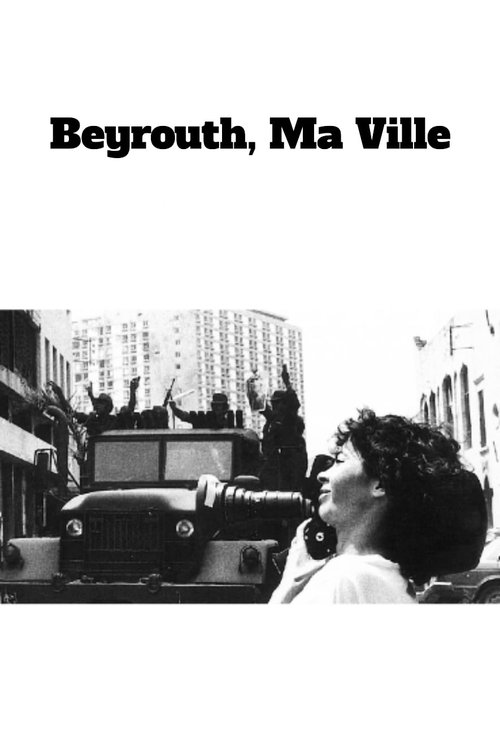
"When this last war broke out, I was faraway in Paris. I had but one idea: to return to Beirut as quickly as possible and to begin shooting a film, for historical moments were taking place. This film became indispensible: to film so that history would cease repeating itself and to build up a picture library for future generations. I never understood why so few films were made during the Lebanese Civil War. Apart from the odd film, nothing remains from that time. The war surely merited more attention." (Waël Noureddine)
1982
Jocelyne Saab toured the city of Beirut devastated by Israeli bombings. She assesses the number of victims and the extent of the destruction.
1983
In July 1982, the Israeli army besieged Beirut. Four days earlier, Jocelyne Saab sees her house burn and 150 years of family existence go up in smoke. She then takes refuge in questioning: when did this all begin? How did the Beirut people live the siege? Each place will then become a story and each name a memory.
2017
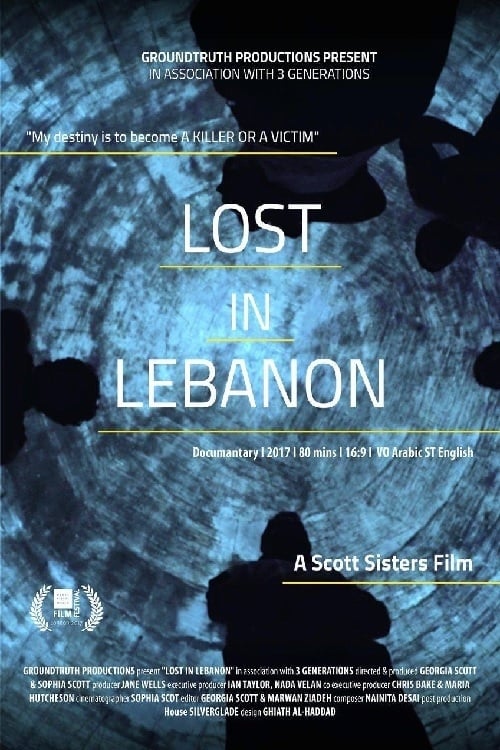
As the Syrian war continues to leave entire generations without education, health care, or a state, Lost in Lebanon closely follows four Syrians during their relocation process. The resilience of this Syrian community, which currently makes up one fifth of the population in Lebanon, is astoundingly clear as its members work hard to collaborate, share resources, and advocate for themselves in a new land. With the Syrian conflict continuing to push across borders, lives are becoming increasingly desperate due to the devastating consequences of new visa laws that the Lebanese government has implemented, leaving families at risk of arrest, detention, and deportation. Despite these obstacles, the film encourages us to look beyond the staggering statistics of displaced refugees and focus on the individuals themselves.
2003
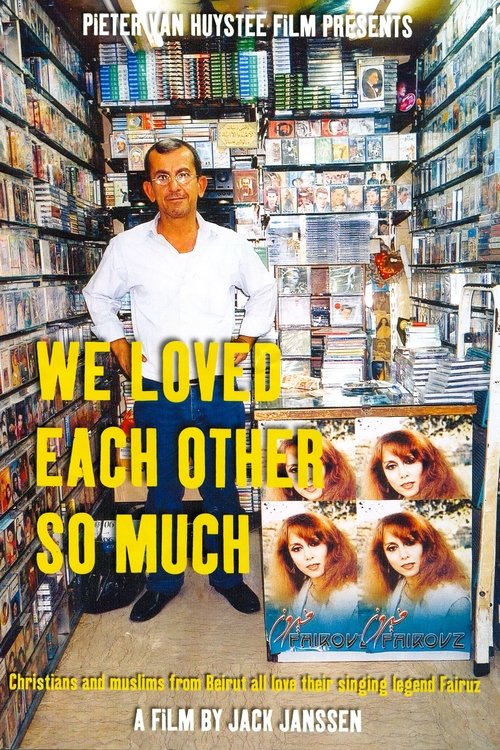
Inhabitants of Beirut talk about their love for the singer Fairuz.
1986
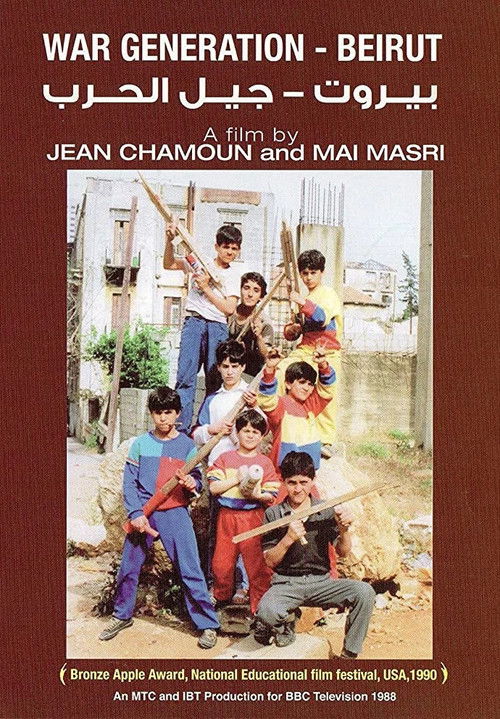
War Generation - Beirut explores the lives, dreams and fears of three generations of young people living in the heart of the civil war in Lebanon. This seminal work from Jean Chamoun and Mai Masri remains one of the most powerful anti-war documents of the period.