2016
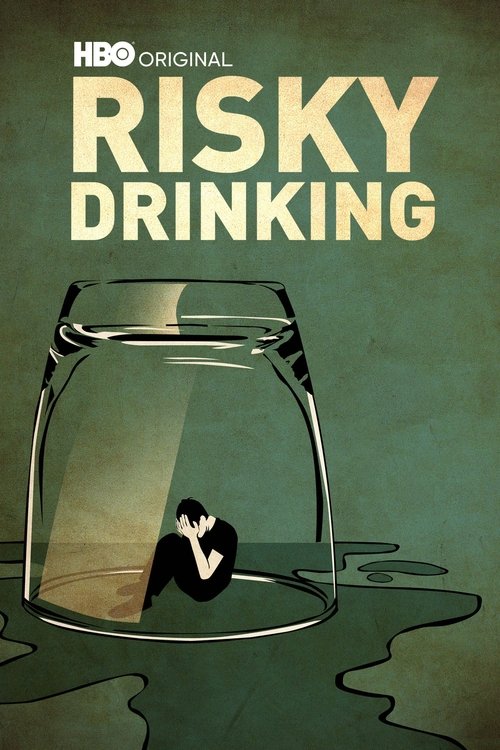
Are you a risky drinker? Nearly 70% of American adults drink alcohol and nearly 1/3 of them engage in problem drinking at some point in their lives. Produced with The National Institute of Alcohol Abuse and Alcoholism (NIAAA), Risky Drinking is a no-holds-barred look at a national epidemic through the intimate stories of four people whose drinking dramatically affects their relationships.
2019
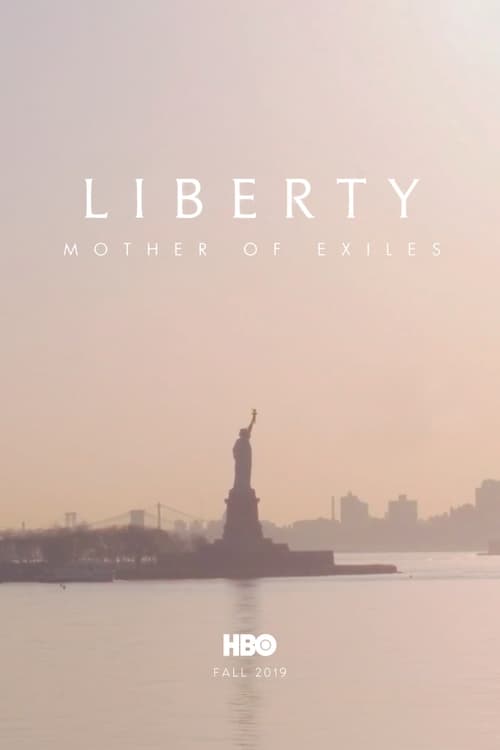
A look at the history of the Statue of Liberty and the meaning of sculptor Auguste Bartholdi's creation to people around the world.
2014
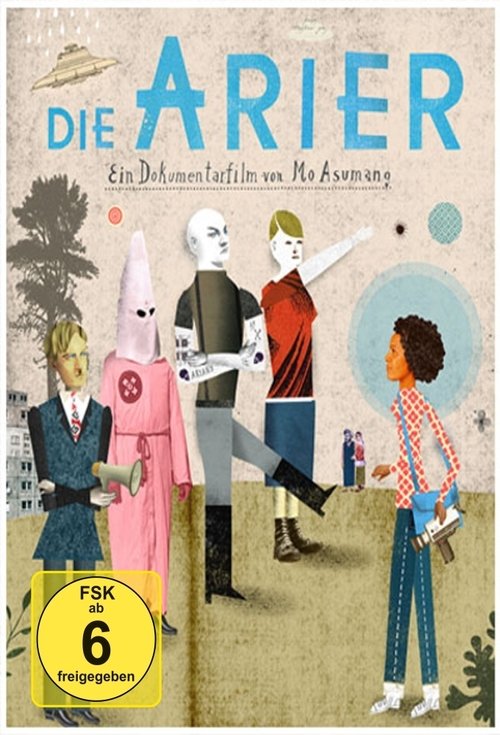
THE ARYANS is Mo Asumang's personal journey into the madness of racism during which she meets German neo-Nazis, the US leading racist, the notorious Tom Metzger and Ku Klux Klan members in the alarming twilight of the Midwest. In The ARYANS Mo questions the completely wrong interpretation of "Aryanism" - a phenomenon of the tall, blond and blue-eyed master race.
1994
A short 1994 documentary that highlights the lives and experiences of a few LGBTQ+ residents of the Palouse. Filmed and narrated by Jeff Olson. Produced by the Latah/Nez Perce Voices for Human Rights. The film was digitized and provided by the Boise State University Special Collections and Archives.
2018
A documentary following the civil rights movement and how the media, in particular the burgeoning TV, was used to fight for equality in the 1960s. From Selma to Charlottesville, we also see how modern activists use today's technology to continue fighting injustice today.
1974
Guy Debord's analysis of a consumer society.
2022
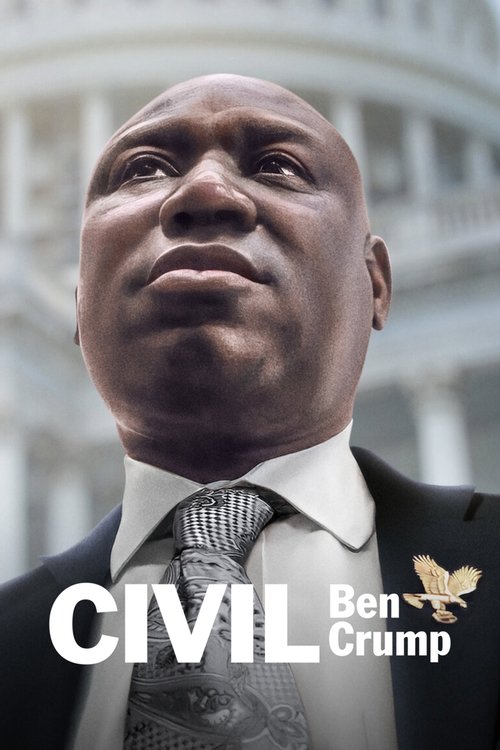
Crump's mission to raise the value of Black life as the civil lawyer for the families of George Floyd, Breonna Taylor, Black farmers and banking while Black victims, Crump challenges America to come to terms with what it owes his clients.
An intimate look at the human faces of America's current opioid epidemic. Seen through the eyes of a mother and the lens of a small town.
2020
Trust Me uses stories, facts and experts to explain how our lack of media literacy is hurting us and how the media is negatively affecting our perspective of the world. True stories of how mis-information can result in real problems are meant to provoke thought and action in viewers.
2012
'Do you feel cheaper?' We are filming young Lithuanian men working in Sweden. They do not want to be caught on camera, they do not want to participate in creating yet another media image of guilt and pity. They film us. We empty a bottle of moonshine, we dance on their porch. They might let us film them tomorrow. Second Class is a time document about class, respect, the value of work and human being.
1971
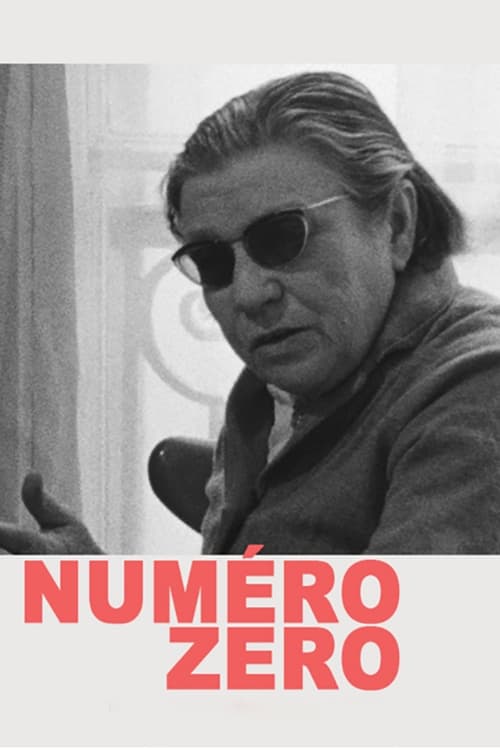
A family portrait in which the director profiles his grandmother, Odette Robert. Eustache includes in the film the conditions of its production — he is seated at the table with her, pours her some whiskey, speaks with the camera operator, manipulates the clapboard at the head and tail of the reels, and even takes a phone call. Robert, who was seventy-one, speaks rapidly and tells the story of her life, starting from her early childhood in villages in the Bordeaux region of France. A shorter version of the film ("Odette Robert") was edited in 1980 to be broadcast on television on TF1. The complete film only gained exposure in 2002, when it was salvaged by Boris Eustache, Thierry Lounas, João Bénard da Costa, Jean-Marie Straub, and Pedro Costa.
In the spotlight of global media coverage, the first transgender woman ever to perform as Don Giovanni in a professional opera, makes her historic debut in one of the reddest states in the U.S.