1937
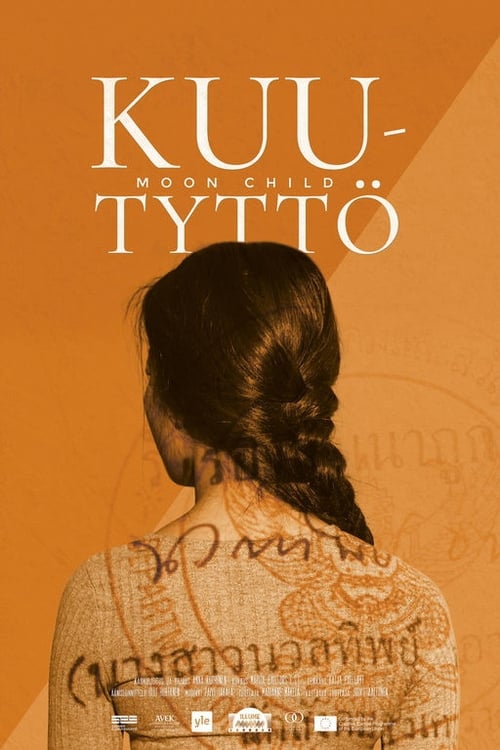
This travelogue begins at Bangkok's rail depot, a center of Indo-Chinese commerce. Next the narrator talks about Buddhism as the camera shows us some of Bangkok's many temples. Then, the narrator introduces us to the importance of traditional dance, with emphasis on the way that delicate wrist movements tell stories. It's on to the system of waterways in Bangkok, where more than 1,000,000 people live or conduct commerce. We take a ride down the Menam River, the country's most important commercial and social road. From our boat, we pass Wat Arun and other colorful signs of life typical in serene Siam.
2016
2017
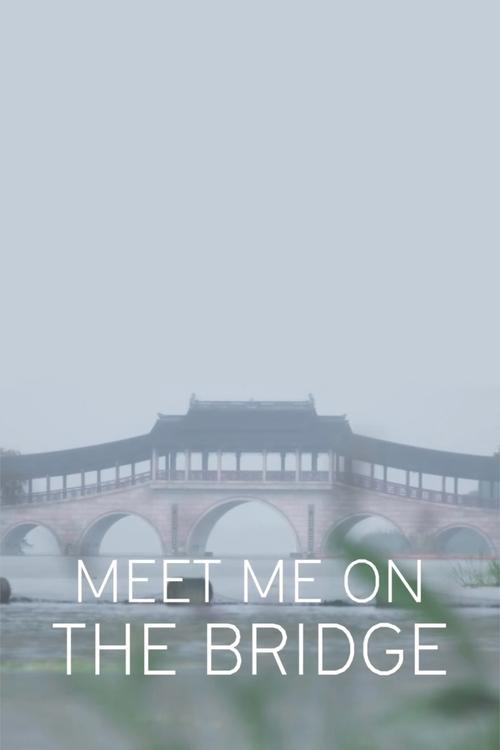
Kati Pohler was abandoned in a market in China when she was three days old. Her parents left a note saying they would meet her on a famous bridge 10 or 20 years later. When the time arrived, it became a huge story in China, but Kati was living in America and had no idea. This is how she finally met her biological family.
2006
In the mountains of Northern Thailand lies a boarding school. The students come from different tribes in the area and live together with their Thai teacher, grow their own crops and cook their own meals while continuing their education. The biggest question on their mind, having spent all their lives in the mountainside, is where the rivers running down the hills end. If they pass the final exams their reward is a trip to the end of the river, to the ocean itself. The children are poor, some orphans, and most of them only speak their tribe's language, but all try their best to pass the exams to be able to take the long-awaited trip. This trip is not only a journey from the children's villages to the ocean but also a journey that symbolizes the change from childhood to adulthood.
1992
Through one woman's experience as an adopted person and also as a mother who relinquished her child in 1971, this documentary highlights the many complex issues associated with adoption.
2026
In an effort to understand where she came from, Fabiola asked a question that became the central phrase of the film: what would my life have been like if I'd stayed in Haiti? Taking as her starting point her biological mother's precarious economic situation, she had no choice but to entrust her daughter to her care. Fabiola could have ended up restavek, or in a loving foster family, or on the streets abandoned to her fate, or adopted abroad.
1999
Special following four families who are raising teenagers, and capturing candid, often disturbing situations which reveal the direct connection between parents' behavior and the ways their kids are mirroring or reacting to that behavior.
2014
Street art, creativity and revolution collide in this beautifully shot film about art’s ability to create change. The story opens on the politically charged Thailand/Burma border at the first school teaching street art as a form of non-violent struggle. The film follows two young girls (Romi & Yi-Yi) who have escaped 50 years of civil war in Burma to pursue an arts education in Thailand. Under the threat of imprisonment and torture, the girls use spray paint and stencils to create images in public spaces to let people know the truth behind Burma's transition toward "artificial democracy." Eighty-two hundred miles away, artist Shepard Fairey is painting a 30’ mural of a Burmese monk for the same reasons and in support of the students' struggle in Burma. As these stories are inter-cut, the film connects these seemingly unrelated characters around the concept of using art as a weapon for change.
2007
There are only 320 Mlabri people left on this planet. They came out of the jungle in Northern Thailand on the border to Laos one generation ago. The Mlabri people used to be hunters and gatherers. Today they scrape out a meagre existence at the bottom of society working as day labourers for the Hmong farmers, and living in shacks on the outskirts of larger Hmong villages. The Mlabri people are currently going through a transformation process, which has taken many other people thousands of years. Now the young people are faced with the choice of staying with their families in the village or adapting to the Thai society. How do they experience the meeting between their own culture and the local, regional and national majority cultures? In this film young Mlabri tell about their past, present and future as they see it; all expressed in their unique and expressive Mlabri language.
2019
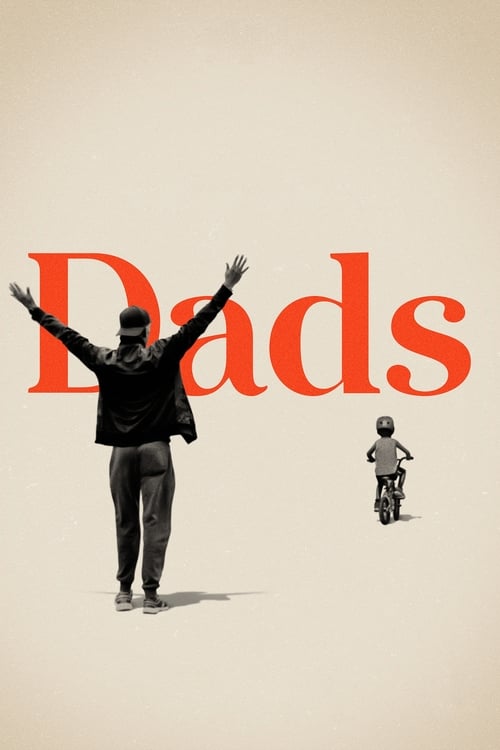
A joyful exploration of modern fatherhood, this doc gathers the testimonies of dads around the world, from famous comedians to everyday parents. Their unfiltered stories speak to the beauty, struggles, and ridiculous hilarity of being a dad today.
2022
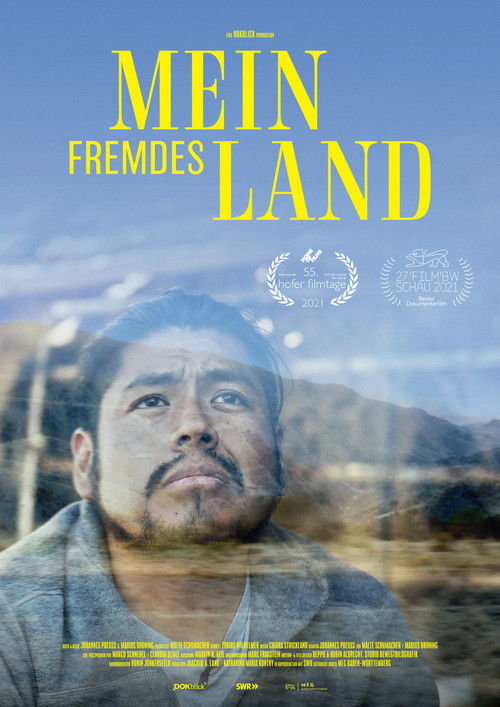
A Bolivian by birth, who grew up with adoptive parents in the Swabian town of Mössingen, is looking for his family in the mountains of Potosí. Out of poverty, his mother gave the little boy away when he was just a few months old. The search carries a story that goes far beyond personal fate. Because Manuel was born in a region known for the ruthless exploitation of silver. It's a film about identity, homeland and equal opportunities.
2009
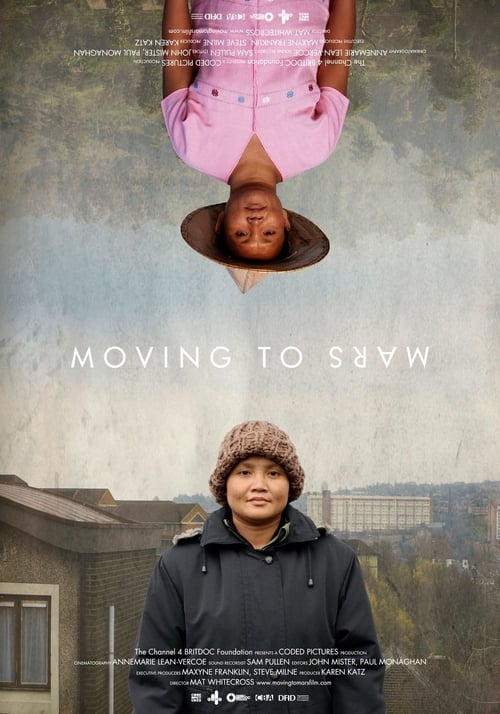
Moving to Mars charts the epic journey made by two Burmese families from a vast refugee camp on the Thai/Burma border to their new homes in the UK. At times hilarious, at times emotional, their travels provide a fascinating and unique insight not only into the effects of migration, but also into one of the most important current political crises - Burma.