1976
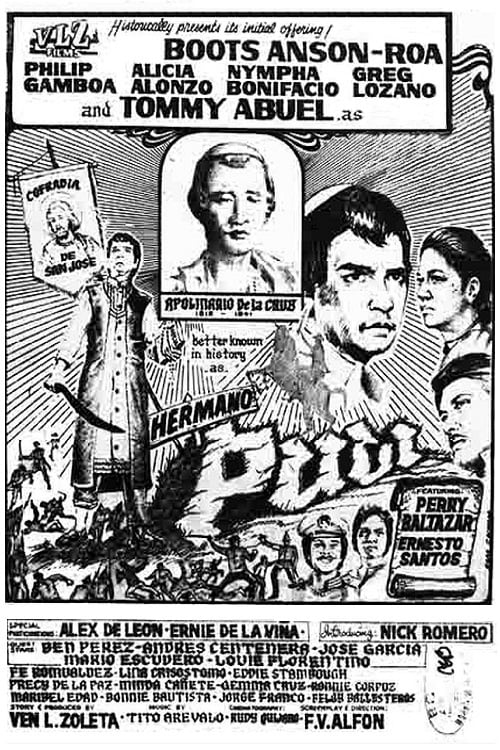
Set at the turn of the 20th century during the Filipino revolution against the Spaniards and, later, the American colonizers, it follows a naive peasant through his leap of faith to become a member of an imagined community.
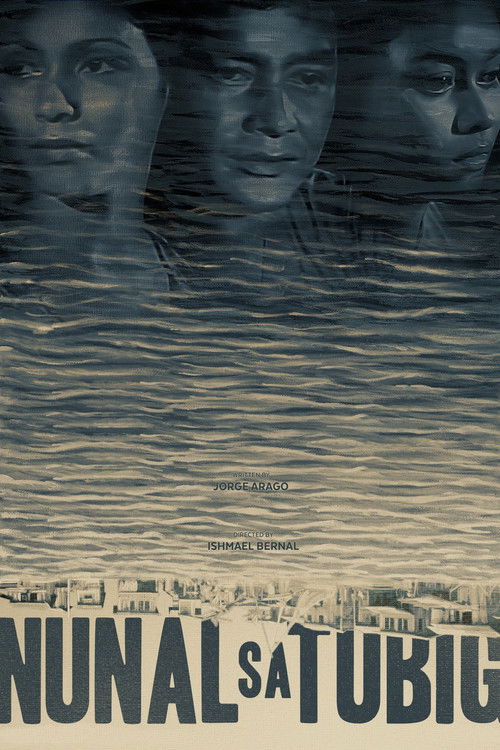
Ferry owner Benjamin has a regular passenger, Chedeng, who is studying to become a midwife. Chedeng has a friend and neighbour, Maria, and without either of them knowing about it they both have a relationship with Benjamin. When Mary finds out she’s pregnant, things get difficult.
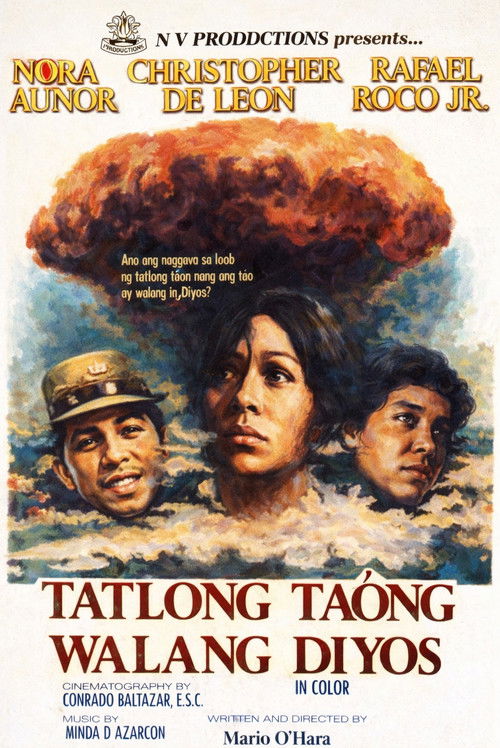
Set during World War II, Rosario, a school teacher, enters a forbidden relationship with a Japanese soldier, Masugi.
1983
When Narcing brings home his wife Puring to their hometown Mulawin in the 1930s, it sets off a series of events that include parricide, infidelity, betrayal, guilt and redemption.
2012
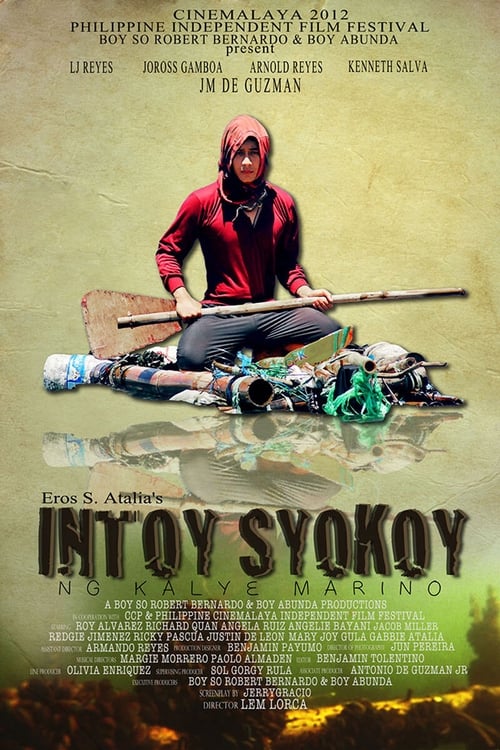
Intoy has had the hots for Doray since they were kids in Kalye Marino, Cavite City, formerly the American Naval Base in Sangley Point. Both marginalized as the long-lasting effect of American abandonment of the said base, Intoy has become Kalye Marino’s best “tahong” caretaker-with-no-angst-about-poverty, while Doray a cheap prostitute-with-no-guilt, tending to her siblings’ needs. Intoy strives to have his own cages of “tahong” so he can have Doray, not for just a night of quickie sex, but forever. But what will he do to when she offers to drop by his hovel-on-stilts to quench his passion, but before it happens Nature has chosen to play a joke on his tahong cage? Will it be goodbye to his tahong business or to his damsel-in-distress and ultimately to Kalye Marino? From Eros S. Atalia’s 2001 Palanca Grand Prize-winning Short Story, Intoy Syokoy ng Kalye Marino is a love tale minus the obligatory romantic sentiments.
Circus hijinks surround the barangay of Sta. Maria in the midst of an international murder sensation. Swanie, Sta. Maria’s barangay chair and a distant relative of the killer, tries to gain political points by staging a wake for the criminal-turned-celebrity. Meanwhile in faraway Manila, Joanna, Swanie’s runaway son, navigates his way through labyrinthine bureaucracy, to give a neighbor a proper burial. With these two unrelated deaths, estranged mother and son each bury the dead long shelved in their hearts. Amidst these unspoken family burials, the neighborhoods’ penchant for funeral fiestas, gossip and secrets, bizarre social events and the sheer mix of scandal and inebriation complete the picture of dying the Pinoy way.
1999
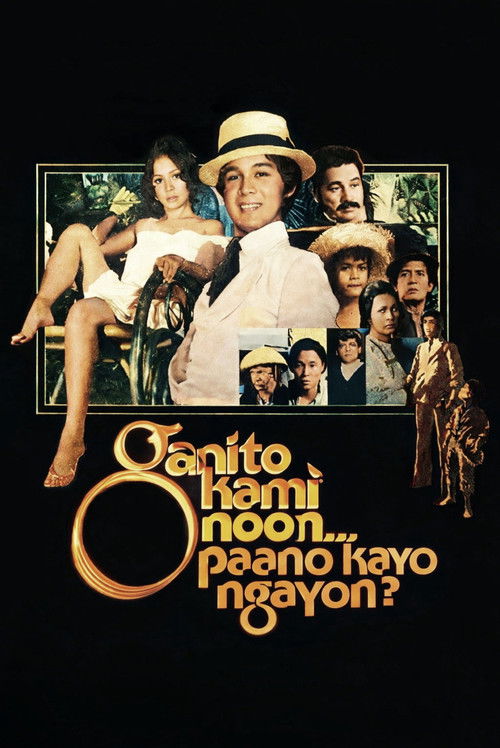
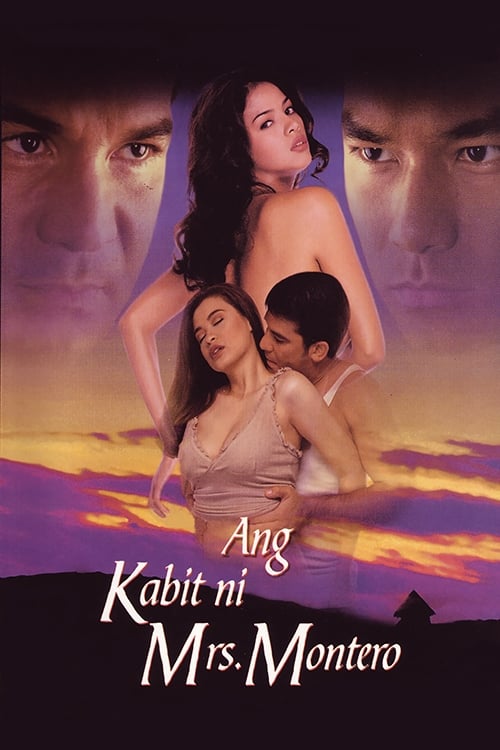
Loosely based on the controversial British erotic novel "Lady Chatterley's Lover" by D.H. Lawrence, the story chronicles the amorous exploits of a winsome young bride. When her affluent but crippled spouse fails to fulfill her physical desires, she seeks sexual satisfaction outside her marriage by taking a lover.
The title “Kamera Obskura” is a Filipino spelling of the latin “Camera Obscura” which simply means “dark room”. The film’s concept adheres to formalist cinema, where the filmmaker’s thesis is to make a semblance of a vintage film seemingly produced sometime in the late 1920s to early 1930s in the Philippines. The thesis is to conjure up a film from a period that did not really exist in Philippine cinema’s historical cultural heritage as we know it, such as a pseudo-expressionist / experimental Filipino cinema of the silent film era. It is a film within a film. The narrative plays with the idea of a retro-futurist world where a prisoner locked away in a dark chamber for over two decades only sees the reality of the world outside through the small hole in his cell, which projects an image of the city on his wall, the phenomenon of the “camera obscura”.
Every night, Nana Lusing lies on her bed sleepless because she sees a dark figure looming in her room. Who is this shadow? Is this the devil? Her late husband? A manifestation of her anxieties? Or simply a figment of her imagination?
It is the time of El Niño, a season ruled by superstition and fear. The rain is long in coming, the ground has cracked up dry. The ricestalks are thin and sickly. Villagers go hungry. And a boy dies from a snakebite. The adults splinter. Some pray. Others join a cult to appease earth spirits and wait for the ada, the ricefield spirit goddess of bountiful harvest who dances naked on moonlit nights and signals the need for a virgin’s sacrifice. There are fence sitters, equally pro-church and pro-cult. A landlord’s steward enforces his master’s usury on hapless farmers. A self-righteous priest says rain must first be deserved. Two young women fight for the right to do with their bodies as they please. A bastard boy and a blind girl come of age. Yesterday, they were children.
2000
Due to a delayed flight, a group of German flight passengers had to wait in the hall of the airport of Manila. The crowd was quite mixed, ranging from a cultivated eastern German teacher couple up to sleazy sex tourists. As the waiting prolonged, more and more aggressions and long-repressed behaviors shed their way to the surface.
2001
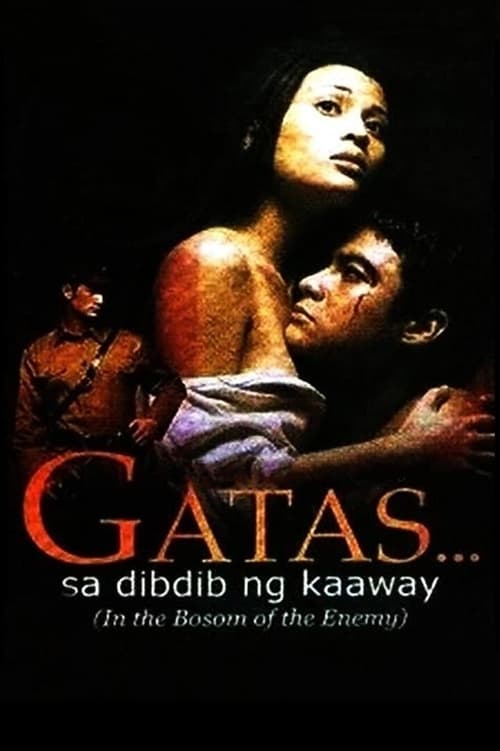
It's the story of a young woman, whose husband, is arrested by the soldiers of a Japanese garrison, on the suspicion that he is a guerilla. Dizon pleads her case to the garrison's commander, who sympathizes and lets Yllana go; when the commander's wife dies and leaves their son motherless, Dizon, is hired to feed the baby from her own breast.