2025
Between 1930 and 1945, Eastern Europe experienced mass violence on an unprecedented scale. Hitler and Stalin exploited the vast region for their respective expansionist plans. It is estimated that around 14 million civilians were murdered—primarily Jews, Poles, Balts, Belarusians, and Ukrainians.
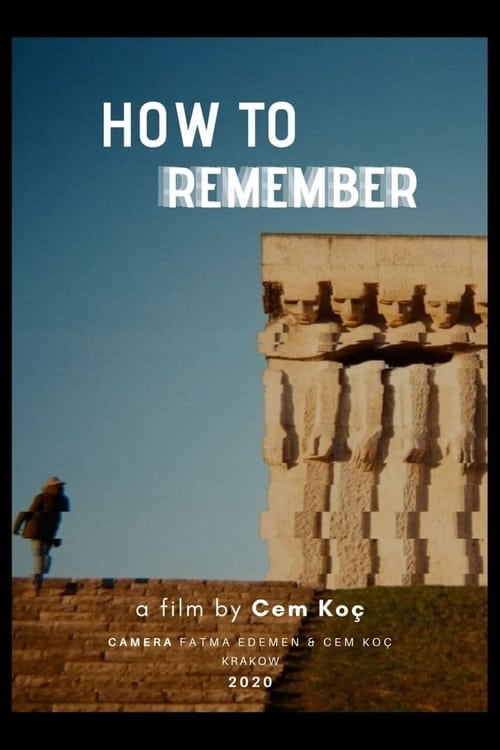
The story of a young Kurdish man who tries to remember his past traumatic experiences. A young migrant struggles to remember the memories of post-2015 Turkey while faced with the commemoration practices of the Holocaust. The film takes place in present-day Krakow, Poland, particularly in the former Nazi concentration camp in Plaszow.
2011
Until now, they have stood on the sidelines. They have not appeared before the cameras. They have not taken part in public discussion. It is mainly to them that the documentary film by the well-known journalist Ewa Ewart was devoted. It shows the face of the Smolensk catastrophe through the eyes of the victims' families. April 10, 2010 went down in the memory of Poles as a day of national drama. But for the characters in the film, it was the day of their greatest personal drama. Along with the presidential couple, their loved ones passed away in shocking circumstances. For most, the time passing since the Smolensk catastrophe does not bring relief. Ewa Ewart and her film crew accompany the families at various stages of their struggle with difficult emotions. The film is in the process of being made and will include sequences and stills that have not been used anywhere before.
2021
A monk who got away with everything. Although much of his behavior aroused public outrage, or at least controversy, he never suffered any real consequences for it.
2019
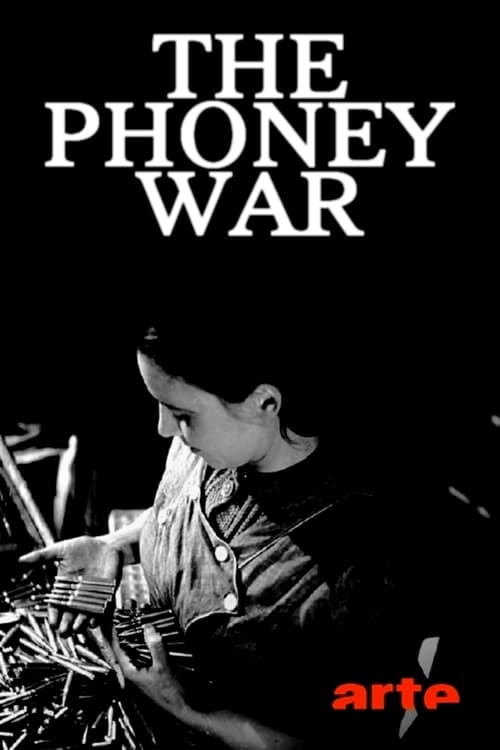
September 3rd, 1939. Britain and France declare war on Nazi Germany, only two days after the Wehrmacht invades Poland. This day, the sad date when the fate of the world changed forever, the Phoney War began: eight months of uncertainty, preparations, evacuations and skirmishes.
2006
The forest in Bykovnia near Kyiv hides the remains of more than 30,000 NKVD victims, including several thousand Poles. In 2006, a team of Polish archeologists, with the cooperation of the Ukrainian side, conducted exhumation work there, which confirmed that Poles were buried in the cemetery. At the time, two people whose fathers are believed to be buried there also came to the Bykovsky forest. The film tells the story of the history of the place, the local residents' perception of it, and the search for the fathers' graves.
Marzena Sowa is a quintessential contemporary European: independent, aware of how the world works—or should work—and single. After her mother’s death, she is consumed by longing and sets off for her distant homeland, a Polish village where her beloved aunt Niuszka—an embodiment of joie de vivre and peace with herself—lived her entire life under the heavy weight of patriarchy. The film becomes a collision of social models, resolved with an open ending.
2022
Ida, the grandniece of Simona Kossak, travels to the Bialowieza Forest at the Polish-Belarussian border. Sorting through the photos left by Lech Wilczek, Ida uncovers the life he had with Simona, captured in the photographs, footage and memories. A moving and powerful documentary about the life of Simona Kossak, a biologist, ecologist and activist known for her efforts to preserve the remnants of natural ecosystems in Poland and for living among the animals in the Białowieża Forest for over 30 years.
2010
Warsaw, Poland, end of the Seventies. Following the workers’ revolt against the rise of prices violently repressed by the communist power, a group of opponents create the KOR (Workers’ Defense Committee). Heir to the currents of opposition to the Communist regime since the end of World War II, sponsored by intellectual and moral personalities who had been standing up against social injustices since the Twenties, the KOR tries to break the information monopoly of the State and to set up an autonomous labor organization.The action of the KOR leads in 1980 to the birth of Solidarnosc, first independent trade union of Eastern Europe.Three members of the KOR remember and tell us the story of a victory against communist power in Europe.
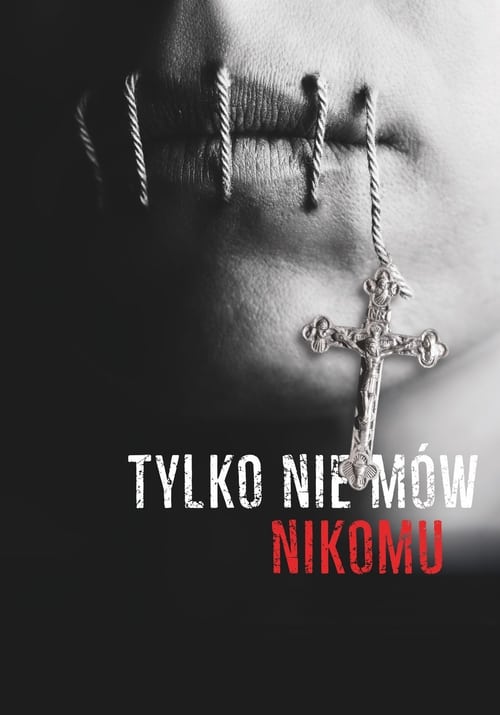
Documentary film about sexual abuse in the Catholic Church in Poland.
2014
Australian filmmaker Sophia Turkiewicz investigates why her Polish mother abandoned her and uncovers the truth behind her mother's wartime escape from a Siberian gulag, leaving Sophia to confront her own capacity for forgiveness.
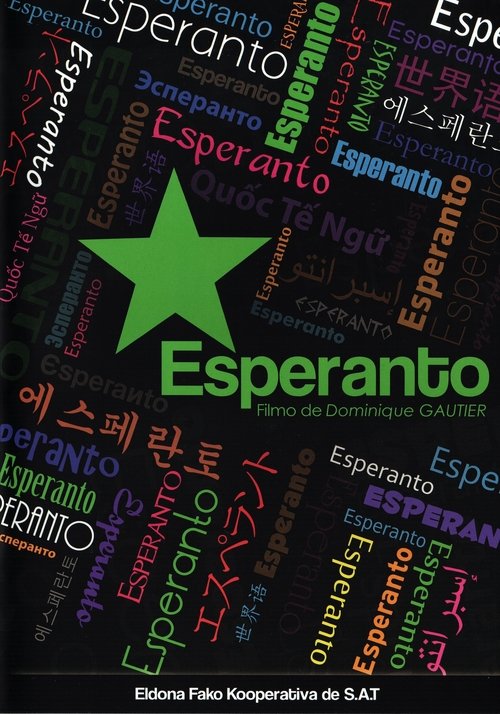
This film, directed by Dominique GAUTIER, takes the viewer on a worldwide excursion into the history and structure of the Esperanto language, introducing its present-day speakers. The words of these users of the language are reflective of a variety of activities and viewpoints, and in the film they are interwoven so as to reveal bit by bit how the utopia of its initiator, Ludwig ZAMENHOF, is concretised every day.