2024
2006
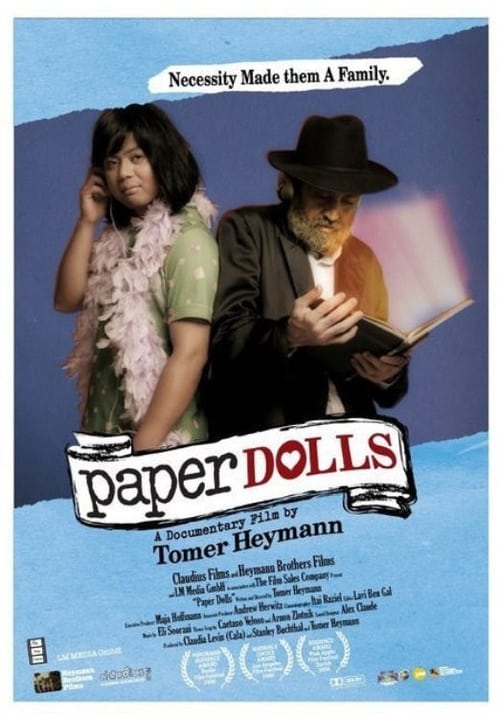
Paper Dolls follows the lives of transgender migrant workers from the Philippines who work as health care providers for elderly Orthodox Jewish men and perform as drag queens during their spare time. It also delves into the lives of societal outcasts who search for freedom and acceptance.
2008
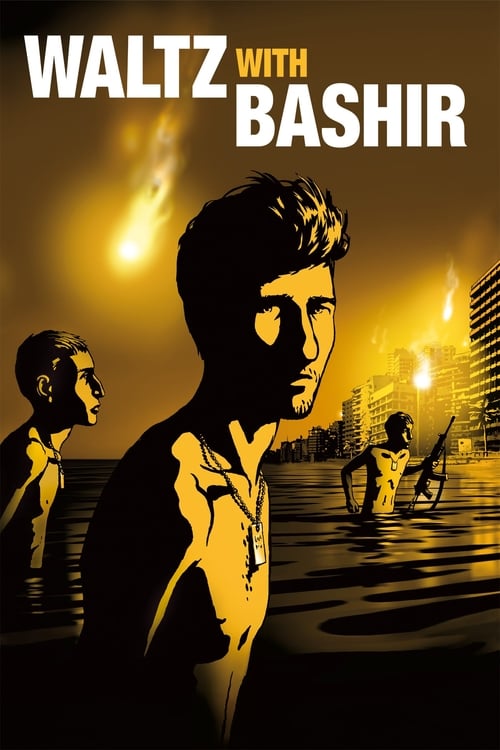
An Israeli film director interviews fellow veterans of the 1982 invasion of Lebanon to reconstruct his own memories of his term of service in that conflict.
2019
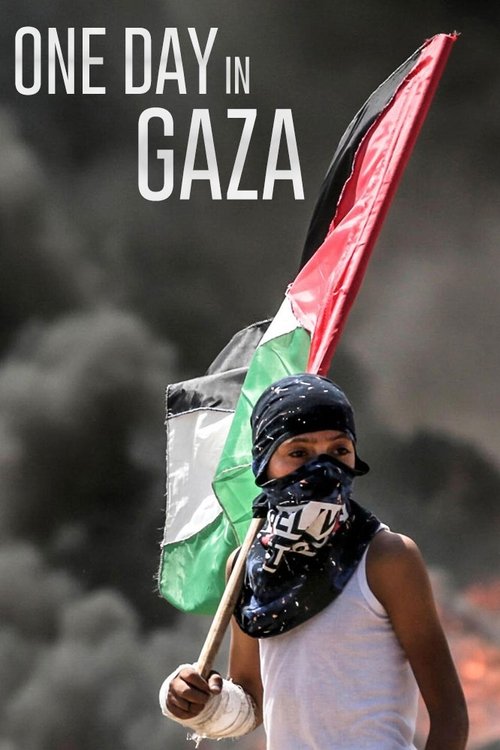
How mass protests on the Israel-Gaza border led to one of the deadliest days in a generation. One year later, a moment-by-moment investigation, drawing on exclusive interviews in Gaza and Israel and videos of the protests and bloodshed.
2004
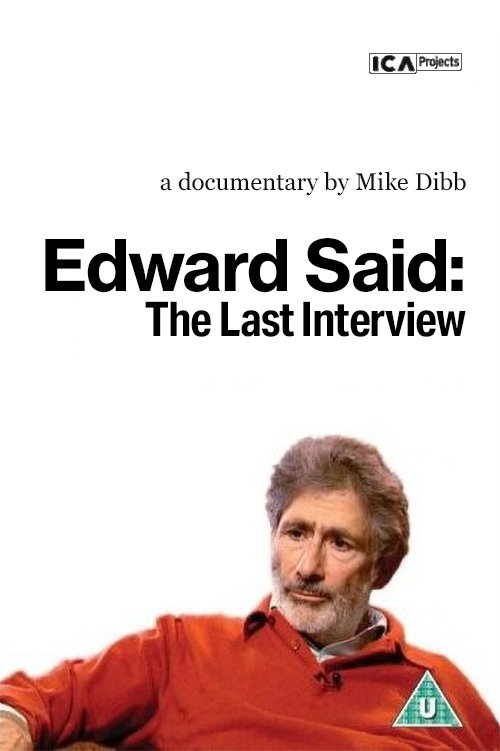
Edward Said, Professor of English & Comparative Literature at Columbia University, was a prominent literary critic of the late 20th century and a leading spokesperson for the Palestinian cause in the US. Born to a Palestinian family in Al-Quds (Jerusalem) in 1935, he and his family were dispossessed in 1948 and settled in Cairo. Educated in the US, he lived in New York for many years. Said was a member of the Palestine National Council. After resigning from the PNC in 1991, Said wrote critically about the post-Oslo peace process, the political failures of Yasser Arafat and the PLO. Said was diagnosed with leukemia in 1991 and struggled with the disease while continuing to write and teach. He stopped giving interviews but made an exception less than a year before his death in 2003, speaking about his illness, work, Palestine, politics, life, and education. The last interview is the final testament of this passionately committed intellectual.
2014
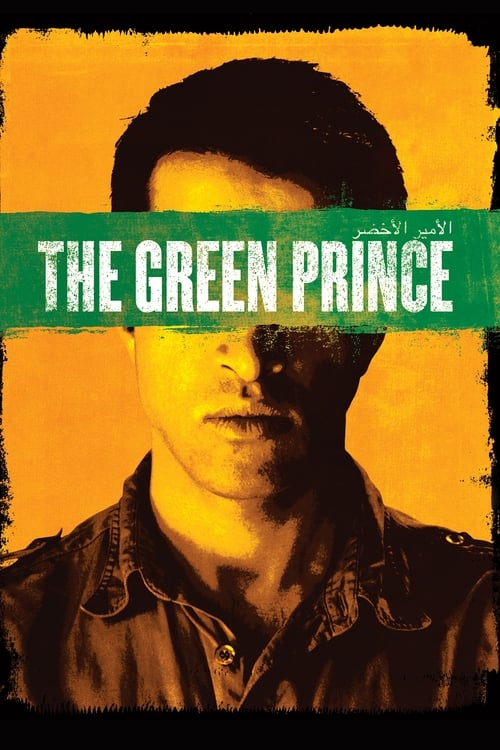
This real-life thriller tells the story of one of Israel’s prized intelligence sources, recruited to spy on his own people for more than a decade. Focusing on the complex relationship with his handler, The Green Prince is a gripping account of terror, betrayal, and unthinkable choices, along with a friendship that defies all boundaries.
Mexico─United States border bar, “Trump Wall” is full of displaced migrants’ grief. Gaston who came to America as a teenager, is expelled from the States at his 40s and meets his family at the Wall. Bassam and Rami, becomes a dad who lost their daughter by each other. This film describes the people who lost their family by the wall and includes the views of refugees, human rights. Actor Jung Woo Sung participated in narration of the film.
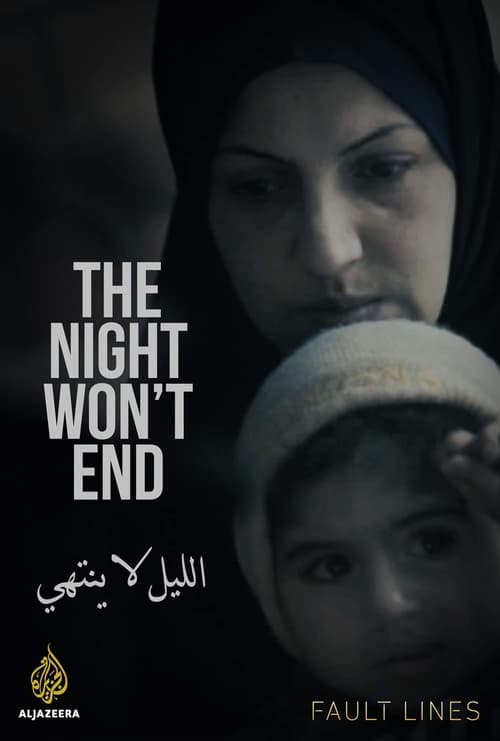
As Israel’s bombing campaign continues in Gaza and the humanitarian crisis deepens to catastrophic levels, the Biden administration has not wavered in its support for Israel. From air strikes to field executions, Fault Lines investigates the killings of civilians by the Israeli military in Gaza and the role of the United States in the war.
The story of the Israeli military assault on Gaza. Seen through the eyes of children, journalists and doctors, Dispatches takes an unflinching look at the horrific challenges and heartbreaking loss. Made by 12 Palestinian film-makers who risked their lives to depict the ongoing assault, this documentary confronts us with the loss and suffering of people whose gaze we have met.
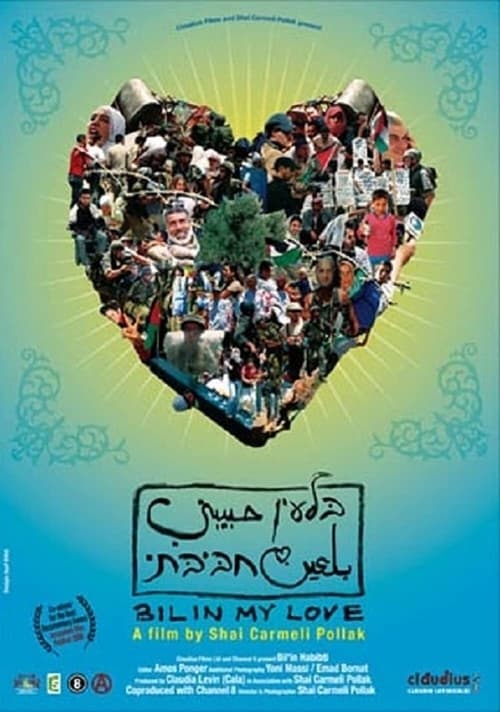
The Israeli filmmaker Shai Corneli Polak records the building of the 'security wall' through Palestinian territory at the village of Bil'in. The villagers protest mostly peacefully, while the Israeli army doesn't react peacefully. By now the Israeli High Court has ruled that the building of the wall was illegal.
1973
Part of a series of promotional films commissioned by Romania's National Tourism Office in the early 1970s with the aim of reconnecting diasporic communities with the country they left behind. In this case, the film is addressed to Jews who emigrated in the context of the Second World War or were sold by the Romanian state to the State of Israel starting in the 50s and settled in Israel and the USA - therefore, a target group made up of seniors, probably retired , possibly prosperous, eager to revisit the places of youth and willing to forget, temporarily, the traumas associated with them.
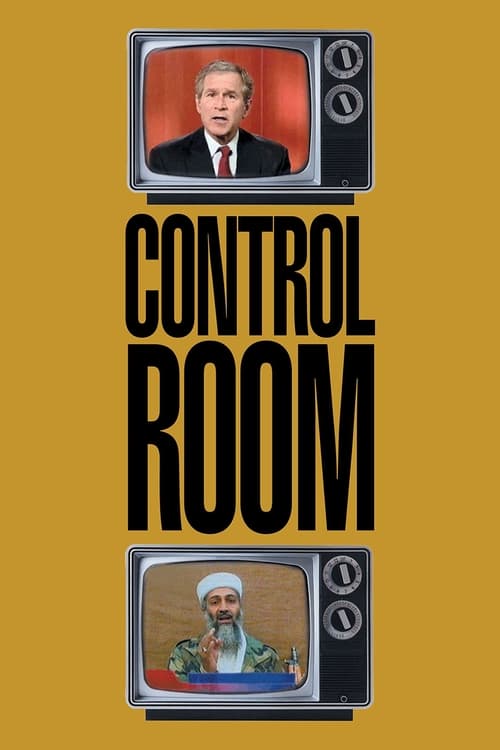
A chronicle which provides a rare window into the international perception of the Iraq War, courtesy of Al Jazeera, the Arab world's most popular news outlet. Roundly criticized by Cabinet members and Pentagon officials for reporting with a pro-Iraqi bias, and strongly condemned for frequently airing civilian causalities as well as footage of American POWs, the station has revealed (and continues to show the world) everything about the Iraq War that the Bush administration did not want it to see.