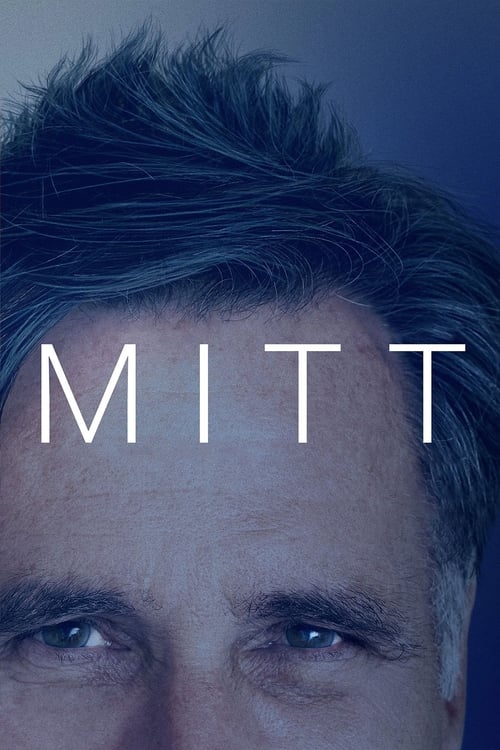
2014
A filmmaker is granted unprecedented access to a political candidate and his family as he runs for President.
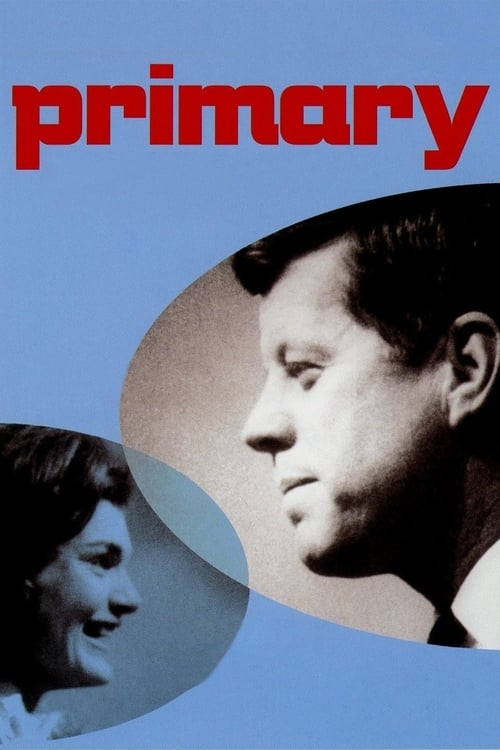
1960
Primary is a documentary film about the primary elections between John F. Kennedy and Hubert Humphrey in 1960. Primary is the first documentary to use light equipment in order to follow their subjects in a more intimate filmmaking style. This unconventional way of filming created a new look for documentary films where the camera’s lens was right in the middle of what ever drama was occurring. Preserved by the Academy Film Archive in partnership with The Film Foundation in 1998.
2016
Ahead of the U.S. Presidential Elections, Angela Scanlon travels across America to meet some of Donald Trump's most unlikely supporters - including a second-generation Mexican American who wants Trump to build that wall.
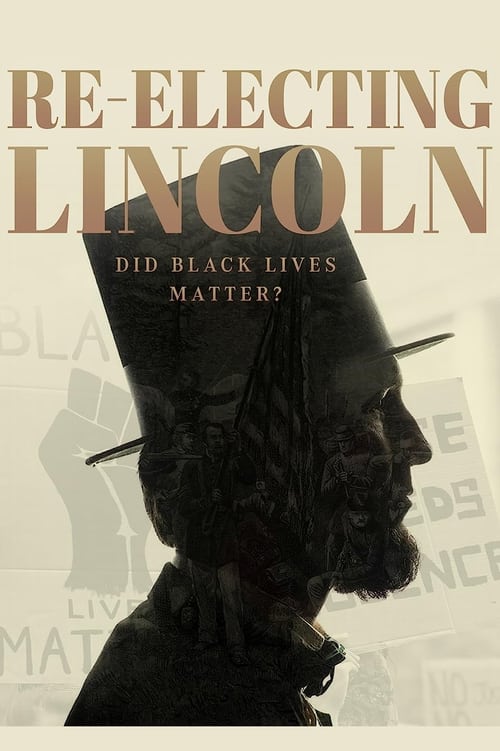
2020
Leading Lincoln historian Harold Holzer masterfully recalls a dramatic Presidential Election that redefined racial politics and changed the course of history.
2007
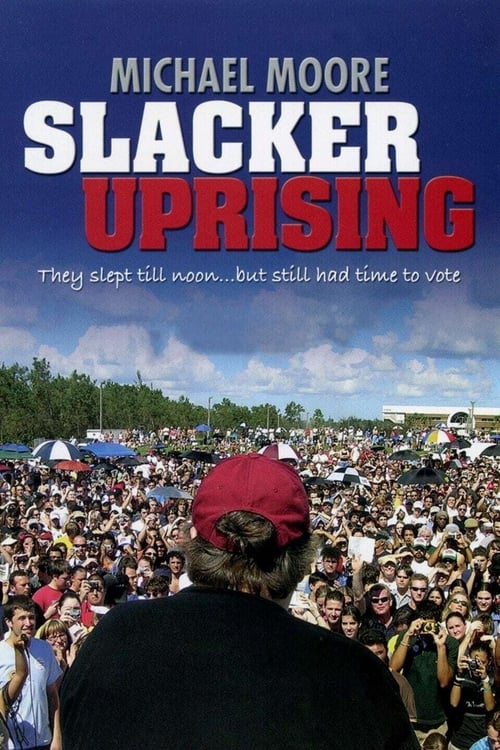
Michael Moore visits colleges in swing states during the 2004 election with a goal to encourage 18–29 year olds to vote.
2024
An inside account of President Trump's challenge to the results of the 2020 presidential election as told by former White House staff and appointees, including former Attorney General William Barr, and elected Republican officials in Arizona and Georgia who resisted pressure to change the results of the vote in their states.
2021
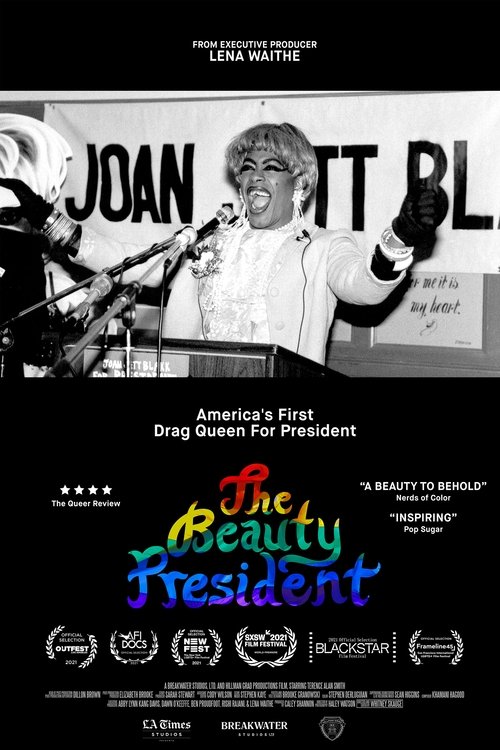
In 1992, at the height of the AIDS pandemic, activist Terence Alan Smith made a historic bid for president of the United States as his drag queen persona Joan Jett Blakk. Today, Smith reflects back on his seminal civil rights campaign and its place in American history.
2017
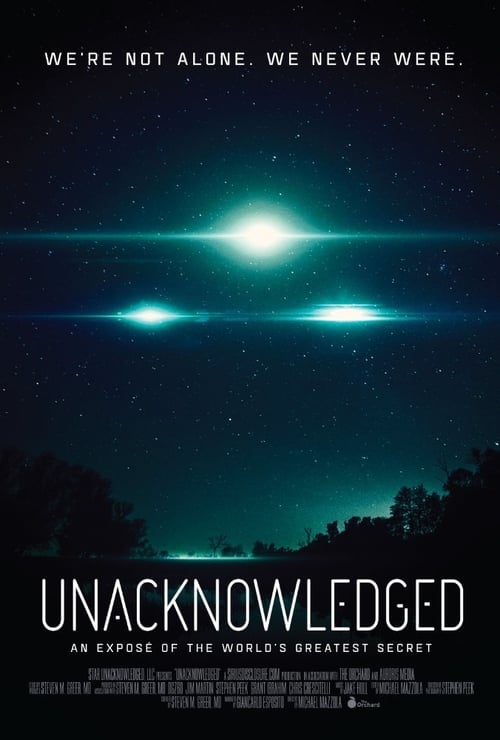
Dr. Steven Greer presents brand new top-secret evidence supporting extraterrestrial contact, including witness testimony, classified documents, and UFO footage, while also exploring the consequences of ruthlessly enforcing such secrecy.
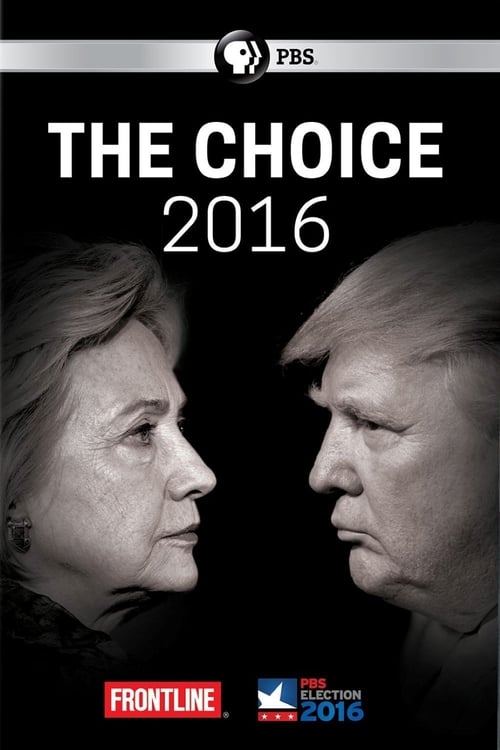
An interwoven investigative biography of U.S. presidential candidates Hillary Clinton and Donald Trump that draws on dozens of interviews from those who know them best—friends and family, advisers and adversaries—as well as authors, journalists and political insiders.
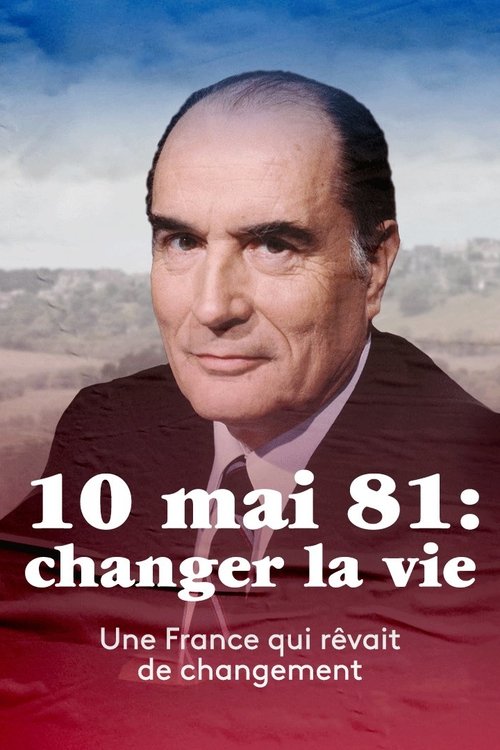
Fourty years ago, in May 1981, with François Mitterrand's election, some people were letting themselves dream about a better life while others were predicting the coming of soviet tanks upon the Champs-Élysées. If we gladly remember the turning point of austerity in 83, there were also the wage rises, the fifth week of paid leave, the abolition of death penalty, the decriminalisation of homosexuality, or the advent of independent radio stations. Rare archives and accounts by those who were at the heart of this story give an overview of it and shed light on lesser-known aspects.
In the hours leading up to Donald Trump’s unexpected victory on Election Day 2016, a cross-section of Americans go about their radically different lives: in Washington DC, Hillary Clinton’s Director of Video giddily anticipates a clean victory; in Massachusetts, a married couple who own a small business spar over how quickly Trump would be able to make America great again; in Utah, a Mormon mother canvases for a third party candidate; in West Virginia, a coal miner worries that the election could lead to the loss of his industry; in San Jose, a Mexican American “Dreamer” worries that the election could lead to deportation; in Alabama, a recently exonerated death row inmate celebrates his first time voting in over 30 years; and in Philadelphia, NPR’s Dave Davies follows the news of the day as it unfolds. As the country braces itself for a surprising turn of events, what emerges is a portrait of American democracy in all its chaotic glory.