2002
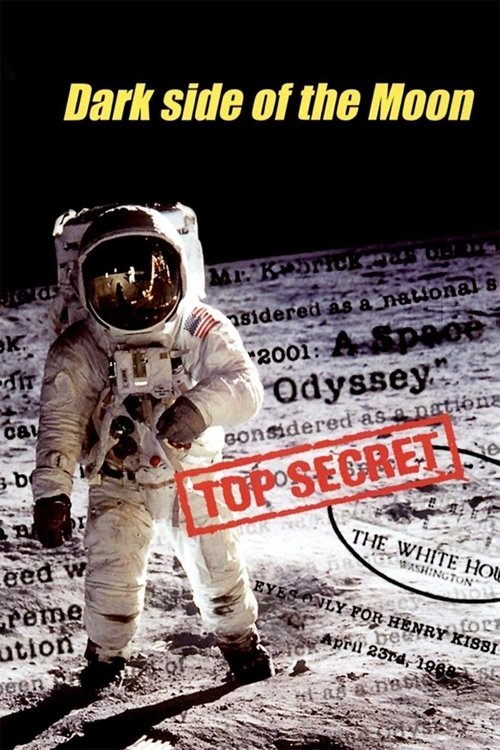
A French documentary or, one might say more accurately, a mockumentary, by director William Karel which originally aired on Arte in 2002 with the title Opération Lune. The basic premise for the film is the theory that the television footage from the Apollo 11 Moon landing was faked and actually recorded in a studio by the CIA with help from director Stanley Kubrick.
1938
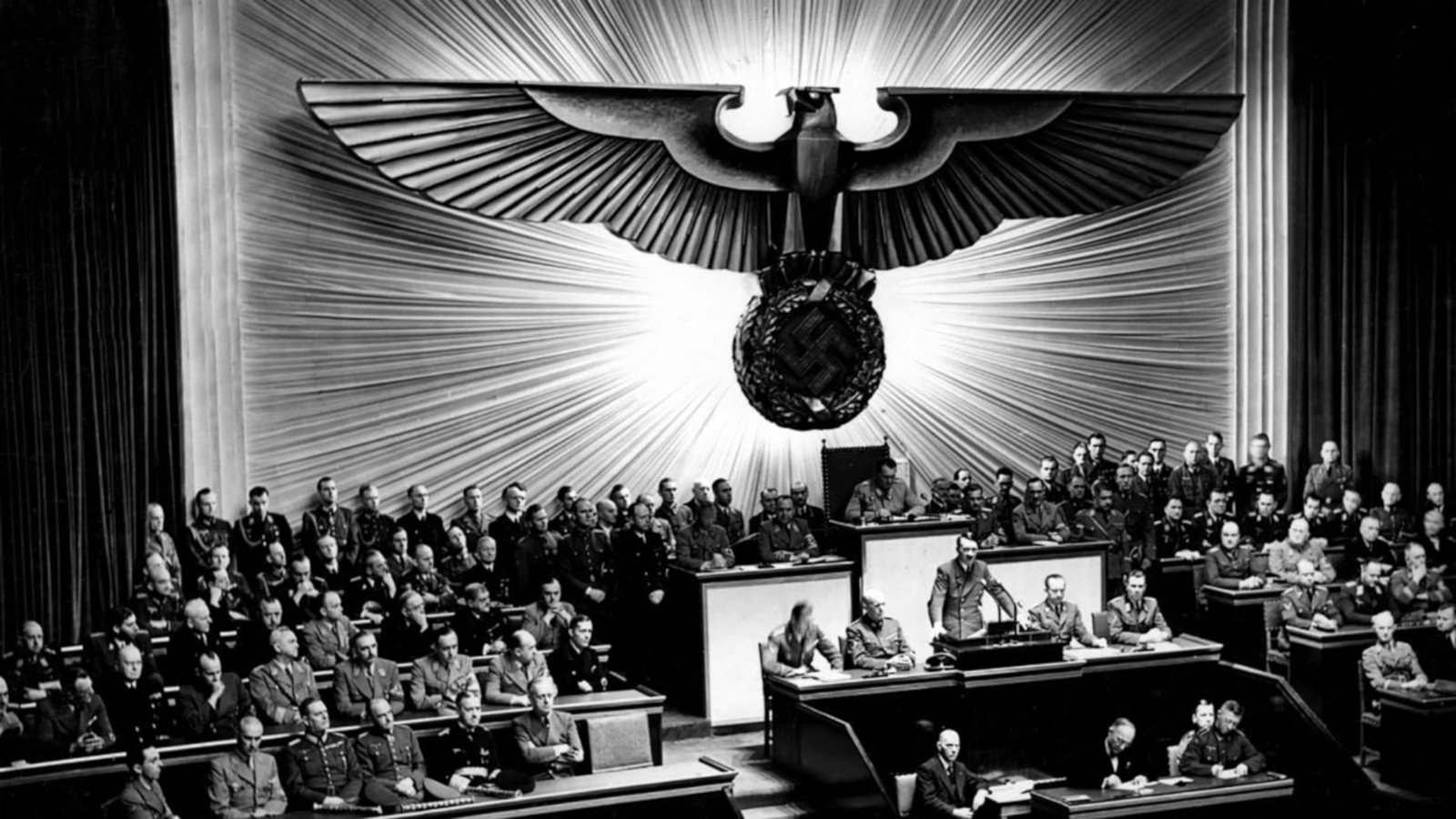
Nazi propaganda film contrasting Germany in the days before Adolf Hitler became Chancellor with the Germany of "today" and how much better it is.
2003
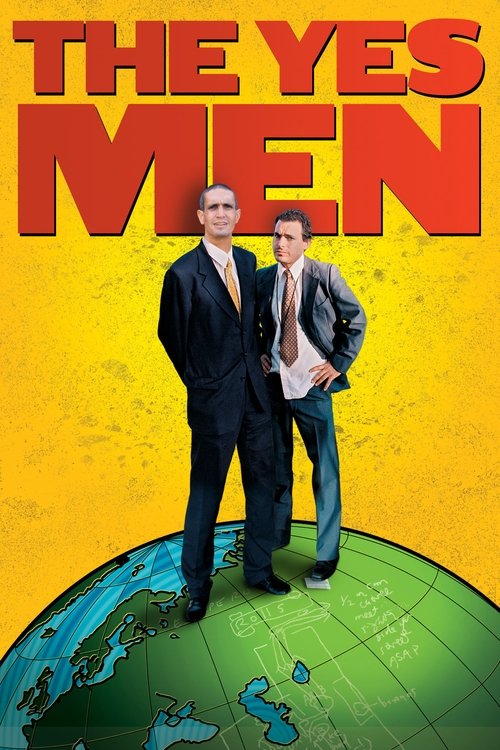
A comic, biting and revelatory documentary following a small group of prankster activists as they gain worldwide notoriety for impersonating the World Trade Organization (WTO) on television and at business conferences around the world.
2016
In How to Meet a Mermaid, the sea becomes a haven for mankind, locked in its struggle with its 'indifferent universe'. Lex, Rebecca, and Miguel each have their own reasons to lay their lives in the hands of the capricious waters. The question remains, however, whether they will find what they so anxiously seek underneath the surface of the waters.
2001
It was the biggest escape in the history of the Berlin Wall: in one historic night of October 1964, 57 East-Berliners try their luck through a tunnel into West Berlin. Just before the last few reach the other side, the East German border guards notice the escape and open fire. Remarkably, all the refugees and their escape agents make it out of the tunnel unscathed, but one border guard is dead: 21-year-old officer Egon Schultz.
A documentary short on logging during winter season.
1999
A photographer and a filmmaker challenge each other to shoot—one to photograph the other to film—two young actresses, one from Tokyo, the other from the countryside. The photographer seeks naturalism in his compositions, and Kawase observes and comments on his work. The competition between the photographer, the filmmaker, and the actresses creates a charged atmosphere.
2012
2014
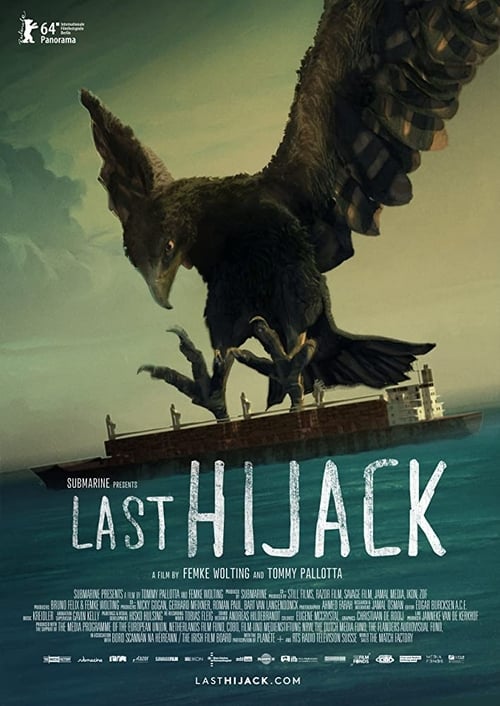
Documentary that follows the lives of two pirates and their community on the Somali coastline; what are the incentives of the pirates, why did they become pirates, how did they grow up in a country with political chaos, war and extreme poverty? The narrative structure is built around two interweaving story-lines; one depicting the "present", the daily lives of the pirates and their community, and the second in the "past", revealing through epic animation, the unfolding of a recent hijacking.
Of all the great ballerinas, Tanaquil Le Clercq may have been the most transcendent. With a body unlike any before hers, she mesmerized viewers and choreographers alike. With her elongated, race-horse physique, she became the new prototype for the great George Balanchine. Because of her extraordinary movement and unique personality on stage, she became a muse to two of the greatest choreographers in dance, George Balanchine and Jerome Robbins. She eventually married Balanchine, and Robbins created his famous version of Afternoon of a Faun for her. She had love, fame, adoration, and was the foremost dancer of her day until it suddenly all stopped. At the age of 27, she was struck down by polio and paralyzed. She never danced again. The ballet world has been haunted by her story ever since.
On February 26, 1920, Robert Wiene's world-famous film The Cabinet of Dr. Caligari premiered at the Marmorhaus in Berlin. To this day, it is considered a manifesto of German expressionism; a legend of cinema and a key work to understand the nature of the Weimar Republic and the constant political turmoil in which a divided society lived after the end of the First World War.
A night flight through hysteria and police surveillance in suburban America.