2006
Six blind Tibetan teenagers climb the Lhakpa-Ri peak of Mount Everest, led by seven-summit blind mountain-climber Erik Weihenmayer.
2013
The key to the communal laundry room in the block of flats on the Rue de Genève 85 in Lausanne serves a much greater function than merely unlocking the door. This encounter between a symbol of typical Swiss mentality with a penchant for order and the tenants who have been housed here by the city’s social services department is not something to be taken for granted. Although the laundry room is normally located in the cellar, the tenants in this building share a tiny laundry room off the entrance hall because the cellar is reserved for prostitution. To maintain order and cleanliness, the landlord hires Claudina, a new “laundry woman”.
2022
After a woman's at-home DNA test reveals multiple half-siblings, she discovers a shocking scheme involving donor sperm and a popular fertility doctor.
2025
Streamed exclusively on her Instagram stories, film maker Janne Elens takes us on a short and intimate journey to her family's abandoned house to reflect on her past and communicate with her deceased grandmother's spirit.
1994
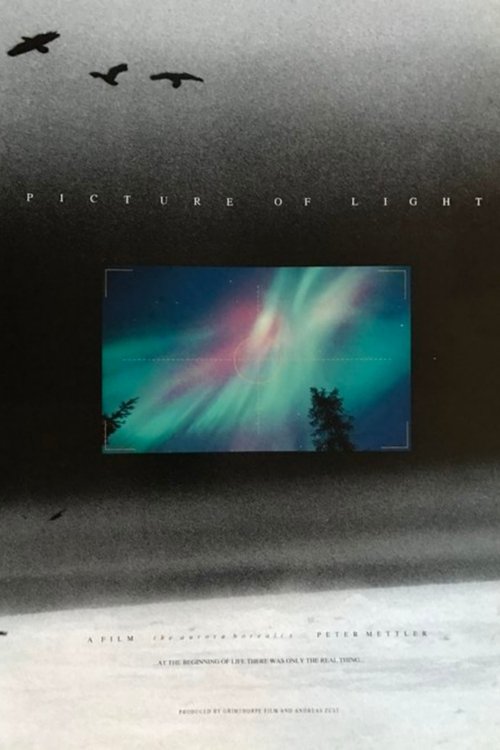
A documentary of an expedition to Churchill, Manitoba to film the Northern Lights.
1981
The French High Mountain Military Group (G.M.H.M.) expedition to Everest in 1981, led by General Pierre Astorg, took place on the north face of the mountain. Fifteen military climbers participated in this expedition, which lasted approximately ninety days. Their goal was to reach the summit by following a siege approach, but despite their efforts, the expedition failed to reach the summit. The French military, engaged since the beginning of March on the north face of Everest (8,848 meters), gave up less than 300 meters from the summit. The climbers, Jean-Claude Mosca, Hervé Sachetat, and Hubert Giot, gave up on setting up Camp 7, the last planned intermediate camp, at 8,600 meters. Poor weather conditions and the physical condition of the expedition members were the reasons for the failure of this meticulously prepared expedition...
2005
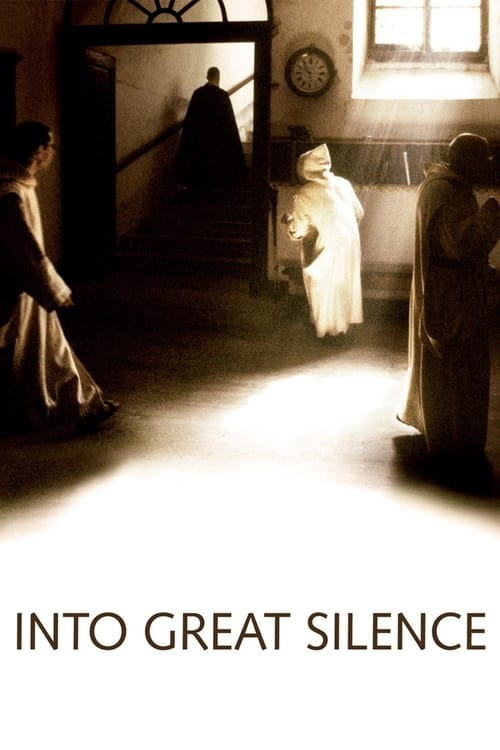
An intimate portrayal of the everyday lives of Carthusian monks of the Grande Chartreuse, high in the French Alps (Chartreuse Mountains). The idea for the film was proposed to the monks in 1984, but the Carthusians said they wanted time to think about it. The Carthusians finally contacted Gröning 16 years later to say they were now willing to permit Gröning to shoot the movie, if he was still interested.
2007
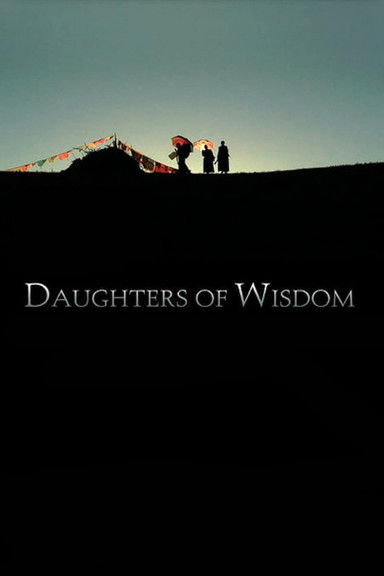
An intimate portrait of the nuns of Kala Rongo, a rare and exceptional Buddhist Monastery exclusively for women situated in Nangchen, in remote and rural northeastern Tibet. These nuns are receiving religious and educational training previously unavailable to women, and playing an unprecedented role in preserving their rich cultural heritage even as they slowly reshape it. They graciously allow the camera a never-before-seen glimpse into their vibrant spiritual community and insight into their extraordinary lives. Some shy, some outspoken, all are committed to the often difficult life they have chosen, away from the yak farms and herding families of their birth. It is the story of their spiritual community, one that couldn't have existed 20 years ago but is thriving today.
2019
Called a maverick, a miracle-worker, and a quack, Dr. Marty Goldstein is a pioneer of integrative veterinary medicine. By holistically treating animals after other vets have given up, Goldstein provides a last hope for pet owners with nothing left to lose.
2016
In 1964, Che Guevara asked the young Jean Ziegler to stay in Switzerland to fight in the "Monster brain" capitalist. Since then, Jean Ziegler nerve stops fighting against injustices as a public writer, a speaker and as a Kofi Annan collaborator. During a trip to Cuba, his ideas are challenged by what he discover on the island.
It is late 2004, and 34-year-old Englishman Alistair Appleton is about to fly from London to the Brazilian coast, where he will drink ayahuasca for the first time. With wit, insight, and sensitivity, Alistair shares this experience with us, and chats with some fellow participants before and after the ayahuasca ceremonies. For the past few years, Alistair had been working as a television presenter. In 2000, he started making trips to the Centre for World Peace and Health in Scotland to learn how to meditate. When clinical psychologist Silvia Polivoy opened an ayahuasca healing center in Bahia in 2004, Alistair faced his fears and seized the opportunity to attend.
2001
Benito Arévalo is an onaya: a traditional healer in a Shipibo-Konibo community in Peruvian Amazonia. He explains something of the onaya tradition, and how he came to drink the plant medicine ayahuasca under his father's tutelage. Arévalo leads an ayahuasca ceremony for Westerners, and shares with us something of his understanding of the plants and the onaya tradition.