1895
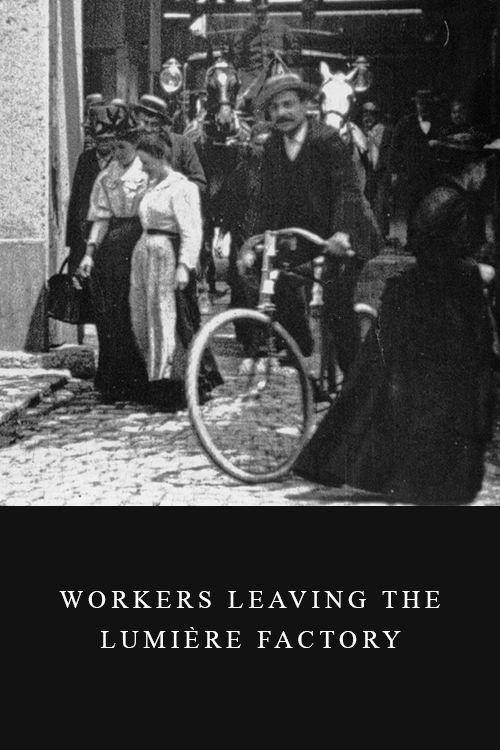
Working men and women leave through the main gate of the Lumière factory in Lyon, France. Filmed on 22 March 1895, it is often referred to as the first real motion picture ever made, although Louis Le Prince's 1888 Roundhay Garden Scene pre-dated it by seven years. Three separate versions of this film exist, which differ from one another in numerous ways. The first version features a carriage drawn by one horse, while in the second version the carriage is drawn by two horses, and there is no carriage at all in the third version. The clothing style is also different between the three versions, demonstrating the different seasons in which each was filmed. This film was made in the 35 mm format with an aspect ratio of 1.33:1, and at a speed of 16 frames per second. At that rate, the 17 meters of film length provided a duration of 46 seconds, holding a total of 800 frames.
2015
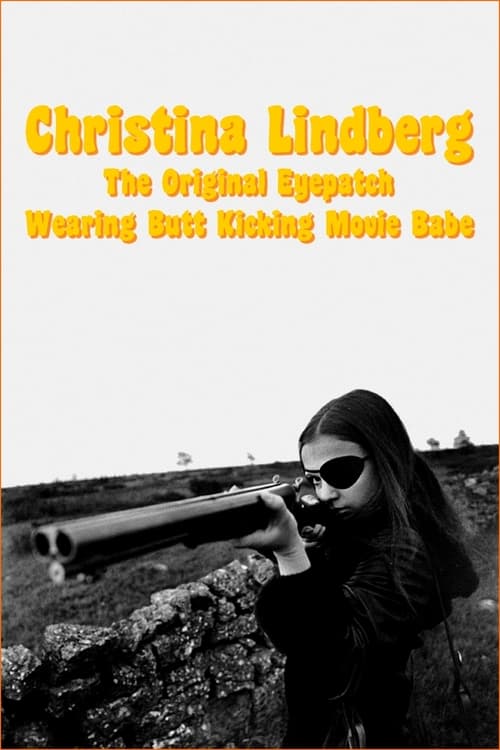
A look at the life and work of Christina Lindberg, the most famous Swedish model of the 1970s and star of exploitation cinema.
2003
This documentary is featured on the two-disc Chaplin Collection DVD for "The Kid" (1921), released in 2004.
2016
This is a conversation starter first, a video second.
1998
A living room, two video cameras, an armchair, two televisions and a mirror: domestic daily life in which colleagues, family and friends come together to decipher the life, personality and artistic trajectory of one of the most important actresses of Venezuelan Cinema: Hilda Vera
2017
‘Tangerine Dream is science fiction!’ declares band leader Edgar Froese who died in January, 2015 aged 70. For almost fifty years he and his band ‘Tangerine Dream’ explored sound and its effect on our emotions. This film about one of Germany’s first electronic bands kicks off with the young Berlin musicians who were as inspired by the space age of the 1960s, with its rocket launchings and visions of the future, as they were by their own heartbeat, on which Froese also based compositions. Aided by the Moog and other synthesisers Froese (and various band members) revolutionised popular music. His explorations took him into the worlds of classical, new and film music. He preferred to visualise moods rather than create clearly structured songs. A blend of amateur footage, interviews with band members, relatives, friends and colleagues such as Jean-Michel Jarre that creates a comprehensive portrait of an artistic pioneer.
1959
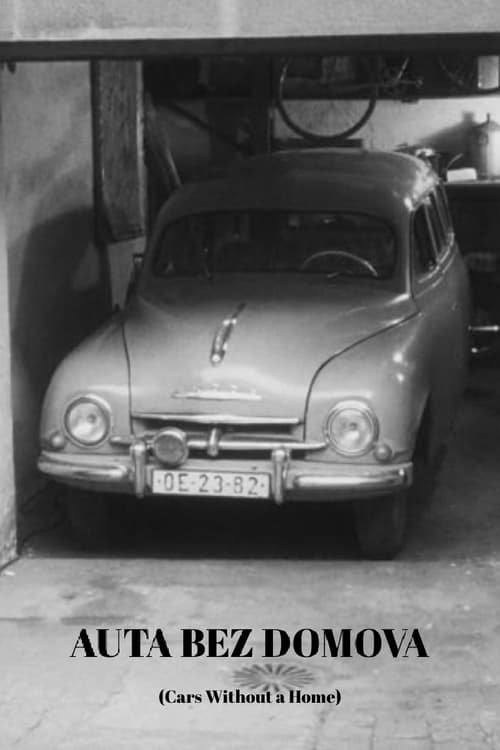
Jan Schmidt and Pavel Juráček turn their attention to the problem of Czechoslovakia's unloved cars in this whimsical documentary short.
2001
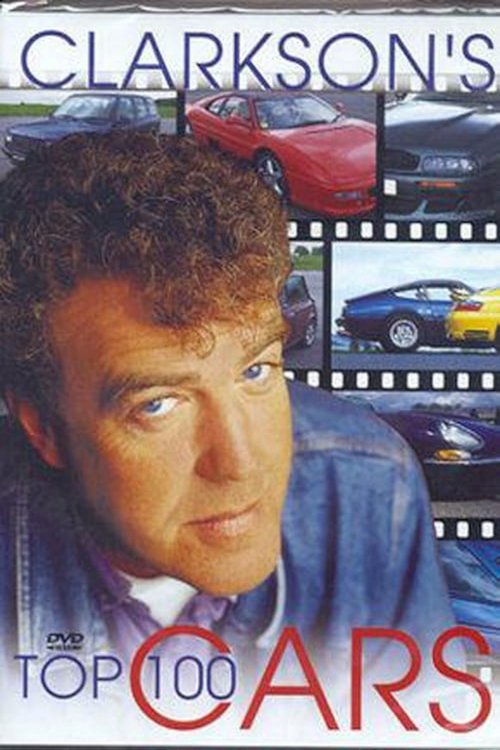
This video continued the trend of its predecessors, with Clarkson driving some super cars around a track and destroying a "bad" one, this time around a Morris Marina, which he disposes of by hooking up to a crane and knocking down a few other despised cars in a giant game of Car Skittles. Elsewhere the video focuses on Clarkson's personal top 100 cars, which he promoted on Granada Television's Men & Motors channel in 2001.
2002
This documentary offers a behind-the-scenes look at Björk and her touring entourage for the 2001 Vespertine tour. It includes interviews with harpist Zeena Parkins, the Inuit choir from Greenland, electronic duo Matmos, and an ongoing conversation with Björk herself about her recordings and her tours. The documentary is interspersed with live footage of songs from the tour shot by Ragnheidur Gestsdóttir, which themselves correspond to the performances chosen for the Vespertine Live album.
2014
Why did the team behind "The Smoking Tire" decide to drive 600 miles, off-road, in a cheap car that they bought over the phone? Is it because they have deep knowledge of outdoor survival and automotive maintenance? No. Definitely not. They did it because away from roads, street signs, people, and police, they would be free to experience every aspect of driving; the good, the bad, and the ugly. There's no one to say, "Don't stand on that moving car." or "Don't run into that." or, "That seems really stupid." If you love cars, total vehicular freedom is your idea of heaven. This series is about 4 guys testing the limits of automobiles, and bringing them to heaven.
1993
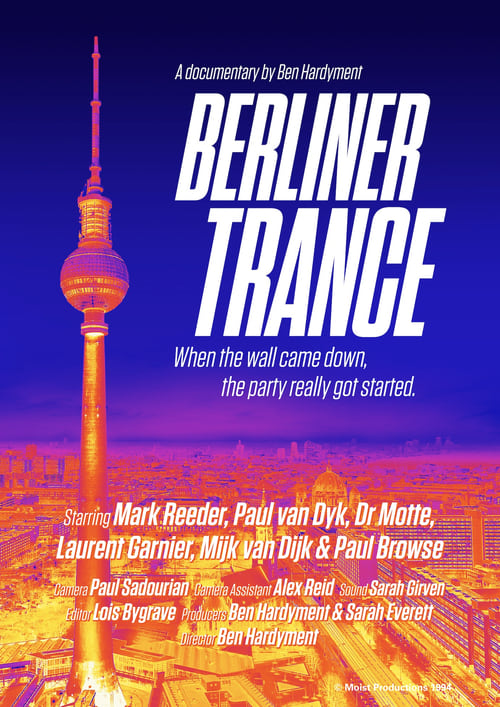
This lost classic, shot on 16mm in a wintry Berlin in 1993, explores the origins of the German trance scene. Featuring interviews with fresh-faced selectors including Laurent Garnier and MFS Records founder Mark Reeder, the documentary also feature footage from the city's iconic Love Parades in 1991 and 1993.
2008
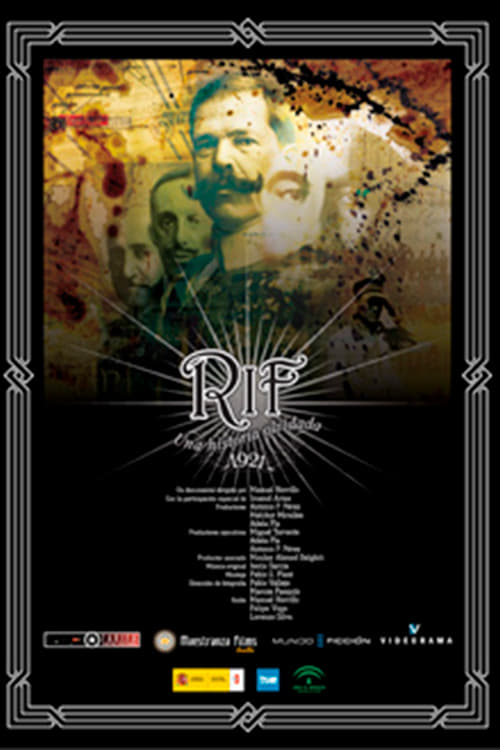
Manuel Horrillo has visited for 7 years the fields where the clashes between the Spanish troops and the rebels of the protectorate took place during the so-called Rif War, a forgotten war of the Spanish collective imaginary.