2020
On December 9, 2019, New Zealand's most active volcano erupted, engulfing 47 day trippers in a toxic ash cloud. 21 lost their lives that day and in the following weeks. Whakaari: A Heroes' Story paints a picture of the chaos and the bravery, and the complex rescue mission to save those stranded on the island.
2007
Global warming in context. What the climate of the past tells us about the climate of the future.
2015
This one-hour documentary film tells the story of "Storm of the Century: The Blizzard of '49" - the worst series of storms in Wyoming's history. But for all the tragedy and loss, suffering and death, there was also hope and heroism, unselfish sacrifice and generosity. The blizzard brought out the best in people. Wyoming citizens from all walks of life cooperated together and demonstrated exceptional ingenuity in the face of dire circumstances. There were extraordinary acts of kindness, with people generously giving their time and resources. The public worked together to overcome seemingly insurmountable obstacles and ultimately won in the end.
2025
"Was it the President who ordered the rivers to be six meters deep?" In 2008, under President Lee Myung-bak's administration, South Korea's Four Major Rivers Restoration Project turned the country's beautiful rivers into scenes of devastation. What were once pristine first-grade waters became lifeless rivers, choked with toxic green algae emitting foul odors. Crops irrigated with this contaminated water are now served on the table of Korean people. The government disguised a grand canal project as river restoration, and the media turned a blind eye — together enabling one of the greatest environmental destructions in Korean history. The consequences of this deception will be borne by future generations. To ensure that future generations can once again run freely along the rivers, we must act—now. We must make Korea's rivers flow again.
2009
Our love affair with dolphins began with 'Flipper' and ended in a multi-million dollar industry of abuse. From the dazzling sea shows where dolphins are driven to suicide, to an annual dolphin slaughter in a small cove in Japan, 'Saving Flipper' reveals the nightmare behind the dolphin's indelible smile.
1996
This video presents a look at the forces of nature in their most devastating mode: lightning storms, tornadoes, flash floods, tidal waves, and hurricanes. The film, made for The Discovery Channel, accompanies professional storm chasers as they ride into the eye of a category five hurricane to gather data and get a close-up view. There is footage of a tornado with 300-mile-per-hour winds, as well as 100-foot tidal waves hurtling towards shore at 500 miles per hour. The viewer witnesses a flash flood and hears an interview with a lightning strike survivor.
2008
"Trouble the Water" takes you inside Hurricane Katrina in a way never before seen on screen. The film opens the day before the storm makes landfall--just blocks away from the French Quarter but far from the New Orleans that most tourists knew. Kimberly Rivers Roberts, an aspiring rap artist, is turning her new video camera on herself and her Ninth Ward neighbors trapped in the city. Weaving an insider's view of Katrina with a mix of verité and in-your-face filmmaking, it is a redemptive tale of self-described street hustlers who become heroes--two unforgettable people who survive the storm and then seize a chance for a new beginning.
2019
Jim Geiger, a retired forest ranger and amateur mountaineer, attempts to become the oldest American and first great grandfather to summit Mt. Everest, aged 68. His transformation from a weekend hiker to attempting one of the most extreme and physically demanding feats known to man is driven by a desire to prove that age is just a number. What ensued, however, forever changed Jim's life.
Filmmaker Judith Helfand's searing investigation into the politics of “disaster” – by way of the deadly 1995 Chicago heat wave, in which 739 residents perished (mostly Black and living in the city’s poorest neighborhoods).
1983
Takes us to locations all around the US and shows us the heavy toll that modern technology is having on humans and the earth. The visual tone poem contains neither dialogue nor a vocalized narration: its tone is set by the juxtaposition of images and the exceptional music by Philip Glass.
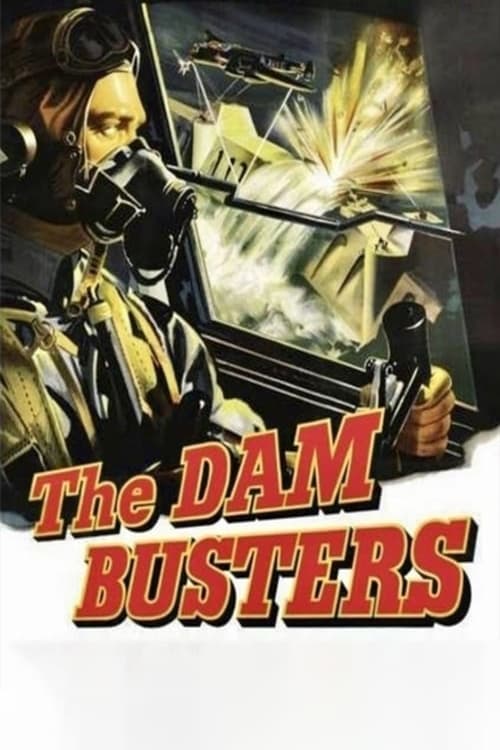
1955
The story of the conception of a new British weapon for smashing the German dams in the Ruhr industrial complex and the execution of the raid by 617 Squadron 'The Dam Busters'.
As co-created by environmentalists Stephan Poulle and Nicolas Koutsikas, the documentary Gulf Stream and the Next Ice Age argues and provides evidence for the idea that mankind is wreaking permanent and potentially irreversible damage on the ecosystem by interfering with the natural course of the Gulf Stream. Koutsikas and Poulle suggest that this interference, in turn, will prompt a new Ice Age that virtually destroys the modern world.