1948
Film director Branko Belan follows the journey of fishermen as they set out to catch tuna around the Velebit Channel.
1969
The Colegio de Arquitectos de Catalunya commissioned Pere Portabella to make this film for the Joan Miró retrospective exhibit in 1969. There were heated discussions on whether it would be prudent to screen the film during the exhibit. Portabella took the following stance: "either both films are screened or they don't screen any" and, finally, both Miro l'Altre and Aidez l'Espagne were shown. The film was made by combining newsreels and film material from the Spanish Civil War with prints by Miró from the series "Barcelona" (1939-1944). The film ends with the painter's "pochoir" known as Aidez l'Espagne.
2019
The world’s biggest fish market is to make room for a highway during the Olympic Games 2020 in Tokyo. After more than 80 years in daily business, the relocation of over 14,000 dealers is a turning point. Especially for old-established dealers this step is not easy. Within four days, all dealers, souvenir and shoe shops, restaurants and service providers such as knife sharpeners are to be relocated to the new location on an artificial island. The closure of Tsukiji is a step towards modern digital real-time trading and we are the only foreign reporter with exclusive access to accompany this adventurous relocation.
2025
2014
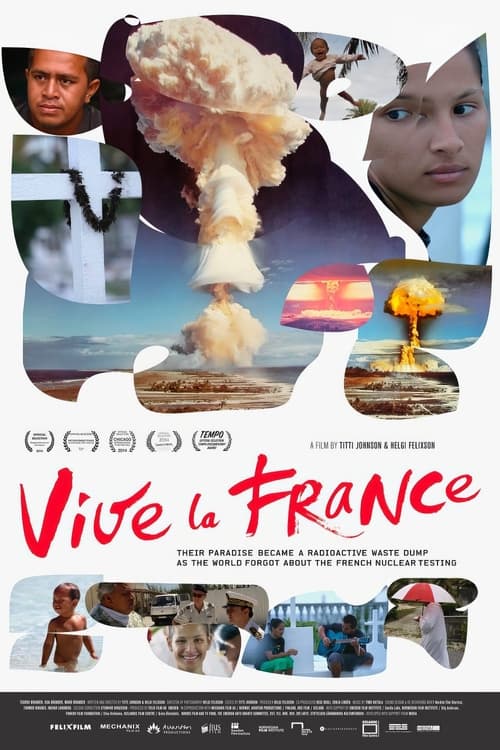
Kua and Teriki will soon get married. They live on the distant Tureia island in the French Polynesia, Pacific Ocean and have just been told that something is wrong with their son Maokis heart. It is a consequence of living only 100 km away from the island of Moruroa, where France has tested 193 atom bombs for 30 years. Several of their family members are sick and Moruroa can soon collapse, which can lead to a tsunami likely to drown all of them. Vive La France is a personal and intimate story about harvesting the consequences of the French atomic program.
2011
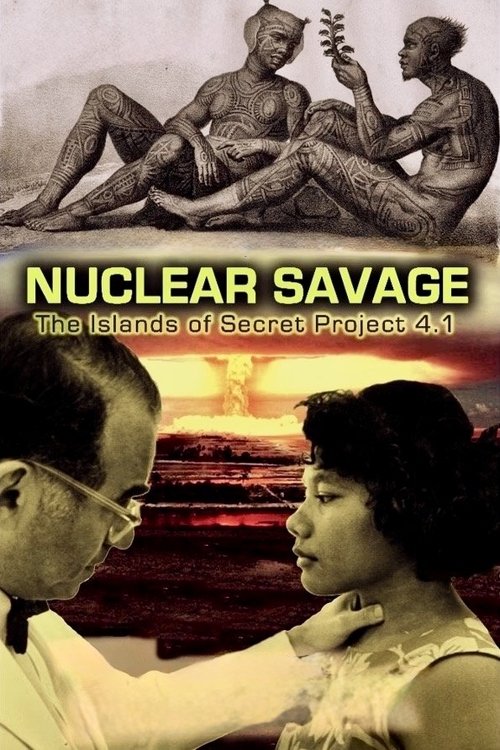
A shocking political exposé, and an intimate ethnographic portrait of Pacific Islanders struggling for survival, dignity, and justice after decades of top-secret human radiation experiments conducted on them by the U.S. government.
1957
First short film by director Jorge Grau, about tuna fishing, with a look somewhere between tourism and anthropology.
1993
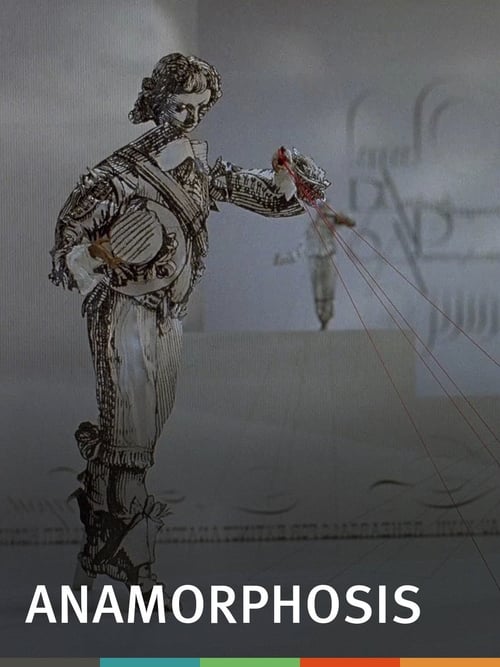
The Quays' interest in esoteric illusions finds its perfect realization in this fascinating animated lecture on the art of anamorphosis. This artistic technique, often used in the 16th- and 17th centuries, utilizes a method of visual distortion with which paintings, when viewed from different angles, mischievously revealed hidden symbols.
New Zealand hip-hop artist Che Fu and his father Tigi Ness travel to their island homeland Niue for the first time to unravel the shared histories. There they also wow the locals with a performance at the Niue Arts and Cultural Festival.
2013
A short documentary about the final weeks of an independent video store in Woodbury, CT.
2009
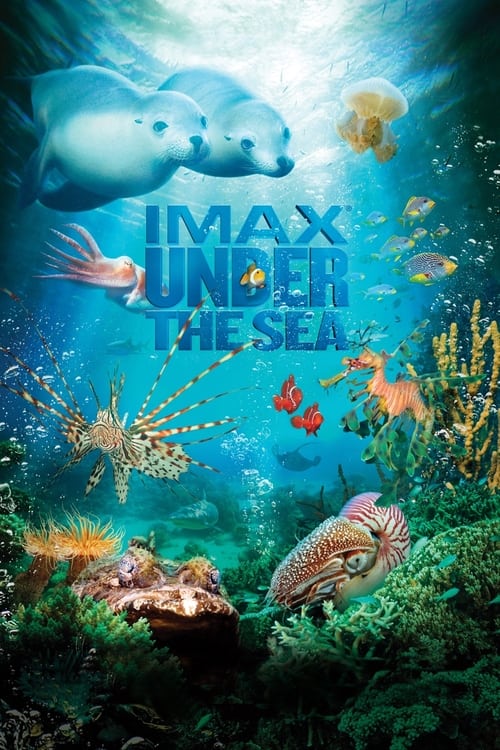
Imagine a world of incredible color and beauty. Of crabs wearing jellyfish for hats. Of fish disguised as frogs, stones and shag carpets. Of a kaleidoscope of life dancing and weaving, floating and darting in an underwater wonderland. Now, go explore it! Howard Hall and his filmmaking team, who brought you Deep Sea and Into the Deep, take you into tropical waters alive with adventure: the Great Barrier Reef and other South Pacific realms. Narrated by Jim Carrey and featuring astonishing camerawork, this amazing film brings you face to fin with Nature's marvels, from the terrible grandeur (and terrible teeth) of a Great White to the comic antics of a lovestruck cuttlefish. Excitement and fun run deep Under the Sea!
1932
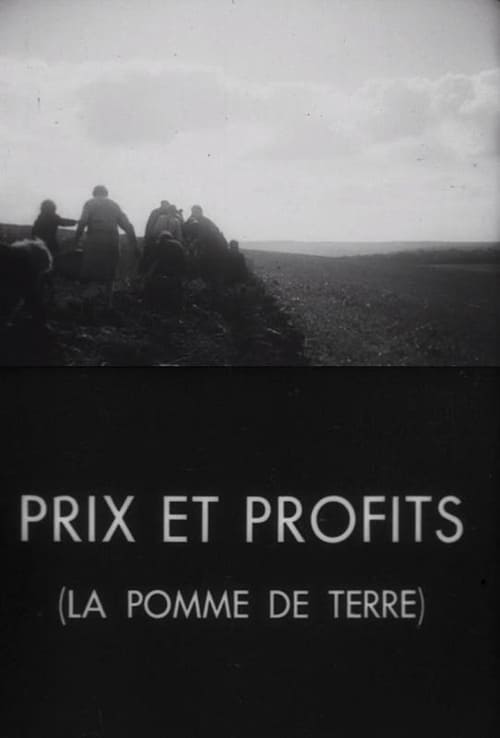
Prix et Profits is a 20-minute short film originally made for educational purposes and released in 9.5mm format. As the title suggests, the film follows the supply chain of a potato, from farmers to consumers, and examines the mechanisms of capitalism.