1961
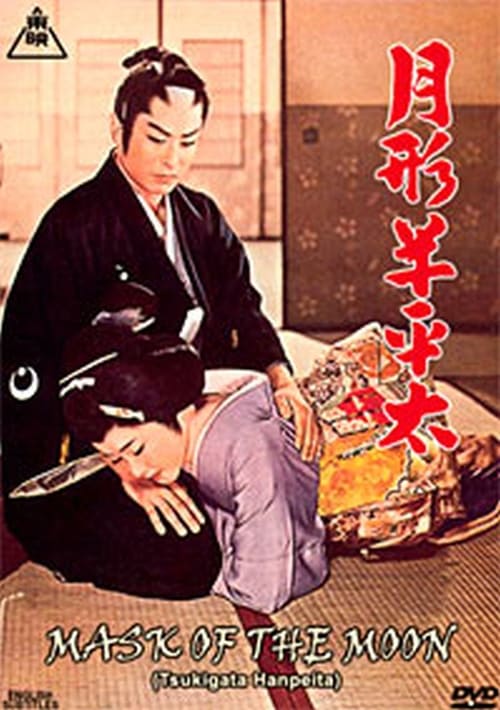
Young swordsman, Tsukigata Hanpeita, longs for the day when rival clans cease their struggles for power and put an end to meaningless feudal wars. When he is appointed to oversee the Choshu Clan, he takes it upon himself to work towards the peace that he has dreamed about. With his affectionate personality and compassion for life, Hanpeita’s popularity grows among the people, making him a threat to those thirsty for conflict and power. A betrayal by those closest to him leaves Hanpeita caught in a trap that could ultimately cost him his life.
1960
Taisuke is kind-hearted but overall lacks ambition. Taizo is smarter, but given to fits of emotion and impulsive violence. The samurai brothers fight against corruption in a castle.
1993
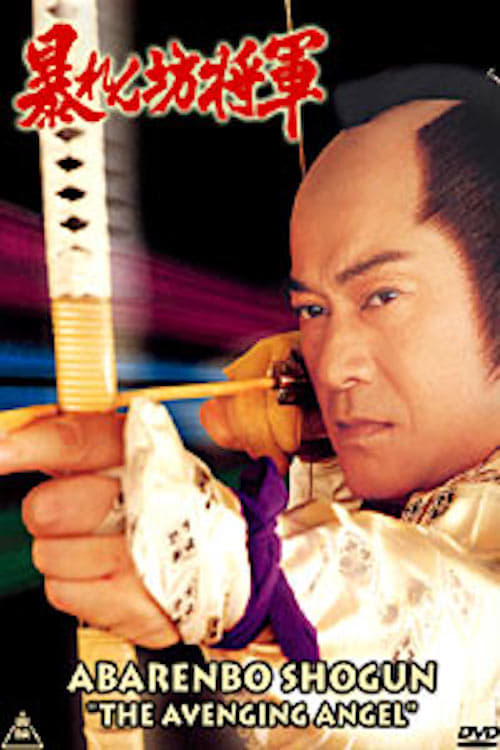
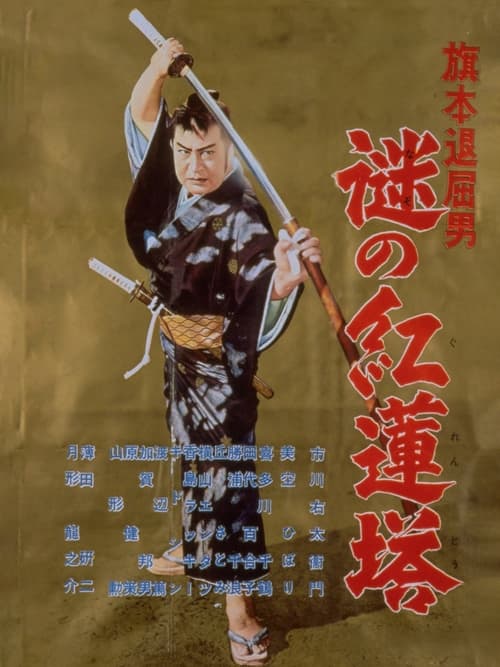
This is a standalone movie, based on the long-running television series about Shogun Yoshimune. When the very foundation of the government is shaken by a counter-feiting scandal, Shogun Tokugawa Yoshimune must take to the road as an itinerant ronin in order to find out who's behind the conspiracy. Meanwhile, a woman acting as an avenging angel begins assassin-ating the suspects in the case, causing Yoshimune to not only find his original quarry, but to help her get her revenge against those corrupt individuals that had murdered her family when she was only a child. Matsudaira Ken shines in his most famous role, the 'Roughneck' Shogun who travels the country seeking to stomp out evil and corruption.
2009
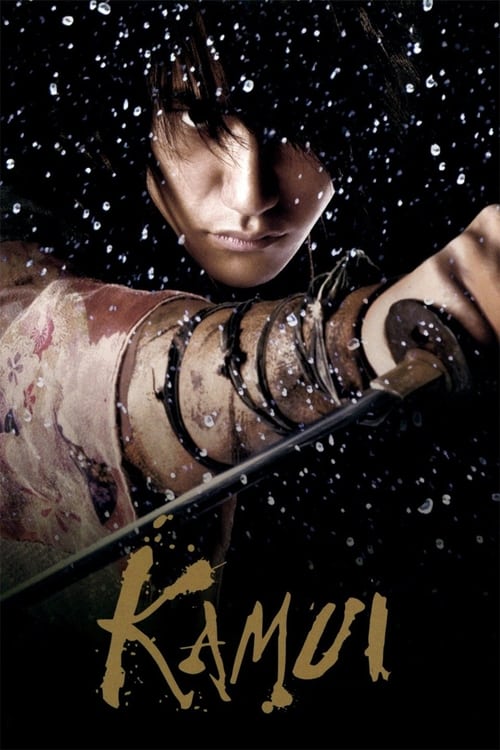
A rebellious ninja in 17th century Japan takes refuge with a fisherman and his family.
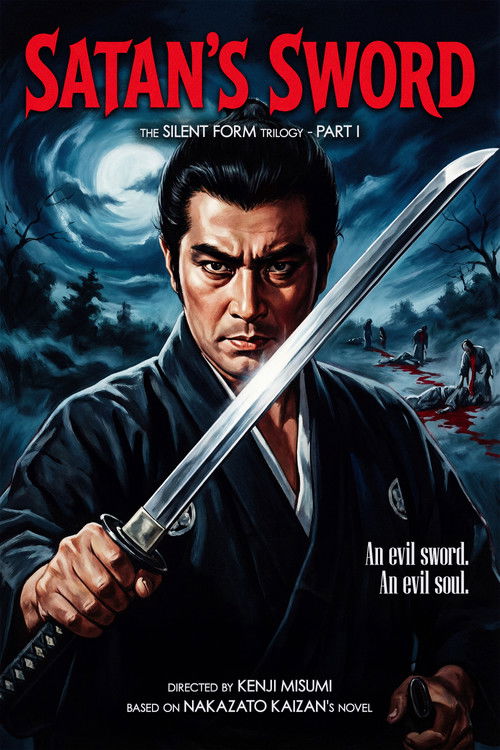
The Dai-bosatsu toge trilogy is based on Kaizan Nakazato's unfinished long series of novels (41 books, written from 1913 to 1941). Set in the last period of the Tokugawa Shogunate, Daibosatsu Toge tells the story of Ryunosuke Tsukue, a nihilistic swordmaster who doesn't hesitate to kill anyone, bad or good.
1970
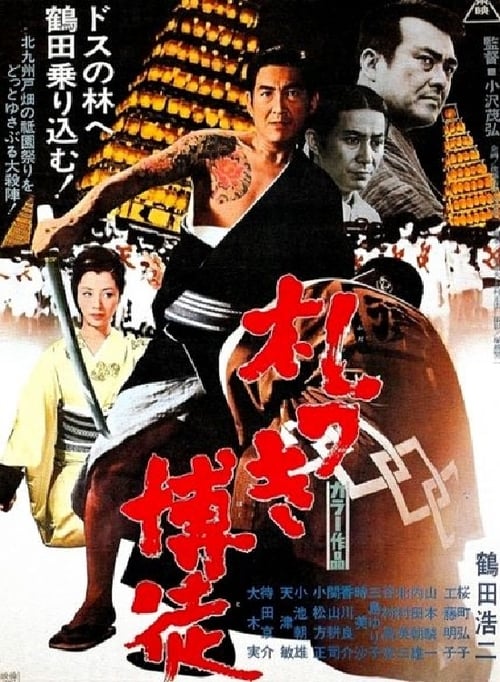
A lone gambler tries to keep a yakuza family from taking over a festival in Kitakyushu. After away from his hometown for 13 years, Ryuji comes back and saves the town that is becoming run-down from yakuza’s ill deeds.
1965
Years of warfare end in a Japan unified under the Tokugawa shogunate, and samurai spy Sasuke Sarutobi, tired of conflict, longs for peace. When a high-ranking spy named Tatewaki Koriyama defects from the shogun to a rival clan, however, the world of swordsmen is thrown into turmoil. After Sasuke is unwittingly drawn into the conflict, he tracks Tatewaki, while a mysterious, white-hooded figure seems to hunt them both. By tale’s end, no one is who they seemed to be, and the truth is far more personal than anyone suspected. Director Masahiro Shinoda’s Samurai Spy, filled with clan intrigue, ninja spies, and multiple double crosses, marks a bold stylistic departure from swordplay film convention.
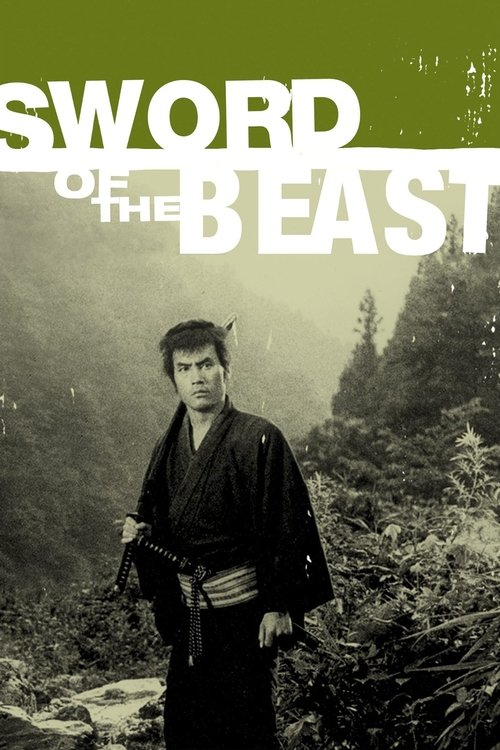
Legendary swordplay filmmaker Hideo Gosha's Sword of the Beast chronicles the flight of the low-level swordsman Gennosuke, who kills one of his ministers as part of a reform plot. His former comrades then turn on him, and this betrayal so shakes his sense of honor that he decides to live in the wild, like an animal. There he joins up with a motley group who are illegally mining the shogun’s gold, and, with the aid of another swordsman, gets a chance not just at survival but to recover his name and honor.
1957
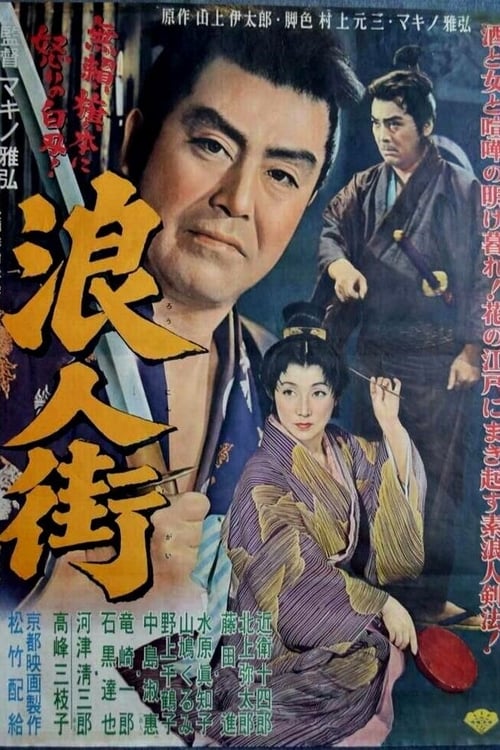
Based on the famous novel by Yamagami Itaro, this is the story of a group of ronin living in abject poverty in the latter days of the Edo period. Starring the great Konoe Jushiro, Ronin Gai is populated by an ensemble of colorful characters, social outcasts who patronize a restaurant and bar on the outskirts of Edo. Among them are masterless samurai reduced to drunkenness and debauchery. One disgraced and disillusioned former warrior gets a chance at redemption when he is hired to retrieve a famous knife from a corrupt lord. This is the third version directed by Makino Masahiro and is considered a true classic.
2014
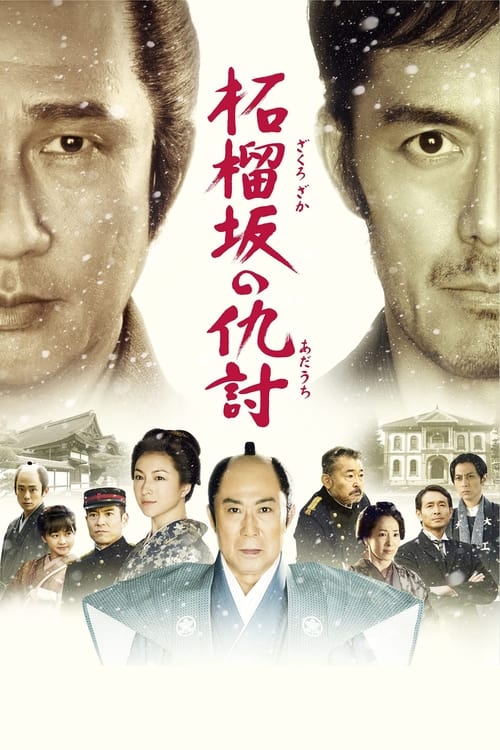
At Sakurada Gate in 1860, the shogun’s chief minister and his retinue of bodyguards are ambushed and annihilated. Bearing the responsibility and shame for this failure is Shimura Kingo, master swordsman and chief of the guard. Forbidden to take his own life in atonement, he is instead tasked with hunting down the remaining assassins; however, fate intervenes and now only one is left. Devoted to his late lord and his duty, he relentlessly pursues the sole remaining assassin for the next thirteen years. But times are changing in Japan and the way of the sword has become outlawed. What does this mean for Kingo?
Bored Hatamoto film #21
1967
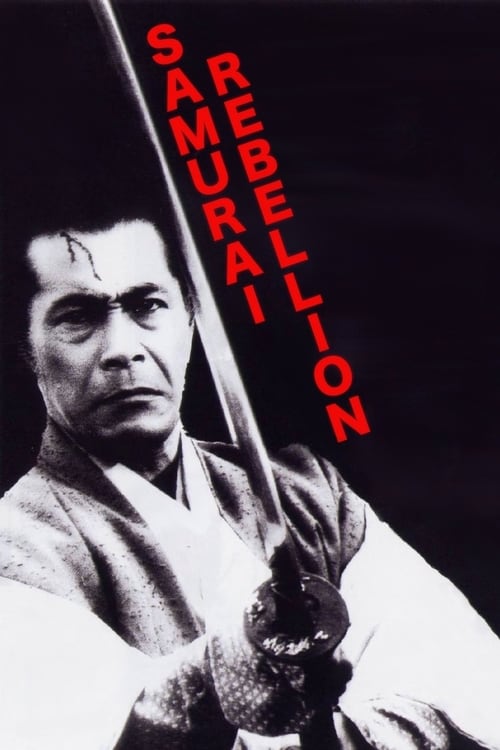
The mother of a feudal lord's only heir is kidnapped by the lord. Her husband and his samurai father must decide whether to accept the unjust decision, or risk death to rescue her.