1972
Earth's environmental crisis--brought about by uncontrolled technological progress--is endangering life on a global scale. At the core of the threats to the planet - wars, overpopulation, pollution, and the depletion of natural resources - is the inadequacy of the nation state to come to terms with the surmounting problems of twentieth century living. What is urgently needed is the kind of international cooperation where nation states relinquish part of their sovereignty to a world body entrusted with the management of mankind's future.
2021
David Attenborough and scientist Johan Rockström examine Earth's biodiversity collapse and how this crisis can still be averted.
1987
2011
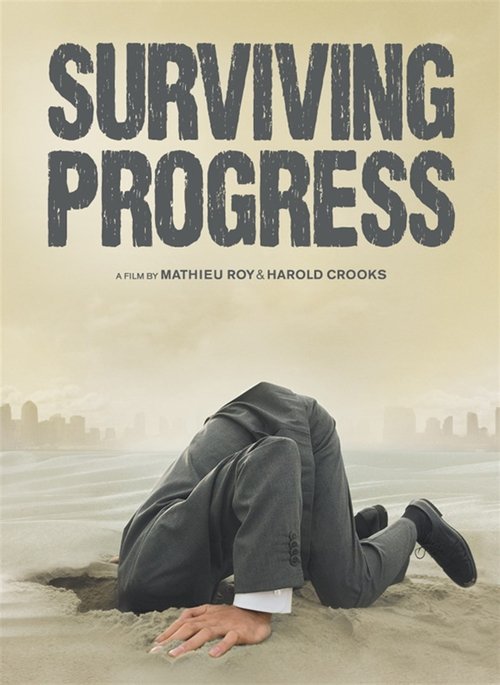
Humanity’s ascent is often measured by the speed of progress. But what if progress is actually spiraling us downwards, towards collapse? Ronald Wright, whose best-seller, “A Short History Of Progress” inspired “Surviving Progress”, shows how past civilizations were destroyed by “progress traps”—alluring technologies and belief systems that serve immediate needs, but ransom the future. As pressure on the world’s resources accelerates and financial elites bankrupt nations, can our globally-entwined civilization escape a final, catastrophic progress trap? With potent images and illuminating insights from thinkers who have probed our genes, our brains, and our social behaviour, this requiem to progress-as-usual also poses a challenge: to prove that making apes smarter isn’t an evolutionary dead-end.
2013
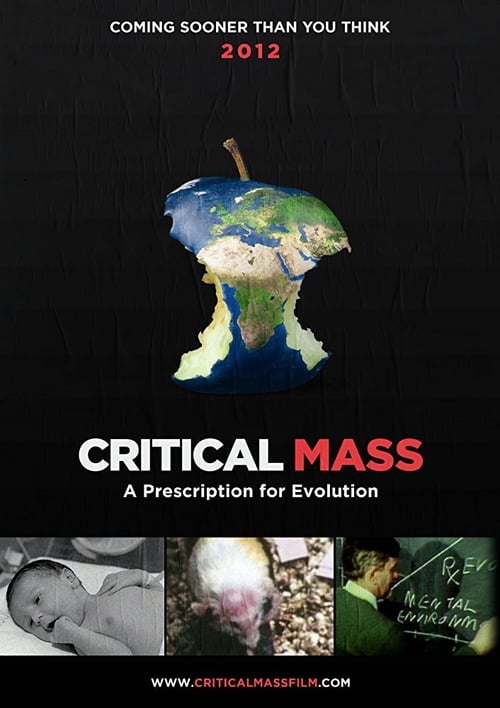
Things aren't looking good for the world's population; as we multiply at an alarming rate there is not enough food, space... or sense. This intelligent film interweaves a fascinating 1960s rat experiment by Dr. John B. Calhoun with a slick snapshot of today's urban jungle.
2018
The struggle to pass the 1967 Abortion Act and its continued ramifications to the present day. Featuring never before broadcast interviews with women who had backstreet abortions, those in the medical profession on both sides of the debate, and the politicians and campaigners who were at the forefront of the law on illegal abortion being changed.
2012
A follow-up to Rob Stewart's documentary Sharkwater, this continues his journey of discovery to find out that what he thought was a shark problem is actually a people problem. As Stewart's battle to save sharks escalates, he uncovers grave dangers threatening not just sharks, but humanity. In an effort to uncover the truth and find the secret to saving our own species, Stewart embarks on a life-threatening adventure through 15 countries, over four years in the making. In the past four years the backdrop of ocean issues has changed completely. Saving sharks will be a pointless endeavor if we are losing everything else in the ocean, not just sharks. Burning fossil fuels is releasing carbon dioxide into the atmosphere; changing the oceans, changing atmospheric chemistry and altering our climate.
1984
Women have always sought ways to terminate unwanted pregnancies, despite powerful patriarchal structures and systems working against them. This film provides a historical overview of how church, state and the medical establishment have determined policies concerning abortion. From this cross-cultural survey--filmed in Ireland, Japan, Thailand, Peru, Colombia, and Canada--emerges one reality: only a small percentage of the world's women has access to safe, legal operations.
2016
With a single abortion clinic remaining in the state of Mississippi, the city of Jackson has become ground zero in the nation's battle over reproductive health-care. Jackson is an intimate portrait of the interwoven lives of three women in this town. Wrought with the racial and religious undertones of the Deep South, the lives of two women are deeply affected by the director of the local pro-life crisis pregnancy center and the movement she represents.
1964
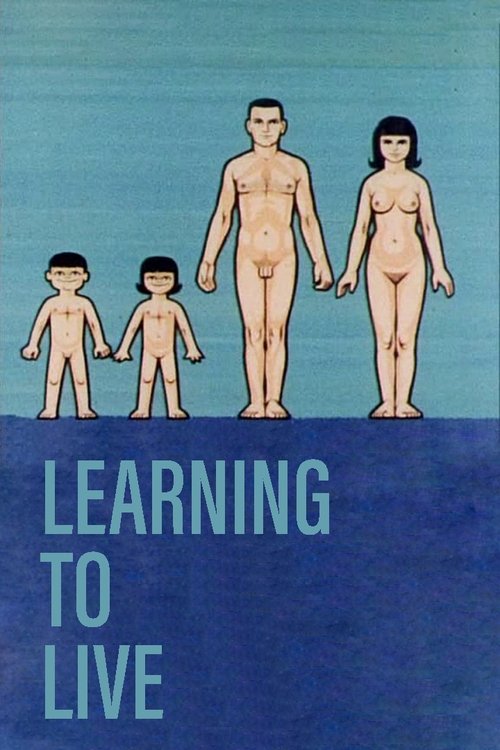
A basic sex education film designed for young engaged couples.
1995
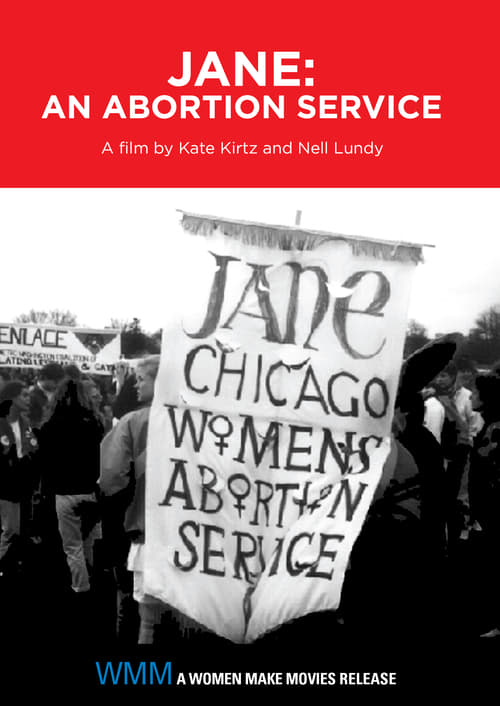
This fascinating political look at a little-known chapter in women's history tells the story of "Jane", the Chicago-based women's health group who performed nearly 12,000 safe illegal abortions between 1969 and 1973 with no formal medical training. As Jane members describe finding feminism and clients describe finding Jane, archival footage and recreations mingle to depict how the repression of the early sixties and social movements of the late sixties influenced this unique group. Both vital knowledge and meditation on the process of empowerment, Jane: An Abortion Service showcases the importance of preserving women's knowledge in the face of revisionist history. JANE: AN ABORTION SERVICE was funded by the Independent Television Service (ITVS) with funds provided by the Corporation for Public Broadcasting.
1978
An exploration of the reality of potential nuclear attacks on the United States with an emphasis that survival is possible. It outlines key strategies for protection during a nuclear emergency, including recognizing warning signals, taking immediate cover, and understanding the effects of a nuclear explosion. The film stresses the importance of preparation, including knowing evacuation routes and creating a family protection plan. It also highlights the significance of mass, distance, and time as defenses against radiation, and encourages citizens to stay informed and ready in the event of a crisis.