2000
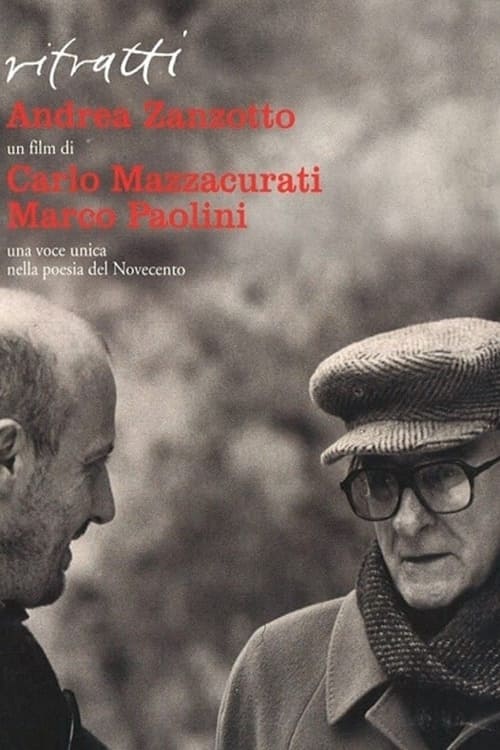
Marco Paolini discusses with poet Andrea Zanzotto about nature, history and language.
1995
A feature length documentary that tells the story of nine young men and women constructing positive lives as they face the challenges of growing up poor in one of America's most famous African American communities.
2025
Born in 1948, Peter Street struggled at school with epilepsy and illiteracy in Bolton, Lancashire, and, later in life, as a slaughterman, a gravedigger and a war poet. At 66 years old he was then diagnosed with autism, and his world changed forever.
2020
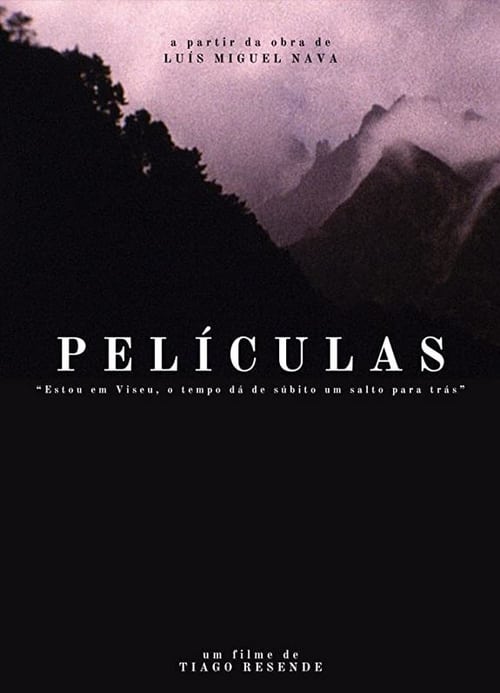
Películas is the name of a poetry book by Luís Miguel Nava, a homosexual poet, born in Viseu, who died in Brussels and whose magnificent poetic work remains widely unknown. Drawn from the filmmaker’s family super8 film archive, and excerpts from the film Un chant d'amour, by Jean Genet, the film builds a “body” marked by memories, by various skins, by Nava's films, by his poems and by its landscapes.
2013
This documentary highlights the evolution of Brazil's Circo Voador venue from homespun artists' performance space to national cultural institution.
1994
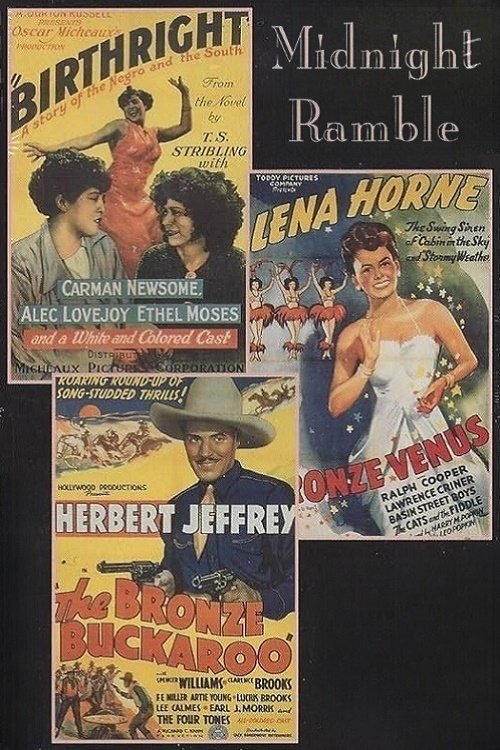
A documentary chronicling the pioneering efforts of black filmmaker William D. Foster in the early years of the industry and Oscar Micheaux's controversial impact on the subsequent "race movies".
2006
After a quarter-century of political denial and social stigma, of stunning scientific breakthroughs, bitter policy battles and inadequate prevention campaigns, HIV/AIDS continues to spread rapidly throughout much of the world. Through interviews with AIDS researchers, world leaders, activists, and patients, FRONTLINE investigates the science, politics, and human cost of this fateful disease and asks: What are the lessons of the past, and what can be done to stop AIDS?
2016
About the poet C.A.Conrad, an eccentric Elvis worshiping poet and tarot card reader, who confronts his violent past and the suspicious death of his boyfriend, Earth. The film attempts to unravel the mystery of Earth's death, while Conrad wrestles with his inner demons through a series of unconventional rituals and a tour of the deep South.
2015
Follows the young people of Selma, Alabama's RATCo (Random Acts of Theatre Company) as they journey to New York City to share their story of hope, resilience, and overcoming.
2008
An American story. Traces the career of Joe Louis (1914-1981) within the context of American racial consciousness: his difficulty getting big fights early in his career, the pride of African-Americans in his prowess, the shift of White sentiment toward Louis as Hitler came to power, Louis's patriotism during World War II, and the hounding of Louis by the IRS for the following 15 years. In his last years, he's a casino greeter, a drug user, and the occasional object of scorn for young Turks like Muhammad Ali. Appreciative comment comes from boxing scholars, Louis's son Joe Jr., friends, and icons like Maya Angelou, Dick Gregory, and Bill Cosby.
2005
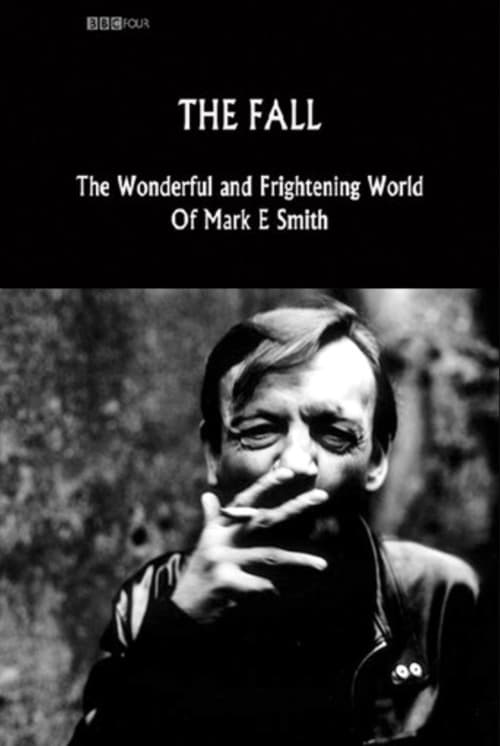
A 1-hour Documentary looking at the Manchester post-punk group and its infamous leader Mark E Smith. The Film follows the current band recording their final Session for the John Peel Show (they were his favourite group and recorded more sessions than any other band) as well as chronicling the chaotic history of the band & its numerous line-up changes.
2009
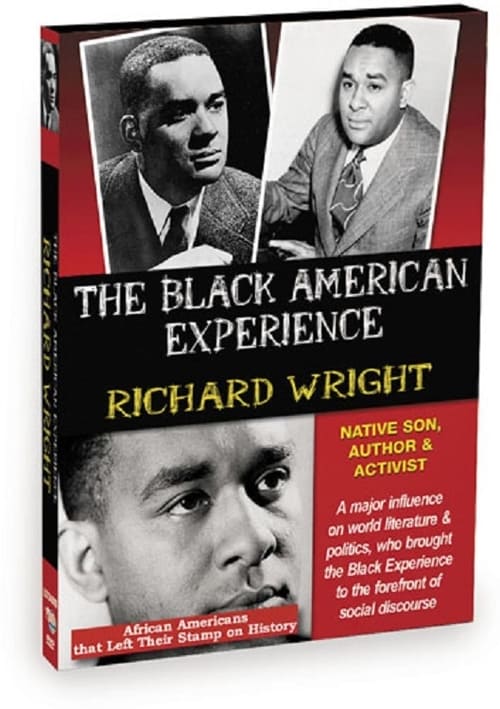
RICHARD WRIGHT was an African-American author of novels, short stories and non-fiction that dealt with powerful themes and controversial topics. Much of his works concerned racial themes that helped redefine discussions of race relations in America in the mid-20th century. Born on a plantation in Mississippi, Wright was a descendent of the first slaves who arrived in Jamestown Massachusetts. This program follows his arduous path from sharecropper to literary giant. Through authors like H.L. Menken, Sinclair Lewis, Theodore Dreiser, he discovered that literature could be used as a catalyst for social change. In 1937 Wright moved to New York and his work began to garner national attention for it's political and social commentary. Much of Wright's writing focused on the African American community and experience; his novel Native Son won him a Guggenheim Fellowship and was adapted to the Broadway stage with Orson Welles directing in 1941.