2015
Jesus 'Chuy' Aceves and a dozen living members of his extended family suffer from the very rare condition of congenital hypertrichosis, meaning they were born with excessive hair on their faces and bodies. Due to their appearance, they suffer from discrimination in all areas of their lives: the children are made fun of at school and abandoned by their 'non-hairy' parents, and the adults cannot find work unless they choose to exhibit themselves as freaks in circuses. This moving and visually arresting documentary is a portrait of Chuy and his family members. It examines their day-to-day lives and their struggle to find love, acceptance and employment.
1971
A scientist explains how the savagery and efficiency of the insect world could result in their taking over the world.
2013
This documentary highlights the evolution of Brazil's Circo Voador venue from homespun artists' performance space to national cultural institution.
1996
A documentary of insect life in meadows and ponds, using incredible close-ups, slow motion, and time-lapse photography. It includes bees collecting nectar, ladybugs eating mites, snails mating, spiders wrapping their catch, a scarab beetle relentlessly pushing its ball of dung uphill, endless lines of caterpillars, an underwater spider creating an air bubble to live in, and a mosquito hatching.
1999
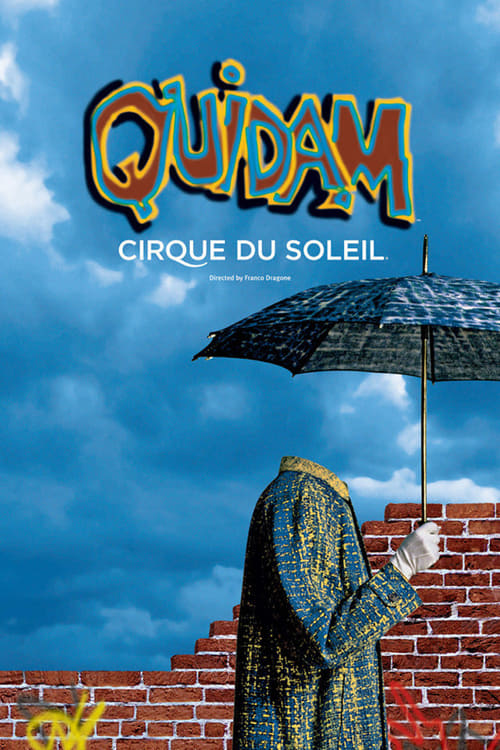
A young girl has already seen everything there is to see and her world has lost all meaning. Her anger shatters her world and she finds herself in the universe of QUIDAM, where she is joined by a playful companion, as well as another mysterious character who attempts to seduce her with the marvelous, the unsettling and the terrifying.
2001
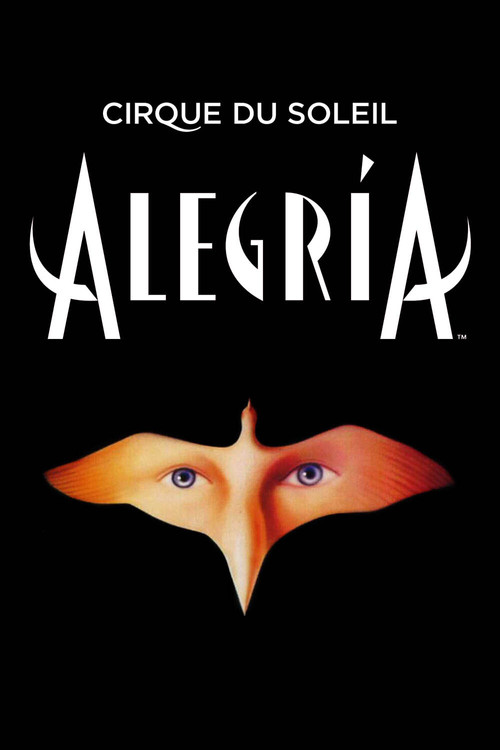
Alegría is a mood, a state of mind. The themes of the show, whose name means "jubilation" in Spanish, are many. Power and the handing down of power over time, the evolution from ancient monarchies to modern democracies, old age, youth - it is against this backdrop that the characters of Alegría play out their lives. Kings' fools, minstrels, beggars, old aristocrats and children make up its universe, along with the clowns, who alone are able to resist the passing of time and the social transformations that accompany it.
1997
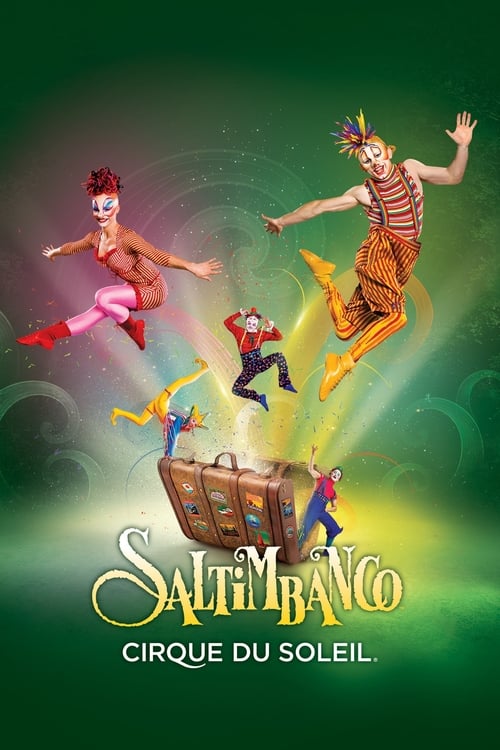
From the Italian 'saltare in banco' – which literally means 'to jump on a bench' – Saltimbanco explores the urban experience in all its myriad forms. Between whirlwind and lull, prowess and poetry, it takes spectators on an allegorical and acrobatic journey into the heart and soul of the modern city.
2006
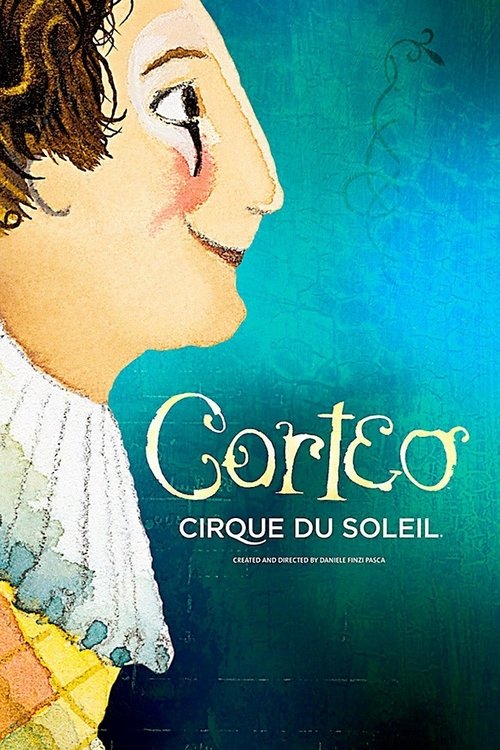
Corteo, which means "cortege" in Italian, is a joyous procession, a festive parade imagined by a clown. The show brings together the passion of the actor with the grace and power of the acrobat to plunge the audience into a theatrical world of fun, comedy and spontaneity situated in a mysterious space between heaven and earth.
2003
Icarus is the main character of Varekai, who falls to the ground, breaking his legs as he does. He is suddenly in a strange, new world full of creatures he has never seen before. Parachuted into the shadows of a magical forest, a kaleidoscopic world populated by fantastical creatures, this young man sets off on an adventure both absurd and extraordinary.
1957
The Moșilor Fair is an exercise by a student director who used his film before he had managed to finalize the originally planned movie. The result is a fascinating experimental montage, without music or sound of any kind, showing details of a legendary fair in the capital.
2007
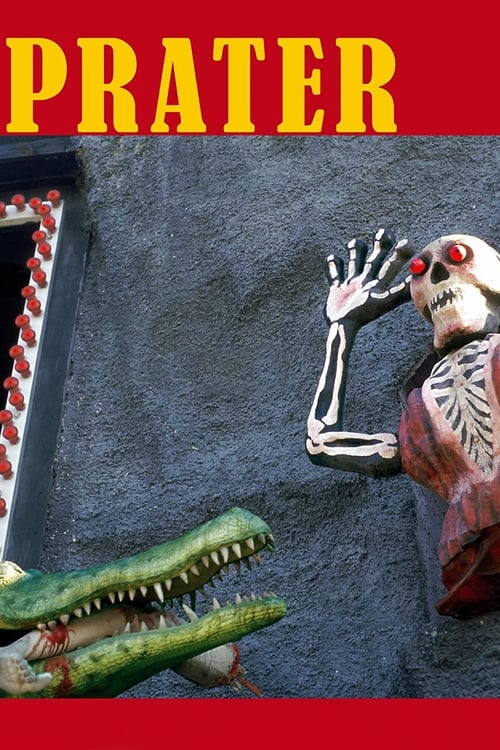
Vienna’s Prater is an amusement park and a desire machine. No mechanical invention, no novel idea or sensational innovation could escape incorporation into the Prater. The diverse story-telling in Ulrike Ottinger’s film “Prater” transforms this place of sensations into a modern cinema of attractions. The Prater’s history from the beginning to the present is told by its protagonists and those who have documented it, including contemporary cinematic images of the Prater, interviews with carnies, commentary by Austrians and visitors from abroad, film quotes, and photographic and written documentary materials. The meaning of the Prater, its status as a place of technological innovation, and its role as a cultural medium are reflected in texts by Elfriede Jelinek, Josef von Sternberg, Erich Kästner and Elias Canetti, as well as in music devoted to this amusement venue throughout the course of its history.
2016
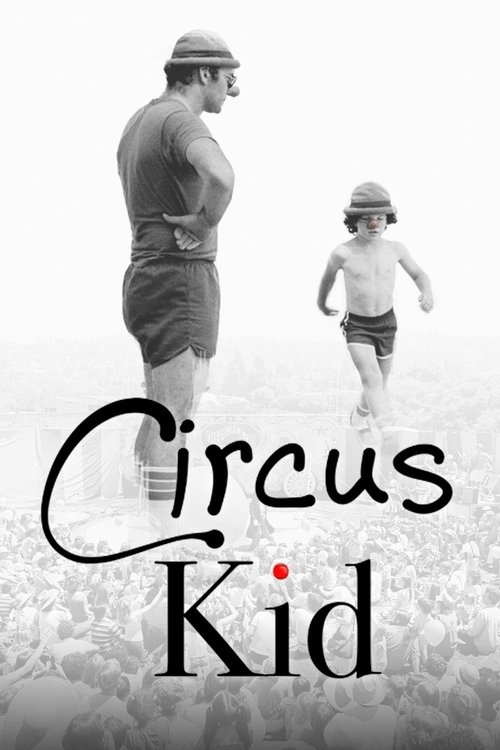
The Pickle Family Circus was founded by Lorenzo Pisoni's parents in 1974. The film documents the spirit, the lunacy, the daring, the danger and the dynamics of growing up in a circus family.