2014
Between the ages of two and three, children already know which gender they belong to. One in 10,000 males and one in 40,000 females feel the opposite gender to the one they were assigned at birth. The first signs of transsexuality can appear very early. The families of all the protagonists in the documentary agree that their children have, almost from the moment they began to speak, expressed with surprising insistence and firmness that they belonged to the sex opposite to that of their genitalia.
2015
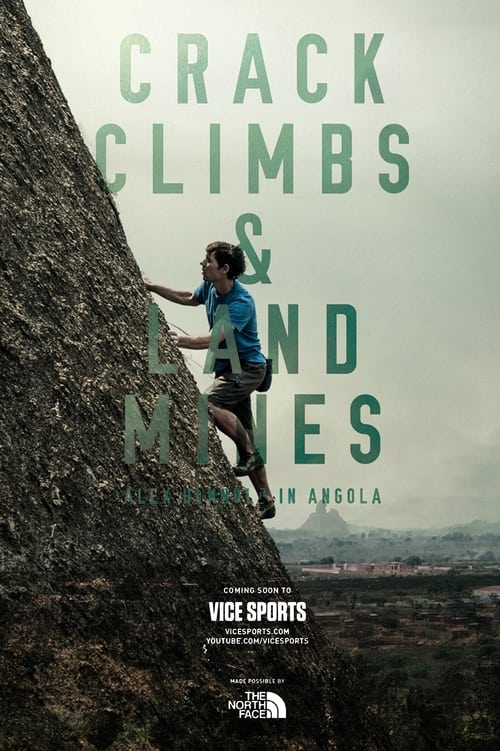
Alex Honnold is the most accomplished free climber in the world. Angola is a southwest African country that recently emerged from 27 years of bloody civil war. What brings together these strange bedfellows you ask? Some of the most epic unclimbed rocks in the world, and a community needing help to diffuse the hidden land mines leftover from the conflict. (Plus a shadowy local hotel magnate, but we'll get into that later). This is Alex Honnold in Angola, for one of the most unique adventures of his storied climbing career this far.
2001
Naval historians discuss in detail the events leading up to the Japanese attack at Pearl Harbor on December 7, 1941.
1962
2009
A exploration of the fanaticism that surrounds the Apple brand, featuring interviews with Mac evangelists and members of the Mac community.
2021
Documentary about the Egyptian club Al-Ahly achieving the title of the African Champions League for the ninth time (2020) after failing to achieve the title since 2013, and the film revolves in several chapters between failure and fear until we reach the title.
2006
The Cell Phone Revolution is a revealing look at the enormous impact this small device has had on the way we live -- and the surprising dead ends and detours it took along the way. From a futuristic dream at the 1939 World's Fair -- the cell phone became a reality some thirty years later.
2013
A documentary about punk and subculture scene of Pula, Croatia from 1978 to 1991, the city that gave birth to one of the most vivid punk and alternative rock scenes in former Yugoslavia, despite having population of just over 60,000 residents.
2008
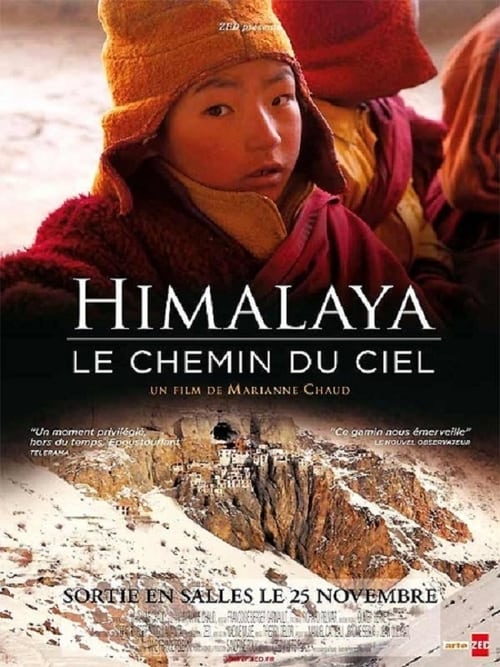
Directed by Marianne Chaud
1994
The carnage in Sarajevo provides the focus of this French documentary which seeks to call attention to the terrible conflict in the hopes of finally ending it. The film is divided into five parts. Each part covers a time frame ranging from April 4, 1992, the beginning of the war, to the present. The major issues that occur are three-fold. It depicts the systematic genocide of Bosnians, the silence of Western countries, and the determination of the Bosnians to resist. They refuse to be seen as victims, even though the filmmakers portray them so. Also included are the origins and political aspects of the war. It offers interviews with participants. It also reveals how the U.S. State Department censored reports about Serbian death camps.
1986
In this daring follow-up to The History of White People in America, comedian Martin Mull takes us on an in-depth look at such topics as White Religion, White Stress, White Politics, and White Crime.