2024
In april of 1975, a moroccan fisherman disappears after being summoned to a Marseille police station. The next day, a young algerian thief is taken away by officers upon his release from prison. They share a lawyer, a young corsican communist who alerts a journalist. They throw themselves into an investigation and discover the existence of a warehouse on the docks where the police have been detaining immigrants before deporting them for over ten years. The discovery became a national scandal, before being suppressed and eventually forgotten.
1975
Ali in Wonderland unveils the condition of immigrant workers in Paris in the 1970s. It is a cry of anger against exploitation and racism, uncompromisingly raising the role of the French state, the media, capitalism, and colonization in this system of domination that crushes those who suffer it. In this experimental essay on the condition of Algerian migrants in Giscard's France in the mid-1970s, every aesthetic choice has a precise and legible political motivation and gives body and voice to a figure completely absent from the experimental cinema of the time: that of the immigrant worker. Abouda is one of the children of immigrants seen in the film, and not a simple activist serving a cause, which is why the emotion of her experimental gesture, which she throws in the viewer's face, springs from a ferocity inscribed in her body, from an insatiable anger that inhabits her gaze.
2006
Fleeing their war-torn homeland, forty thousand Algerians come to Montreal, Quebec in the 1990’s. Many are refused refugee status and are not allowed to study or work normally. Years go by, children are born and Canada becomes home. Then comes 911. Deportations begin.
1986
2023
1993
2000
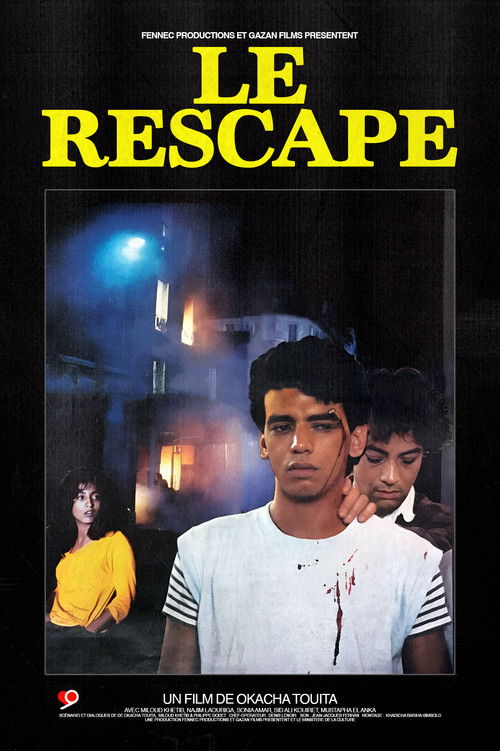
In a working-class immigrant neighborhood slated for demolition, Jo, the son of Ali, known as the Rescuer from the Algerian war, lives idle and delinquent, committing small assaults to pay for his drugs. One day, while attacking Slim's bar, he is arrested by Ben, a young beur cop torn between his roots and the imperatives of his mission to maintain public order. Giving in to the respect and friendship he feels for Ali, Ben agrees to release his son. But alas, far from calming down, Jo drifts deeper into violence, until the inevitable drama.
1970
An unemployed Algerian worker leaves Paris by hitchhiking. He soon found himself in Brittany and, seduced by the beauty of wild gorse, eventually established himself as a gorse merchant. But for problems with parking his little cart, he had a rough explanation with a law enforcement officer. The happy intervention of factory workers, the eager kindness they showed him, saved him from despair. This film is part of a trilogy "Them And Us" with the films "Les 3 Cousins" and "Techniquement Si Simple".
1983
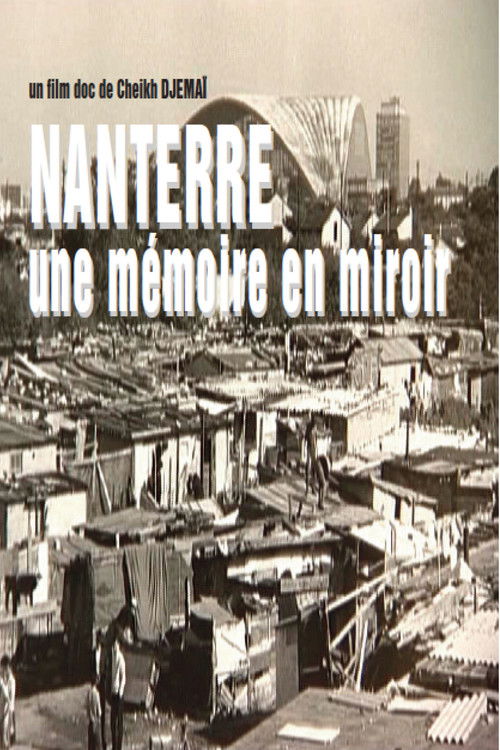
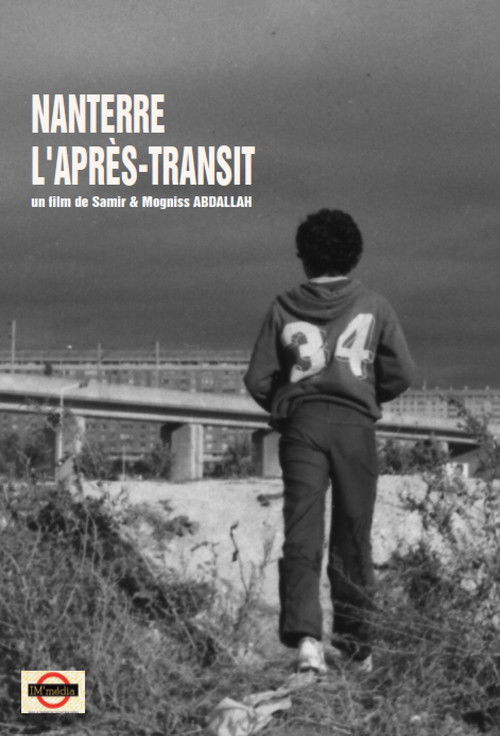
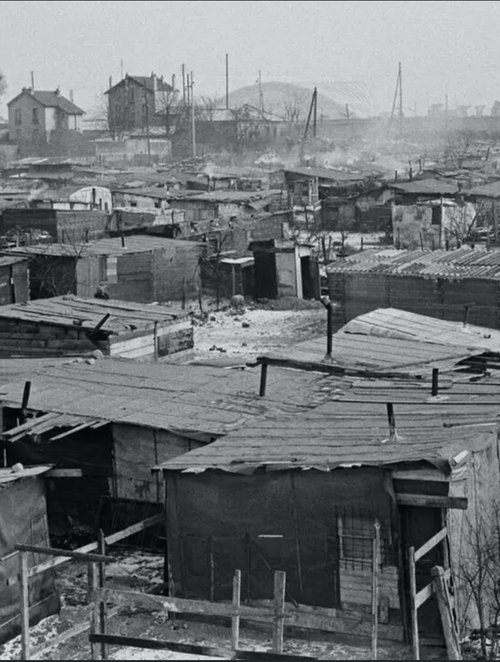
In 1955, a year after the birth of the National Liberation Front (FLN), Mahmoud was expelled from Algeria by the colonial authorities who feared his revolutionary speeches. At the age of 27, he arrived in the Algerian slum of Nanterre. Roughly questioned by FLN activists, in disagreement with the Algerian Nationalist Movement (MNA) who wanted to recognize theirs, he was then accepted as the local hairdresser and shoemaker. Subsequently, he became a driver during anti-MNA expeditions. Accepting increasingly dangerous missions, he is imprisoned by the French police and once again undergoes interrogations and special treatment by the police which will definitively undermine his sanity. One day, he no longer recognized his companions, and when joy broke out among the FLN militants, at the announcement of the signing of the Evian Accords, Mahmoud remained alone, frozen in an attitude of refusal, walled in his madness. Algeria has just won its independence.