1996
Tashkent: The End of an Era reconstructs the complex history of Tashkent by means of archive footage which has never been shown before and the testimonies of its inhabitants.
2015
Chronicles of the cultural life of Tashkent (2007 – 2015). From the murder of Mark Weil to the wedding of Alisher Usmanov. Tashkent Biennale, apartment buildings, video art festival, conversations about nothing, amateur performances and operational shooting, advertising and much more. Tashkent, which no longer exists, just as these people are no longer in it.
2007
Portrait of a typical European feminist - Olga Lipovskaya (1954-2021), journalist, translator, poet, founder of the women's non-profit organization St. Petersburg Center for Gender Issues (an educational and resource center for women and women's organizations), editor of the samizdat magazine Women's Reading.
Having gone to Samarkand in search of traces of colonial culture, of which there were quite a few left there, having carefully photographed them, we suddenly discovered that it was not the dead buildings that were much more interesting, but the living carriers of this very colonial culture. The result is a film about people who live on the ruins of an empire.
2004
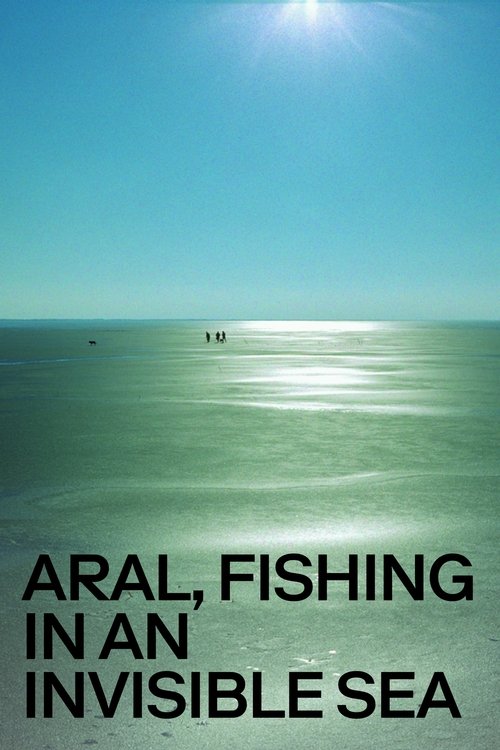
A documentary film about the three remaining generations of fishermen in the Aral Sea-- Their everyday struggle to survive in one of the most dire and inhospitable places on the planet.
The tragic story of the greatest soccer player the most have never heard of.
1974
A biographical film about one of the greatest Medieval scientists and scholars, Al-Biruni.
2024
Documentary highlighting clips and providing historical context to surviving silent films from Uzbekistan.
2009
About Russians living in Fergana, why they are not going to leave and what they see as the meaning of their presence on the land of Turkestan
2025
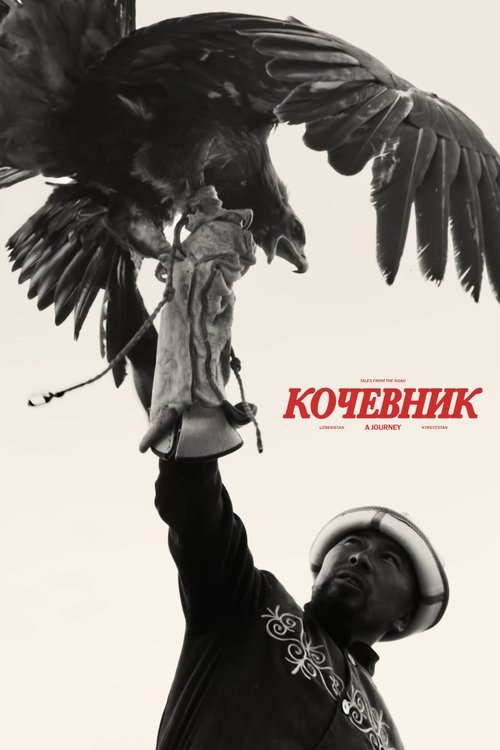
Two friends travel across Uzbekistan and Kyrgyzstan on the search for Eagle Hunters.
1968
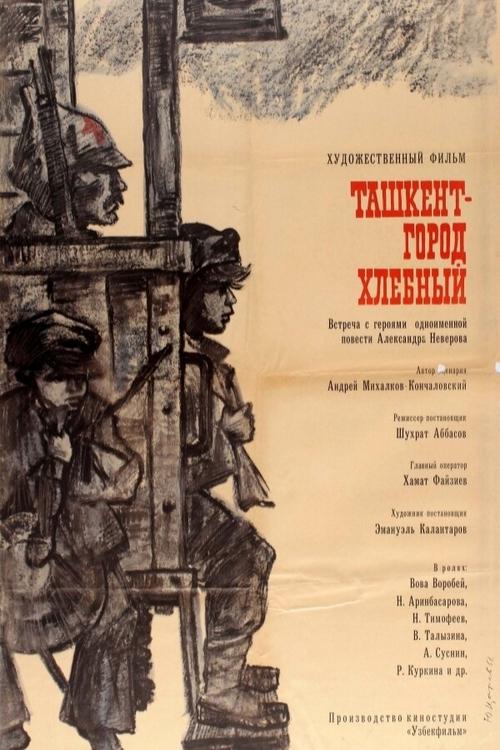
Beautifully shot in black and white, and scripted by Tarkovsky's collaborator Andrei Konchalovsky, this powerful melodrama tells the story of a young boy who undertakes the perilous journey to Uzbekistan's capital Tashkent, to earn some money for his hungry family. Filming in the periphery of the Soviet Union, in a time of relative political relaxation, director Shukhrat Abbasov actually dared to depict the poverty and famine that resulted from the Bolshevik Revolution.
1973
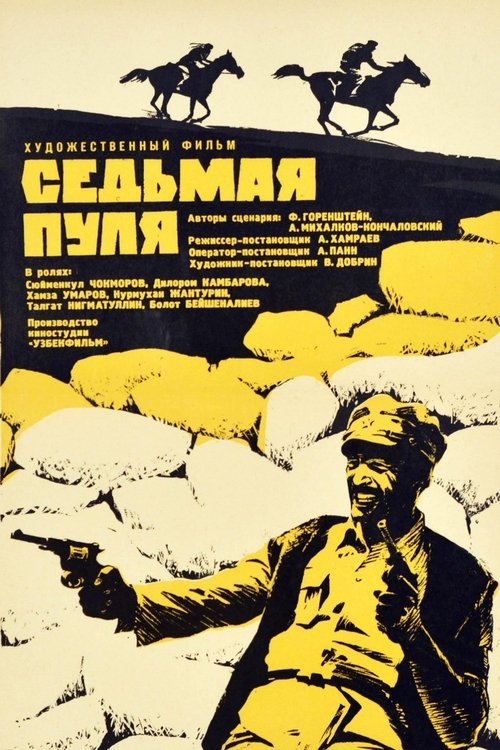
Despite the restoration of Soviet power in the area, Basmachis continue to arrive from across the border, bringing death and destruction to peaceful villages. One of the bands of rebels is led by Khairulla who is pitted against the militsiya (local militia) leader Maxumov. At first it seems hopeless for Maxumov as the rebels capture most of his men, winning them over to his side. He has only one strategy left; to give himself up, and try to explain to the people that Khairulla has deceived them, turning the soldiers back to revolution. Later in pursuit of his enemy, he chases Khairulla across a river. He has only one bullet left -- the seventh, and he must not miss his target!