2022
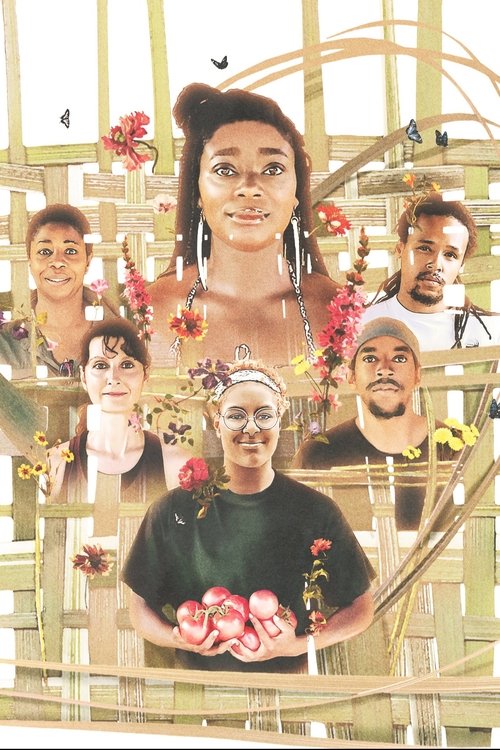
The film follows a group of growers who embrace the restorative power that the soil holds. Skin of the Earth is a story about the relationship between humans, the land, and belonging.
A sea-turtle grew tumors that are believed to be human induced. Experts talk about their relationship with turtles like her and call audiences to action.
2021
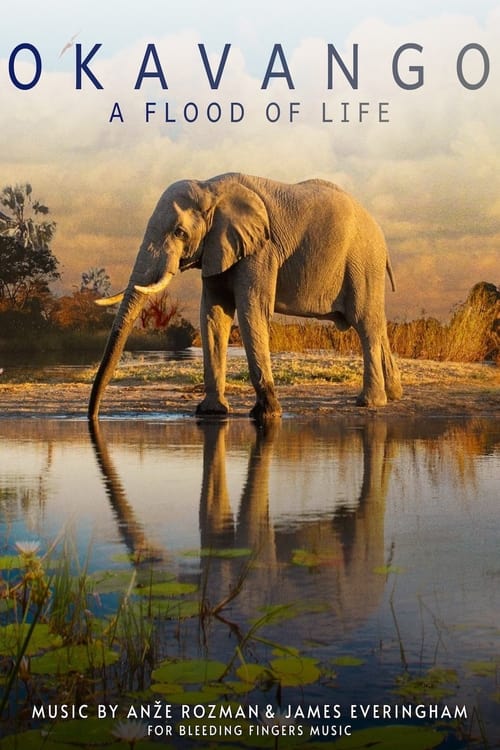
A great flood arrives in a desert kingdom, transforming a dustbowl into a vast and lush wetland, in one of the most diverse habitats on earth. This breath-taking blue-chip natural history film is a journey through Okavango’s seasons, seen through the eyes of an indigenous River Bushman. Our storyteller guides us through the course of Okavango’s flood and into a savage drought, interweaving intimate and spectacular wildlife stories. The arrival and disappearance of precious water determines the destiny of the millions of animals that call Okavango home. For many, the flood is a lifeline. For others, it brings the greatest challenges. Everyone lives or dies by this epic event. It is the heartbeat of the Kalahari.
2020
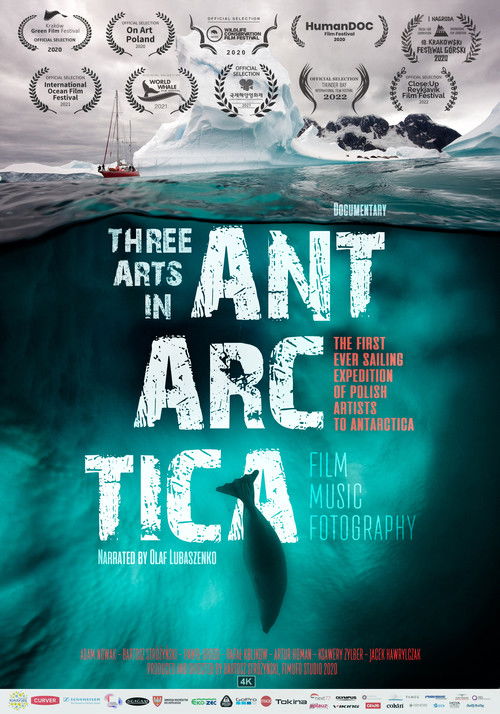
The documentary follows Polish artists on the first sailing expedition to Antarctica, their struggles, the first ever concert by Polish artists there, the first wet plate photography session & rare underwater encounters with leopard seals & other wildlife.
2023
A short documentary where we learn about the endangered lemurs, owls and otters from the Knockhatch Conservation staff.
2024
The short documentary Legends of Great Outdoors Colorado celebrates the visionaries who put Great Outdoors Colorado (GOCO) into motion three decades ago, creating a unique-in-the-nation resource and an enduring legacy of protecting and enhancing Colorado’s wildlife, parks, rivers, trails, and open spaces. In-depth conversations with legendary Coloradans, including GOCO co-founders Roy Romer and Ken Salazar, tell the origin story, and how the mission is possible thanks to passionate partners across the state, the people of Colorado, and GOCO's funding source, the Colorado Lottery. A combination of intimate interviews, archival footage, present-day scenes, and 8-mm film pays homage to Colorado’s outdoor heritage and GOCO’s continued commitment to conservation and recreation.
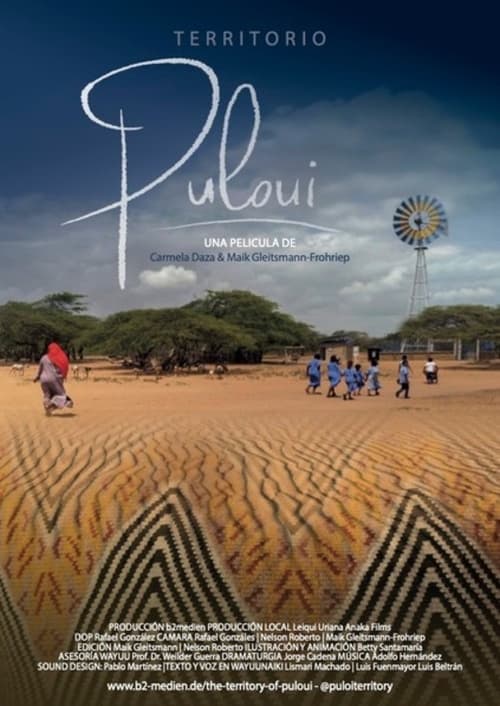
“Territorio Puloui” is a documentary that explores the relationship between the indigenous Wayuu community and water. It tells the journey of Carmela, who visits the La Guajira peninsula for the first time, her father's home region and ancestral territory of the Wayuu people. Carmela listens to the voices of indigenous leaders and sheds light on the environmental impact of coal mining in the region. At the same time, she discovers the strategies used by the women of the community to survive the lack of water. The documentary immerses us in the Wayuu cosmogony through their myths, legends and beliefs, depicted in a series of animations that explore their dream universe.
It has been described as a once in a generation piece of environmental legislation and is key to the government’s commitment to be the first generation to leave the environment in a better state than that in which we found it. The Environment Act passed into law on 9 November 2021 – more than 1,000 days and three Parliaments since its first draft was published in 2018. Its journey was tumultuous, and its fate, at times uncertain. In this documentary, ENDS Report speaks to politicians and environmental policy experts to get the inside story on how this landmark piece of legislation was created – and finds out what the act’s architects think of it now.
2025
The Atlantic Flyway, the easternmost migration path in North America, is among the most vital ecological phenomenons in the world. Join explorer Tomas Koeck as he examines several unlikely relationships along this massive migratory chain.
2019
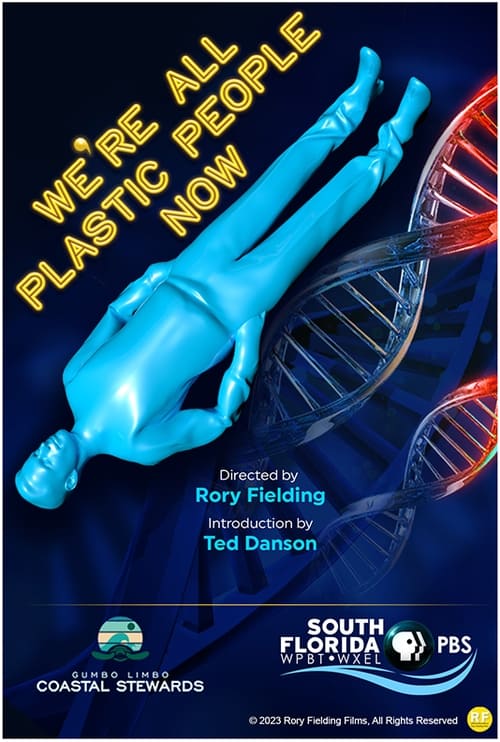
In an era of throw-away ease, convenience has cost us our well-being. Plastics have been found inside our bodies— in our colons, our brains, and even in mothers’ developing wombs. Scientists around the country are sounding the alarm, but without public buy-in, there is little that can be done. How much evidence do we need before we decide to take action?